

High blood pressure rarely has one single cause. It usually develops over many years from a combination of factors — what you eat, how much you move, your weight, your age, and your family history. The main causes include eating too much sodium, not getting enough physical activity, carrying excess weight, and having a family history of hypertension. Some people develop high blood pressure from an underlying medical condition, but for most adults there is no single identifiable cause.
What Is High Blood Pressure?
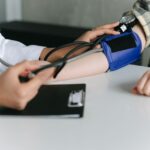
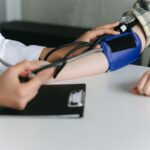
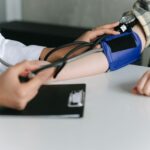
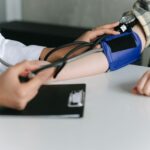
Blood pressure is the force of blood pushing against the walls of your arteries. Each time your heart beats, it pumps blood into your arteries. Your blood pressure is highest when the heart contracts (systolic) and lowest between beats (diastolic). Normal blood pressure is below 120/80 mmHg. High blood pressure, or hypertension, is a reading consistently at or above 130/80 mmHg.
Having high blood pressure forces your heart to work harder. Over time, this extra strain can damage your arteries, heart, brain, and kidneys. Many people have high blood pressure for years without any symptoms. That is why it is often called a “silent killer.”
How Can You Get High Blood Pressure Main Causes?
The most common type of high blood pressure is called primary hypertension. It has no single cause and develops slowly over many years. The main causes are a mix of lifestyle habits and genetic factors. You can get high blood pressure from eating a diet high in salt and low in potassium. A lack of regular physical activity is another major cause. Carrying excess weight, especially around your abdomen, puts extra strain on your heart and blood vessels. Drinking too much alcohol and smoking tobacco also raise your risk. These factors often work together. Someone who has a family history of hypertension, eats a high-sodium diet, and is sedentary has a much higher chance of developing high blood pressure than someone with none of these factors.
Secondary hypertension is less common and has a direct medical cause. It appears suddenly and causes higher blood pressure than primary hypertension. Conditions that can cause secondary hypertension include kidney disease, sleep apnea, thyroid problems, and certain tumors of the adrenal gland. Some medications, including birth control pills and decongestants, can also raise blood pressure.
How Does Diet Contribute to High Blood Pressure?
Diet is one of the most important factors in developing high blood pressure. The amount of sodium you consume directly affects your blood pressure. Sodium makes your body hold onto water. More water in your bloodstream increases the volume of blood, which raises pressure against artery walls. The average American eats more than 3,400 mg of sodium per day. Most health guidelines recommend staying under 2,300 mg, and ideally under 1,500 mg for people with hypertension or at risk.
Not getting enough potassium is another problem. Potassium helps your blood vessels relax and lowers blood pressure. Foods naturally high in potassium include fruits, vegetables, beans, and dairy. A diet high in processed foods, fast food, and sugary drinks provides too much sodium and too little potassium. This combination strongly raises the risk of developing high blood pressure.
Research consistently shows that the DASH diet — Dietary Approaches to Stop Hypertension — can lower blood pressure significantly. This eating pattern focuses on fruits, vegetables, whole grains, lean protein, and low-fat dairy. It limits red meat, sugar, and foods with added salt.

Can Being Overweight or Obese Cause High Blood Pressure?
Yes. Excess body weight is one of the strongest risk factors for high blood pressure. Carrying extra fat, especially around your waist, increases the amount of work your heart has to do. More body tissue requires more blood to deliver oxygen and nutrients. Your heart must pump harder to circulate that blood through more miles of blood vessels. This raises the pressure inside your arteries.
Obesity also affects kidney function and hormone systems that control blood pressure. Fat tissue releases inflammatory substances that can narrow blood vessels and make them less flexible. Losing even 5 to 10 percent of your body weight can lower blood pressure in many people. This amount of weight loss is achievable through modest changes in diet and physical activity.
How Does Physical Inactivity Raise Blood Pressure?
Regular physical activity keeps your heart and blood vessels healthy. When you are inactive, your heart works harder with each beat. Over time, this can lead to a higher resting heart rate and stiffer arteries. Both of these changes push blood pressure upward.
Exercise helps lower blood pressure in multiple ways. It strengthens your heart, so it pumps blood with less effort. It also helps you maintain a healthy weight and reduces stress. Aerobic activities like walking, jogging, swimming, and cycling are especially effective. Current guidelines recommend at least 150 minutes of moderate-intensity exercise per week for adults. Even shorter bouts of activity throughout the day can make a difference.
What Role Do Genetics and Age Play?
You cannot change your genes or your age, but these factors heavily influence your risk. The chance of developing high blood pressure increases as you get older. Blood vessels naturally stiffen and narrow with age, which raises pressure inside them. Men are more likely to develop hypertension before age 60. Women’s risk increases after menopause.
Genetics matter a great deal. If one or both of your parents have high blood pressure, your own risk is higher. Studies of families and twins have found that inherited factors account for roughly 30 to 50 percent of the variation in blood pressure between people. Researchers have identified dozens of genes that affect how the kidneys handle salt, how blood vessels constrict, and how the body regulates fluid balance. These genetic variations do not guarantee you will develop hypertension, but they make you more vulnerable to the effects of an unhealthy lifestyle.
Can Stress Cause Chronic High Blood Pressure?
Stress triggers temporary spikes in blood pressure. When you are stressed, your body releases hormones like adrenaline and cortisol. These hormones make your heart beat faster and narrow your blood vessels. Once the stressful situation passes, your blood pressure usually returns to normal. However, chronic stress may contribute to high blood pressure indirectly. People under ongoing stress may eat poorly, drink more alcohol, smoke more, and exercise less — all of which raise blood pressure.
Reducing stress through relaxation techniques, adequate sleep, and regular exercise can help lower blood pressure. But no strong evidence shows that stress alone causes permanent hypertension. It is one piece of a complex puzzle.
What Medical Conditions and Medications Cause Secondary Hypertension?
Secondary hypertension has a clear underlying cause. This form of high blood pressure often appears suddenly and is more severe. Kidney disease is the most common cause. Diseased kidneys cannot filter fluid and waste properly. This leads to fluid buildup and higher blood pressure. Narrowing of the arteries to the kidneys (renal artery stenosis) can cause a similar effect.
Other medical causes include obstructive sleep apnea, where breathing repeatedly stops and starts during sleep, and thyroid disorders. An overactive thyroid (hyperthyroidism) increases heart rate and cardiac output, raising blood pressure. Certain adrenal gland tumors, like pheochromocytomas, produce excessive amounts of blood-pressure-raising hormones.
Some medications and substances can raise blood pressure or interfere with blood pressure medications. Examples include nonsteroidal anti-inflammatory drugs like ibuprofen, decongestants containing pseudoephedrine, oral contraceptives, steroids, antidepressants, and illegal drugs like cocaine and amphetamines. Blood pressure usually returns to normal when the cause is removed or treated.
How Can You Prevent High Blood Pressure?
Prevention focuses on the lifestyle factors within your control. Reduce your sodium intake by eating fewer processed foods, canned soups, and restaurant meals. Add foods rich in potassium — bananas, spinach, sweet potatoes, oranges, and yogurt. Keep your weight in a healthy range. Aim for at least 30 minutes of moderate physical activity most days. Limit alcohol to no more than one drink per day for women and two for men. If you smoke, seek help to quit.
It is also important to check your blood pressure regularly. Many grocery stores, pharmacies, and workplaces have blood pressure machines. Home monitors are widely available and affordable. Knowing your numbers empowers you to make changes before damage occurs. The earlier you address elevated blood pressure, the easier it is to control.
Frequently Asked Questions
Can high blood pressure be cured?
There is no cure for primary hypertension, but it can be managed effectively with lifestyle changes and, if needed, medication. Many people achieve normal blood pressure with treatment and maintain it long-term.
Is high blood pressure hereditary?
Yes, genetics play a significant role in your risk. If you have a close family member with high blood pressure, you are more likely to develop it yourself.
Does stress cause permanent high blood pressure?
Stress causes temporary spikes, not permanent hypertension. However, chronic stress can lead to behaviors that raise blood pressure, such as poor diet, lack of exercise, and increased alcohol use.
Can losing weight lower blood pressure?
Yes, even modest weight loss of 5 to 10 percent of your body weight can lower blood pressure. Losing weight reduces the amount of work your heart has to do and improves blood vessel function.
