

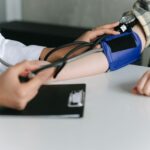
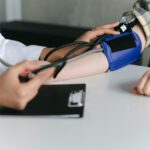
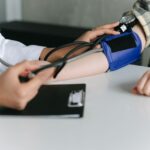
When your doctor takes your blood pressure, you get two numbers. The top number is the systolic pressure. The bottom number is the diastolic pressure. The bottom number measures the pressure in your arteries between heartbeats, when your heart is resting and refilling with blood. It is a direct measure of how much resistance your blood vessels create while your heart relaxes.
What Does The Bottom Number Mean On Your Blood Pressure?
The bottom number, called diastolic pressure, records the force of blood against your artery walls when your heart muscle relaxes. Your heart does not squeeze constantly. It beats, then rests, then beats again. Diastolic pressure captures that resting phase. A normal diastolic reading is below 80 mmHg. A reading of 80 or higher indicates elevated pressure during that rest period.
High diastolic pressure means your arteries are stiff or narrowed. This forces your heart to work harder even between beats. Over time, this constant pressure damages blood vessel walls and increases strain on your heart, brain, and kidneys. Elevated diastolic pressure is a strong predictor of cardiovascular risk, especially in younger adults under 50.
How Do Systolic and Diastolic Pressure Differ?
Systolic pressure is the top number. It measures the force of blood against artery walls when your heart contracts and pushes blood out. Diastolic pressure is the bottom number. It measures the same force but during the pause between beats.
Think of a garden hose. Systolic pressure is the burst of water when you squeeze the nozzle. Diastolic pressure is the steady pressure in the hose when you release it. Both matter, but they tell you different things about your cardiovascular system. Systolic pressure reflects the force of your heart’s pumping action. Diastolic pressure reflects the health and flexibility of your blood vessels.
After age 50, systolic pressure becomes the more important predictor of heart disease risk. Before age 50, diastolic pressure carries more weight. This is why younger people with isolated diastolic hypertension need attention even when their top number looks normal.
What Is a Normal Diastolic Reading?
Blood pressure categories are standardized by clinical guidelines. These ranges apply to adults measured while sitting quietly with proper technique.
| Category | Systolic (Top Number) | Diastolic (Bottom Number) |
|---|---|---|
| Normal | Less than 120 | Less than 80 |
| Elevated | 120–129 | Less than 80 |
| Stage 1 Hypertension | 130–139 | 80–89 |
| Stage 2 Hypertension | 140 or higher | 90 or higher |
| Hypertensive Crisis | Higher than 180 | Higher than 120 |
A diastolic reading below 60 is called diastolic hypotension. This can cause dizziness or fainting, particularly in older adults or people on certain blood pressure medications. If you have no symptoms, a low diastolic number is usually not dangerous. If you feel lightheaded, discuss it with your doctor.


Why Is Diastolic Pressure Important?
Diastolic pressure directly reflects the condition of your arteries. When your heart relaxes, blood should flow through wide, flexible vessels with minimal resistance. If your diastolic pressure stays high, it means your arteries are not relaxing properly. This is often an early sign of vascular stiffness.
High diastolic pressure forces your heart to work harder even when it should be resting. The heart muscle needs that rest period to receive its own blood supply through the coronary arteries. When diastolic pressure is too high, the heart muscle gets less oxygen during its recovery phase. This increases the risk of chest pain and heart attacks.
Research consistently shows that elevated diastolic pressure damages small blood vessels in the kidneys and brain. Over years, this contributes to kidney disease and cognitive decline. Treating diastolic hypertension early can prevent this damage.
What Causes High Diastolic Pressure?
Several factors raise diastolic pressure on their own. The most common causes include:
- High sodium intake, which causes fluid retention and increases blood volume
- Obesity, which adds strain to the entire cardiovascular system
- Sleep apnea, which causes repeated drops in oxygen during sleep
- Chronic stress and elevated cortisol levels
- Excessive alcohol consumption
- Sedentary lifestyle with little regular exercise
- Certain medications including NSAIDs, decongestants, and some antidepressants
Isolated diastolic hypertension is most common in younger adults, particularly men under 45. Some research suggests this pattern often progresses to combined systolic and diastolic hypertension as people age. Early treatment can slow that progression.
How Is Isolated Diastolic Hypertension Treated?
Isolated diastolic hypertension means your top number is normal but your bottom number stays at 80 or above. Doctors typically confirm this with multiple readings over several visits before recommending treatment.
Lifestyle changes are the first step. Reducing sodium to under 2,300 milligrams daily, and ideally under 1,500 milligrams, can lower diastolic pressure. Regular aerobic exercise such as brisk walking for 150 minutes per week has been shown to reduce both numbers. Weight loss of even 5–10 percent of body weight produces measurable improvements.
If lifestyle changes do not bring diastolic pressure below 80 within three to six months, medication may be necessary. Common options include ACE inhibitors, angiotensin receptor blockers, calcium channel blockers, and thiazide diuretics. Your doctor will choose based on your age, other health conditions, and potential side effects.
Some clinicians are more cautious about treating isolated diastolic hypertension in older adults. The evidence is mixed on whether aggressive treatment of high diastolic pressure alone benefits people over 65. For younger patients, the evidence strongly supports treatment to prevent future cardiovascular events.
How Accurate Are Home Blood Pressure Monitors?
Home monitors are accurate when used correctly. The device must have a properly sized cuff. A cuff that is too small produces falsely high readings. A cuff that is too large produces falsely low readings.
For accurate readings, sit quietly for five minutes before measuring. Place your feet flat on the floor. Support your arm at heart level. Do not drink caffeine or exercise within 30 minutes before measuring. Take two readings one minute apart and record both.
Home monitoring is particularly useful for detecting white coat hypertension, where readings are high only in medical settings. It also helps identify masked hypertension, where readings are normal in the clinic but high at home. Both conditions affect about 15–30 percent of people with high blood pressure readings.
When Should You Seek Emergency Care?
A hypertensive crisis occurs when blood pressure rises above 180/120. This requires immediate medical attention. Call emergency services if you have this reading along with chest pain, shortness of breath, back pain, numbness, weakness, vision changes, or difficulty speaking.
If your reading is above 180/120 but you have no symptoms, wait five minutes and recheck. If the reading remains elevated, contact your doctor or go to urgent care. Do not ignore a severely elevated bottom number, even without symptoms. High diastolic pressure at this level can rapidly damage organs.
Can Diastolic Pressure Be Too Low?
Yes. Diastolic pressure below 60 mmHg may reduce blood flow to the heart muscle. This is because the coronary arteries fill during diastole. If the pressure is too low, the heart does not receive enough oxygenated blood.
Low diastolic pressure is most concerning in people taking multiple blood pressure medications. It can also occur with dehydration, blood loss, or certain heart conditions. Symptoms include dizziness, fatigue, and fainting. If you have these symptoms, your doctor may adjust your medication doses. Do not stop taking blood pressure medication on your own. Sudden withdrawal can cause dangerous blood pressure spikes.
Frequently Asked Questions
Is the bottom number more important than the top number?
Both numbers matter, but their importance shifts with age. Diastolic pressure is a stronger risk predictor in people under 50, while systolic pressure becomes more important after age 50.
Can I lower my diastolic blood pressure naturally?
Yes. Reducing sodium intake, exercising regularly, losing excess weight, limiting alcohol, and managing stress can all lower diastolic pressure. These changes typically take several weeks to produce measurable results.
What does a diastolic reading of 90 mean?
A diastolic reading of 90 qualifies as Stage 2 hypertension. This means your arteries are under significant pressure during rest, and you should see a doctor for a full evaluation and treatment plan.
Why is my bottom number high but top number normal?
This condition is called isolated diastolic hypertension. It is most common in younger adults and often relates to excess weight, high sodium intake, stress, or sleep apnea. It still requires treatment because it raises your risk of heart disease.
