
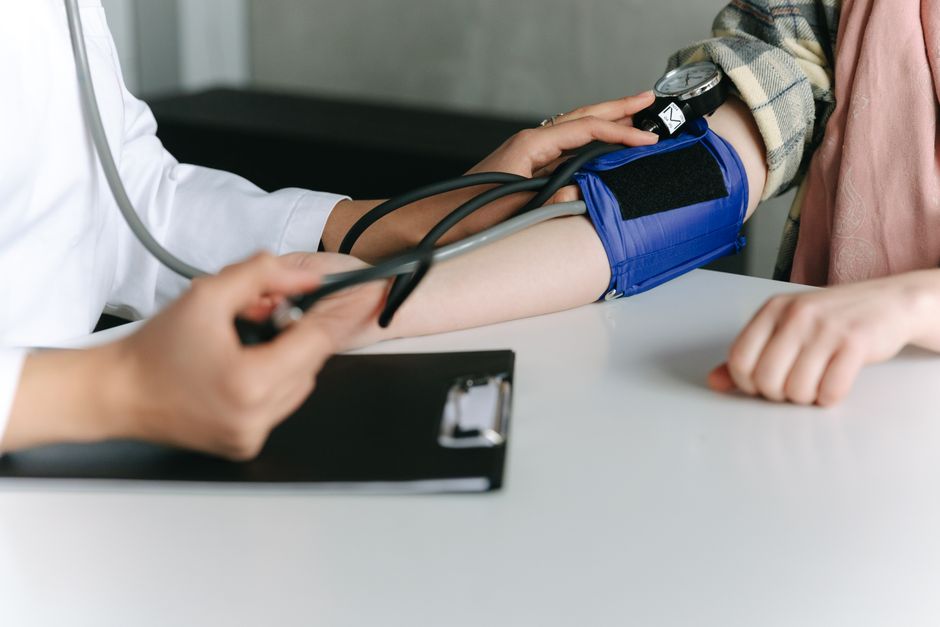
Blood pressure readings look like two numbers, such as 120/80. The top number is your systolic pressure, and the bottom number is your diastolic pressure. These numbers measure the force of blood pushing against your artery walls, and they tell your doctor how hard your heart is working to pump blood through your body.
What Do The Numbers In Blood Pressure Mean
The two numbers in a blood pressure reading measure different moments of your heartbeat. The first number, called systolic pressure, measures the force when your heart contracts and pushes blood out. The second number, called diastolic pressure, measures the force when your heart relaxes between beats.
Both numbers matter for your health. A reading of 120/80 means your systolic pressure is 120 mmHg and your diastolic pressure is 80 mmHg. The unit mmHg stands for millimeters of mercury, the standard way blood pressure has been measured for over a century.
High blood pressure, also called hypertension, damages your arteries over time. The extra force wears down the smooth inner lining of your blood vessels. This damage can lead to heart attack, stroke, kidney disease, and vision loss. Understanding your numbers helps you catch problems early, when they are easiest to manage.
What Is A Normal Blood Pressure Reading?
Blood pressure categories are based on established clinical guidelines. A normal reading is below 120/80 mmHg. Here is how the categories break down:
- Normal: Systolic below 120 and diastolic below 80
- Elevated: Systolic 120-129 and diastolic below 80
- Stage 1 hypertension: Systolic 130-139 or diastolic 80-89
- Stage 2 hypertension: Systolic 140 or higher or diastolic 90 or higher
- Hypertensive crisis: Systolic above 180 or diastolic above 120
These categories come from the American College of Cardiology and the American Heart Association guidelines. They apply to most adults. Your doctor may adjust targets based on your age, existing health conditions, or medications you take.
One number being high is enough to move you into a higher category. For example, a reading of 132/75 is Stage 1 hypertension because the systolic number is above 130, even though the diastolic number is normal.
Why Does Systolic Pressure Matter More As You Age?
After age 50, systolic pressure becomes the more important predictor of heart disease risk. This is because blood vessels naturally stiffen with age. When arteries lose their flexibility, the pressure inside them rises when the heart pumps.
Diastolic pressure tends to rise until about age 55, then it often levels off or even drops. Many older adults have isolated systolic hypertension, meaning only the top number is high. This condition still requires treatment because it increases stroke and heart attack risk.
Your arteries are not rigid pipes. They are elastic tubes that expand with each heartbeat. Younger arteries bounce back easily. Older arteries lose some of that bounce, which is why systolic pressure becomes the key number to watch as you age.
How Do Doctors Measure Blood Pressure?
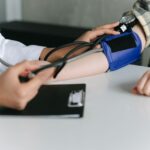
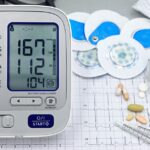
Blood pressure is measured with a cuff placed around your upper arm. The cuff inflates to stop blood flow, then slowly deflates. The doctor or nurse listens with a stethoscope or uses a digital sensor to detect when blood starts flowing again.
For an accurate reading, you should sit quietly for at least five minutes beforehand. Your feet should be flat on the floor, and your arm should rest at heart level. Caffeine, exercise, and smoking can raise your reading for up to 30 minutes afterward.
A single high reading does not mean you have hypertension. Blood pressure naturally changes throughout the day. It dips during sleep and rises in the morning. Stress, pain, and even a full bladder can push numbers up temporarily. Doctors usually confirm a diagnosis with readings taken on multiple occasions.
Home monitoring can provide a clearer picture of your typical blood pressure. Many doctors recommend checking at home because office visits can cause anxiety that raises readings. This effect is real enough that it has a name: white coat hypertension.
What Are The Risks Of High Blood Pressure?
High blood pressure rarely causes symptoms, which is why it is called the silent killer. Most people feel completely fine while their blood pressure damages their organs. By the time symptoms appear, significant damage may already be done.
The damage happens slowly over years. Constant high pressure strains the heart muscle, making it work harder than it should. The heart can enlarge, weakening its pumping ability over time. This can lead to heart failure.
High pressure also damages the delicate blood vessels in your brain, increasing stroke risk. It damages the filtering units in your kidneys, which can progress to kidney failure. The eyes have tiny blood vessels that are especially vulnerable, and untreated hypertension can cause vision loss.
Lowering blood pressure reduces these risks. Research consistently shows that even modest reductions in blood pressure significantly lower the risk of stroke, heart attack, and heart failure. The benefits appear regardless of age, though they are most dramatic in people with higher starting pressures.
How Can You Lower Your Blood Pressure?
Lifestyle changes are the first line of defense for elevated blood pressure and Stage 1 hypertension. These changes can also help people taking medication reduce their doses. The most effective approaches are well supported by clinical evidence.
Dietary changes: The DASH diet, which stands for Dietary Approaches to Stop Hypertension, has strong evidence behind it. This eating pattern emphasizes fruits, vegetables, whole grains, and low-fat dairy while limiting sodium, saturated fat, and added sugars. Reducing sodium to about 2,300 mg per day lowers blood pressure, and cutting further to 1,500 mg has an even greater effect.
Physical activity: Regular aerobic exercise such as brisk walking, swimming, or cycling lowers blood pressure. The effect is meaningful, typically reducing systolic pressure by several points. Aim for at least 150 minutes of moderate activity per week.
Weight management: Carrying excess weight increases blood pressure. Losing even a modest amount of weight can lower your numbers. Some evidence suggests that each kilogram of weight lost corresponds with about 1 mmHg reduction in blood pressure.
Alcohol and tobacco: Heavy alcohol use raises blood pressure. Limiting intake to no more than one drink per day for women and two for men is the recommended cap. Smoking causes an immediate spike in blood pressure and damages arteries over time.
Medication becomes necessary when lifestyle changes are not enough. Many effective drug classes exist, including diuretics, ACE inhibitors, and calcium channel blockers. Your doctor will choose based on your age, other health conditions, and how high your blood pressure is.
When Should You Seek Emergency Care?
A reading above 180/120 mmHg is a hypertensive crisis. This is a medical emergency, even if you feel fine. You should contact your doctor immediately or go to an emergency room.
Seek emergency care right away if high blood pressure comes with symptoms such as chest pain, shortness of breath, severe headache, vision changes, or difficulty speaking. These symptoms can signal that the high pressure is causing organ damage, a condition called hypertensive emergency.
Do not try to lower a dangerously high reading on your own by taking extra medication. This can cause blood pressure to drop too quickly, which carries its own risks. Medical professionals need to lower it in a controlled way.
Can Low Blood Pressure Be A Problem?
Low blood pressure, called hypotension, gets less attention than high blood pressure but can still cause problems. A reading below 90/60 mmHg is considered low. For many people, this is normal and causes no issues.
Low blood pressure becomes a concern when it causes symptoms. Dizziness, lightheadedness, fainting, and blurred vision can result from blood pressure too low to deliver enough blood to the brain. These symptoms are most common when standing up quickly, a condition called orthostatic hypotension.
Dehydration, certain medications, and some medical conditions can cause low blood pressure. If you experience symptoms, talk to your doctor. They can identify the cause and adjust medications if needed.
Frequently Asked Questions
What does systolic blood pressure mean?
Systolic pressure is the top number and measures the force in your arteries when your heart beats and pumps blood out. It is the more important number for predicting heart disease risk after age 50.
What does diastolic blood pressure mean?
Diastolic pressure is the bottom number and measures the force in your arteries when your heart rests between beats. It shows how well your blood vessels handle pressure when your heart is not actively pumping.
Is 130 over 80 high blood pressure?
Yes, 130/80 mmHg meets the definition of Stage 1 hypertension. A systolic of 130 or higher, or a diastolic of 80 or higher, places you in this category.
How often should I check my blood pressure at home?
If you have high blood pressure, checking twice daily at the same times each day is common practice. Your doctor can give you a schedule based on your specific situation.
