
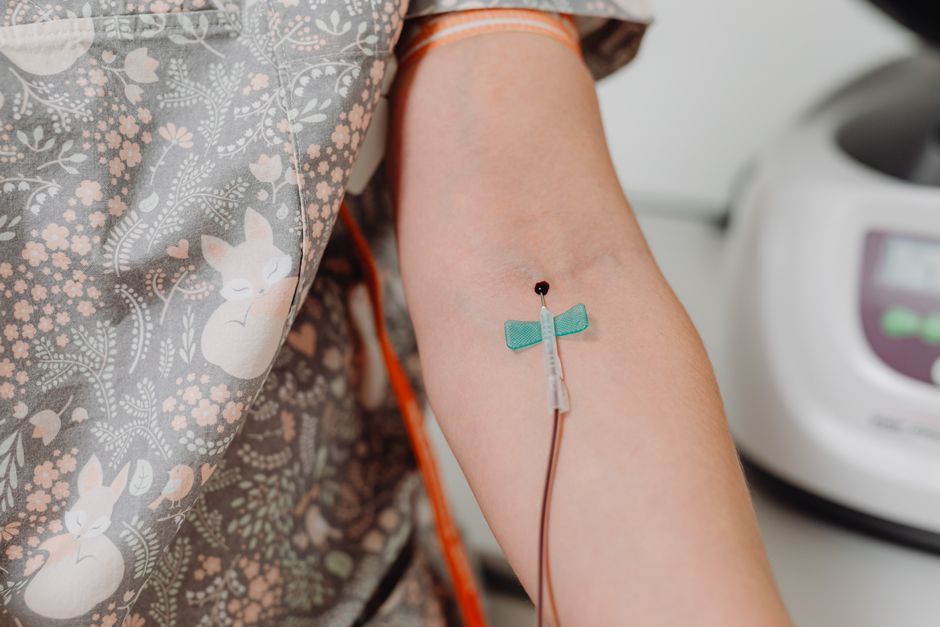
The rarest of the eight main blood types is AB negative (AB-), found in about 1% of the global population. The most common is O positive (O+), which roughly 38% of people have. Blood type rarity is not random; it is shaped by genetics, geography, and inherited patterns that stretch back thousands of years.
What Determines Blood Type Rarity?
Your blood type comes from two systems working together: the ABO system and the Rh factor. The ABO system decides if you are A, B, AB, or O. The Rh factor decides if you are positive or negative. When you combine these, you get eight possible types: A+, A-, B+, B-, AB+, AB-, O+, and O-.
Rarity depends on how common each combination is in the population. In the United States, the distribution is fairly consistent. O positive is the most common at about 38%. A positive follows at around 34%. B positive sits at about 9%. AB positive is roughly 3%. The negative types are all less common. O negative is about 7%, A negative is 6%, B negative is 2%, and AB negative is the rarest at 1%.
These percentages shift slightly depending on the region and ethnic background. For example, blood type B is more common in Asian populations than in European ones. In some parts of the world, O negative is far rarer than it is in the United States. The global averages mask a lot of local variation.
Why Is AB Negative So Rare?
AB negative is rare because it requires two specific genetic conditions to line up. First, you must inherit the A allele from one parent and the B allele from the other. That combination produces type AB blood. Second, you must inherit the Rh-negative allele from both parents.
The Rh-negative trait is recessive. That means both parents must pass it on for you to be Rh negative. If even one parent gives you the Rh-positive allele, you will be Rh positive. Because the Rh-negative gene is less common overall, fewer people end up with negative blood types.
The AB combination is also uncommon on its own. Type A and type B are both more frequent individually. Getting one of each from your parents is less likely than getting two of the same. When you multiply the odds of being AB with the odds of being Rh negative, you get a very small number. That is why AB negative sits at the bottom of the rarity list.
What About Rh-Null Blood?
There is a blood type even rarer than AB negative, but it is not one of the standard eight. It is called Rh-null. People with Rh-null blood lack all Rh antigens on their red blood cells. This is so rare that fewer than 50 known cases have been documented worldwide.
Rh-null is sometimes called golden blood because of its extreme rarity and its value to medicine. It can be given to anyone with a rare blood type who cannot find a match elsewhere. But the people who have it face serious challenges. If they ever need blood themselves, they can only receive Rh-null from another Rh-null donor. That is a very short list of potential donors.
Because Rh-null is so rare, it is not included in standard blood type statistics. When people ask what the rarest blood type is, they are almost always asking about the eight standard types. The answer to that question is AB negative.





How Blood Type Rarity Affects Donation
Rare blood types create real problems for blood banks. When a patient with AB negative needs blood, the hospital cannot simply grab any unit off the shelf. The patient needs AB negative or, in some cases, AB positive if the Rh factor is not an immediate concern. Blood banks must maintain a supply of every type, but the rarest ones are the hardest to keep stocked.
Blood donation rules add another layer. Your blood type determines who can receive your blood. Type O negative is the universal donor, meaning anyone can receive it. Type AB positive is the universal recipient, meaning someone with AB positive can receive any type. AB negative sits in a narrower position. It can donate to AB negative and AB positive recipients only.
This is why blood banks constantly ask for O negative donors. O negative is the most useful blood in emergencies because it can go to anyone. AB negative is not as flexible, but it is still critical for the small number of patients who need it. If you have a rare blood type, your donations matter more than you might think.
What Blood Group Is The Rarest by Ethnicity?
Rarity is not the same everywhere. The percentages change when you look at specific populations. In the United States, AB negative is about 1% overall, but that number varies by ethnic group.
Among White Americans, AB negative is roughly 1%. Among Asian Americans, it is slightly less common. Among Black Americans, it is also around 1%. Among Hispanic Americans, the percentage is closer to 0.5%. These are small differences, but they matter for blood banks serving those communities.
Blood type B is more common in Asian populations than in European ones. In some parts of Asia, type B is nearly as common as type O. In Europe, type A dominates. These regional patterns are the result of thousands of years of population movement and genetic drift. They also explain why a blood type that is rare in one country may be common in another.
Can Your Blood Type Change?
Your blood type is fixed at birth and does not change during your lifetime. It is determined by the genes you inherited from your parents. No diet, exercise, or medical procedure can alter it.
There are two rare exceptions. A bone marrow transplant can change your blood type because the new marrow produces blood cells with the donor’s blood type. This is a permanent change that happens after the transplant. Some cancers can also temporarily alter blood type markers, but this is extremely rare and usually reverses with treatment.
Outside of those exceptions, your blood type stays the same from the day you are born until the day you die. Knowing your type is useful for medical records, pregnancy planning, and blood donation. If you have never been tested, a simple blood test at your doctor’s office or a blood donation center can tell you.
Why Blood Type Matters for Pregnancy
Blood type matters beyond transfusions. It also affects pregnancy, specifically the Rh factor. If an Rh-negative mother carries an Rh-positive baby, her immune system may see the baby’s blood as foreign and create antibodies against it.
This is called Rh incompatibility. It usually does not harm the first pregnancy because the mother’s immune system takes time to build antibodies. But in a second pregnancy with another Rh-positive baby, those antibodies can cross the placenta and attack the baby’s red blood cells. This can cause serious complications, including anemia and jaundice in the newborn.
The condition is preventable. Pregnant women are routinely tested for their Rh status. If an Rh-negative mother is carrying an Rh-positive baby, she receives an injection of Rh immunoglobulin around the 28th week of pregnancy and again after birth. This injection stops her immune system from making antibodies. It is one of the most effective preventive treatments in modern obstetrics.
How to Find Out Your Blood Type
If you do not know your blood type, there are several ways to find out. The most reliable method is a blood test at a medical laboratory. Your doctor can order one, and the results are definitive.
Blood donation centers also tell you your type after your first donation. This is free and takes only a few minutes of extra time. Some at-home test kits are available, but they are not as accurate as laboratory testing. If your blood type matters for a medical decision, use a lab test, not a home kit.
Knowing your blood type is useful but not urgent for most people. It becomes critical during surgery, after a serious injury, or during pregnancy. If you have never been tested and you are planning to donate blood, that is a good place to start.
Frequently Asked Questions
What is the rarest blood type in the world?
AB negative is the rarest of the eight standard blood types, found in about 1% of the global population. The even rarer Rh-null type exists but is not counted among the standard eight.
Is O negative rare?
O negative is not rare. It is found in about 7% of the U.S. population. It is highly valued because it is the universal donor type.
Can two parents with the same blood type have a child with a different blood type?
Yes, this is possible. A child inherits one blood type gene from each parent, and some combinations produce a type that neither parent has.
Which blood type is the most common?
O positive is the most common blood type worldwide, found in about 38% of the U.S. population. It is followed by A positive at roughly 34%.
