
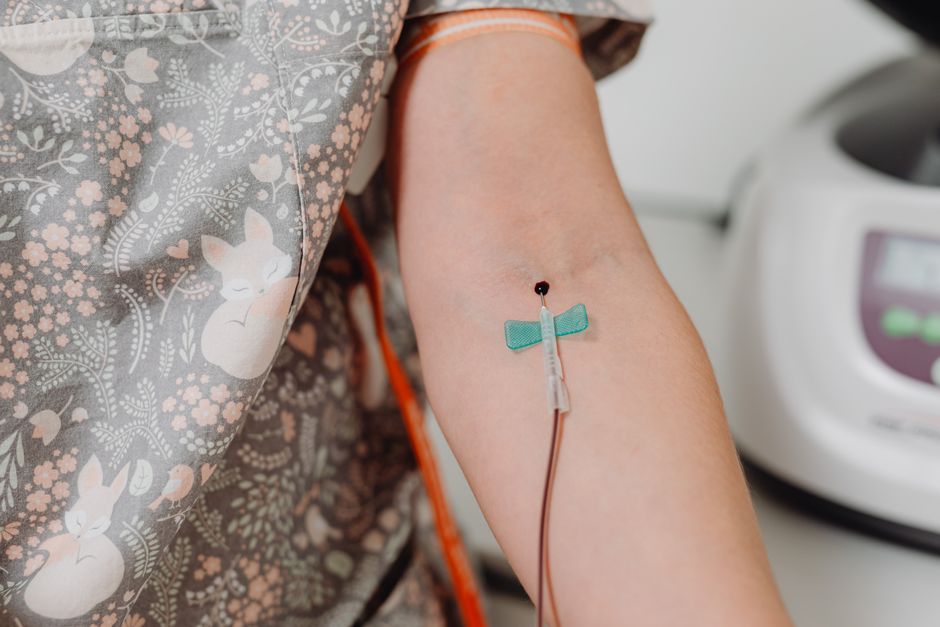
The rarest blood group is Rh-null, sometimes called “golden blood.” Fewer than 50 people worldwide are known to have it. This article explains what makes blood types rare, how blood group systems work, and what it means if you or someone you know has an uncommon type.
What Makes a Blood Group Rare?
Your blood type depends on antigens. Antigens are proteins and sugars on the surface of your red blood cells. Think of them as identification tags. Your immune system uses them to recognize which cells belong to your body.
Most people know the ABO system and the Rh factor. You are A, B, AB, or O, and you are either Rh positive or Rh negative. That gives eight common combinations. But there are actually hundreds of blood group antigens. The International Society of Blood Transfusion recognizes 45 blood group systems with over 360 antigens.
A blood type is considered rare when it occurs in fewer than 1 in 1,000 people. A very rare type occurs in fewer than 1 in 50,000. Rh-null is far rarer than that.
Which Rarest Blood Group Exists?
The rarest blood group is Rh-null. This means the blood lacks all 61 possible Rh antigens. There is no Rh protein at all on the red blood cells.
Only about 43 people worldwide have been identified with Rh-null blood. That is why it is called golden blood. It is so valuable because almost anyone can receive it in an emergency. Rh-null blood can be given to people with any Rh type without causing a reaction.
However, having Rh-null is not a benefit to the person who carries it. If they need a transfusion, they can only receive Rh-null blood from another Rh-null donor. Their immune system would attack any blood that has Rh antigens.
Other Extremely Rare Blood Types
Rh-null is the rarest overall, but other types are also extremely uncommon.
Some rare types are more common in certain populations. For example, the Bombay phenotype, also called hh, is more common in India, Iran, and parts of Southeast Asia. People with Bombay blood lack the H antigen, which is the building block for A and B antigens. Their blood appears to be type O, but they cannot receive regular O blood because their body will reject it.
Other rare types include:
- Duffy-null blood — common in people of African descent. It provides natural resistance to one type of malaria.
- Kell-null blood — extremely rare, with only a few documented cases.
- Lutheran-null blood — also very rare.
Each of these lacks a specific antigen. The clinical significance depends on which antigen is missing and whether the person has developed antibodies.





How Do You Know If You Have a Rare Blood Type?
You cannot tell from a standard blood test. Routine blood typing only checks for A, B, and Rh antigens. Rare types require specialized testing.
Blood banks and hospitals can perform extended antigen typing. This test looks for additional antigens beyond the standard ones. It is usually done if you need frequent transfusions, if you are pregnant and have developed antibodies, or if you have a condition that requires ongoing blood support.
If you have a rare blood type, you may be asked to join a rare donor registry. These registries help hospitals find compatible blood quickly for people with rare types. The American Rare Donor Program and the International Society of Blood Transfusion maintain such lists.
Most people never learn they have a rare type unless they are tested for a specific reason. There is no routine screening for rare blood types in the general population.
What Are the Risks of Having a Rare Blood Type?
The main risk is transfusion compatibility. If you have a rare type, finding compatible blood in an emergency can be difficult. Delays in finding matching blood can be dangerous.
For Rh-null individuals, the risk is highest. They can only receive Rh-null blood. There is no alternative. That is why people with Rh-null are encouraged to donate blood regularly, so their own blood is available if they ever need it.
For other rare types, the risk depends on the specific antigen. Some missing antigens rarely cause problems. Others can trigger severe immune reactions if incompatible blood is given.
Pregnancy can also be affected. If a mother has a rare blood type and the father has a common type, the baby may inherit the father’s antigens. The mother’s immune system may see those antigens as foreign and produce antibodies against them. This can cause hemolytic disease of the newborn, a condition where the baby’s red blood cells are destroyed.
This is manageable with proper prenatal care. Doctors monitor antibody levels and can treat affected babies.
Why Is Rh-Null Called Golden Blood?
The name comes from its value to medicine, not its color. Rh-null blood is the universal blood for anyone with Rh antibodies. It can be transfused into almost any patient who has developed antibodies against Rh antigens.
For people with Rh-null blood, the value is personal. Their own blood is their only safe transfusion option. Blood banks work to keep stores of frozen Rh-null units available.
Rh-null blood can be frozen and stored for up to 10 years. This allows blood banks to maintain a supply. But the supply is limited because so few people can donate it.
There is a genetic reason Rh-null occurs. It usually results from inheriting two rare recessive genes, one from each parent. The parents may have no idea they carry the genes because their own blood appears normal.
Can You Donate Blood If You Have a Rare Type?
Yes. In fact, people with rare blood types are strongly encouraged to donate. Their blood is uniquely valuable.
If you know you have a rare type, contact your local blood bank. They can help you arrange donations that will be stored or shipped to patients who need them. Many rare donors donate regularly and are contacted directly when their type is needed.
Donating is safe for the donor. The same rules apply as for any blood donation. You must meet general health requirements, be at least 16 or 17 depending on your state, and weigh at least 110 pounds.
If you do not know your blood type, donating blood is one way to find out. Standard donation includes ABO and Rh typing. If your blood shows an unusual pattern, the blood bank will do further testing.
What Should You Do If You Suspect a Rare Blood Type?
Talk to your doctor. They can order extended blood typing if there is a medical reason to do so.
There is no home test for rare blood types. At-home kits can tell you your ABO and Rh type, but they do not test for the hundreds of other antigens.
If you are scheduled for surgery, planning ahead helps. Your medical team can order blood in advance if you have a rare type. This avoids an emergency search during the procedure.
If you are pregnant and have a rare type, your obstetrician should coordinate with a maternal-fetal medicine specialist. They can monitor for antibody development and plan for a safe delivery.
Knowing your blood type is useful for everyone. Knowing you have a rare type is even more important because it affects emergency planning.
Frequently Asked Questions
What is the rarest blood group in the world?
Rh-null is the rarest blood group, with fewer than 50 documented cases worldwide. It lacks all Rh antigens on the red blood cells.
How rare is Rh-null blood?
Rh-null is found in fewer than 1 in 6 million people. Only about 43 cases have been identified globally.
Can someone with Rh-null blood receive any blood type?
No. People with Rh-null can only receive Rh-null blood. Their immune system will attack any blood that contains Rh antigens.
Is the Bombay blood type the same as Rh-null?
No. Bombay phenotype, or hh, lacks the H antigen and appears as type O. Rh-null lacks all Rh antigens. They are different conditions with different transfusion needs.
