

Good blood circulation means your heart efficiently delivers oxygen and nutrients to every part of your body. The two most effective ways to improve it are consistent aerobic exercise and a diet rich in nitrates, omega-3s, and antioxidants. Walking briskly for 30 minutes most days and eating more leafy greens and beets can meaningfully improve circulation within a few weeks.
How Does Exercise Actually Improve Blood Circulation?
When you exercise, your muscles need more oxygen. Your heart responds by pumping more blood. Over time, this repeated demand makes your heart stronger and more efficient.
Exercise also stimulates the growth of new tiny blood vessels, a process called angiogenesis. This creates more routes for blood to travel, which is especially helpful for people with conditions like peripheral artery disease.
Another key effect is that exercise improves the flexibility of your blood vessel walls. Stiff arteries make it harder for blood to flow. Physical activity helps keep them elastic. Research published in the Journal of the American Heart Association found that regular aerobic exercise significantly improves arterial stiffness in middle-aged and older adults.
The kind of exercise matters. Aerobic activities like walking, cycling, swimming, and jogging produce the most consistent circulation benefits. Resistance training helps too, but the evidence is strongest for steady, moderate-intensity cardio.
What Foods Help Blood Flow Best?
Certain foods have a direct, measurable effect on blood vessel function. The most well-studied are those rich in dietary nitrates.
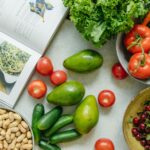
Beets are the standout example. Beetroot juice has been shown in multiple studies to lower blood pressure and improve blood flow within hours of consumption. The nitrates in beets convert to nitric oxide in your body, which relaxes and widens blood vessels.
Other foods with strong evidence include:
- Leafy greens like spinach, kale, and arugula — also high in nitrates
- Fatty fish like salmon, mackerel, and sardines — rich in omega-3 fatty acids that reduce inflammation and improve vessel function
- Pomegranates — studies show they increase nitric oxide production and reduce arterial plaque
- Dark chocolate (70% cocoa or higher) — contains flavanols that boost nitric oxide and lower blood pressure
- Garlic — aged garlic extract has been shown to reduce arterial stiffness in clinical trials
These foods work by either increasing nitric oxide availability or reducing inflammation that damages blood vessels. Eating them regularly matters more than eating large amounts at once.
How To Help Blood Circulation With Exercise Diet — A Practical Plan
A combined approach works better than either alone. Exercise and diet affect circulation through different but overlapping pathways. Exercise strengthens the pump and the pipes. Diet provides the raw materials those pipes need to function well.
A simple weekly plan might look like this:
Exercise side: 150 minutes of moderate aerobic activity per week. That is 30 minutes, five days a week. Brisk walking counts. So does cycling on flat ground or swimming at a steady pace. Add two days of light resistance training — bodyweight squats, push-ups, or resistance bands — to support muscle function and metabolic health.
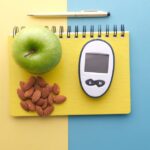
Diet side: Include at least one serving of nitrates-rich vegetables daily. A spinach salad at lunch or a small beetroot juice after a workout. Eat fatty fish twice per week. Replace processed snacks with a handful of walnuts or an apple.
The key is consistency. Doing this for two weeks will produce noticeable changes in how your hands and feet feel. Doing it for two months changes your vascular health at a structural level.


What About Supplements for Circulation?
Many supplements claim to improve blood flow. The evidence is mixed.
L-arginine and L-citrulline are amino acids that help produce nitric oxide. Some studies show they improve exercise performance and blood flow, especially in people with existing circulation problems. But the effects are modest compared to getting nitrates from whole foods.
Beetroot powder and concentrated beet juice are reasonable alternatives if you cannot eat beets regularly. They contain the same active compounds. Just check that the product does not have added sugar.
Ginkgo biloba is widely promoted for circulation, particularly to the brain. The evidence is weak. A 2022 Cochrane review found no convincing benefit for cognitive function or blood flow in people without dementia. Save your money.
Niacin (vitamin B3) can cause a temporary “niacin flush” that makes skin feel warm and red. This is not improved circulation. It is a harmless but misleading side effect. Niacin does not improve long-term blood vessel function.
As of 2026, there is no clinical evidence that any single supplement replaces the combination of exercise and diet for circulation health.
Common Circulation Myths That Waste Your Time
Several popular ideas about circulation do not hold up under scrutiny.
Myth: Crossing your legs causes varicose veins. Sitting with crossed legs does not cause vein damage. Varicose veins are primarily genetic and related to valve weakness in the veins. Crossing your legs is harmless.
Myth: Wearing compression socks all day prevents problems. Compression socks help people with existing venous insufficiency or those who stand all day. For healthy people with normal circulation, they provide no benefit and may even reduce the leg muscles’ natural pumping action.
Myth: Drinking more water directly improves circulation. Dehydration definitely reduces blood volume and makes circulation harder. But drinking extra water beyond normal hydration does not improve blood flow. Your kidneys regulate fluid balance tightly. More water just means more urine.
Myth: Spicy foods “open up” blood vessels. Capsaicin in chili peppers causes a temporary sensation of warmth and flushing. It does not produce lasting improvements in blood vessel function. The effect is cosmetic, not structural.
When Should You See a Doctor About Circulation?
Some circulation problems require medical attention, not just lifestyle changes.
See a doctor if you experience any of these symptoms:
- Pain or cramping in your legs when walking that goes away with rest — a classic sign of peripheral artery disease
- Swelling in one leg only — could indicate a blood clot
- Numbness, tingling, or coldness in your feet or hands that does not improve with movement
- Non-healing sores on your feet or lower legs
- Sudden changes in skin color — pale, blue, or very red patches
The CDC reports that about 6.5 million Americans over age 40 have peripheral artery disease, and many do not know it. If you have risk factors like diabetes, high blood pressure, or a history of smoking, a simple ankle-brachial index test can check your circulation.
Lifestyle changes are powerful, but they cannot fix blocked arteries or damaged valves. If symptoms persist despite good diet and regular exercise, get evaluated.
Does Temperature Affect Circulation?
Yes, but not in the way most people think.
Cold temperatures cause blood vessels to constrict. This is why your hands and feet get cold first. The body prioritizes keeping your core warm by reducing blood flow to extremities. This is normal and temporary.
Warm temperatures cause blood vessels to dilate. That is why your skin looks redder and your hands feel warmer after a hot shower or sauna session. Some people report that alternating hot and cold water in the shower improves circulation. The evidence for this is anecdotal. It may feel good, but there is no strong research showing it produces lasting vascular benefits.
Regular sauna use has better evidence. A study in JAMA Internal Medicine found that frequent sauna bathing was associated with a lower risk of cardiovascular disease. The heat stress appears to improve blood vessel function over time, similar to the effects of moderate exercise. But this is not a replacement for exercise — it is an addition.
Frequently Asked Questions
How quickly can exercise and diet improve circulation?
Most people notice warmer hands and feet and less leg fatigue within two to three weeks of consistent daily walking and nitrate-rich foods. Structural changes to blood vessels take about eight to twelve weeks.
Can drinking beet juice really help blood flow?
Yes. Multiple clinical trials show that beetroot juice lowers blood pressure and improves blood vessel dilation within three to six hours of consumption. The effect lasts about 24 hours with regular intake.
Is walking enough to improve circulation?
For most people, yes. Brisk walking for 30 minutes daily significantly improves leg circulation and heart efficiency. It is one of the most evidence-backed exercises for circulation.
Does standing up more during the day help circulation?
Standing reduces the pooling of blood in your legs compared to sitting. But standing still for long periods is not ideal either. The best position is moving regularly — walking, stretching, or shifting weight every 30 minutes.
