
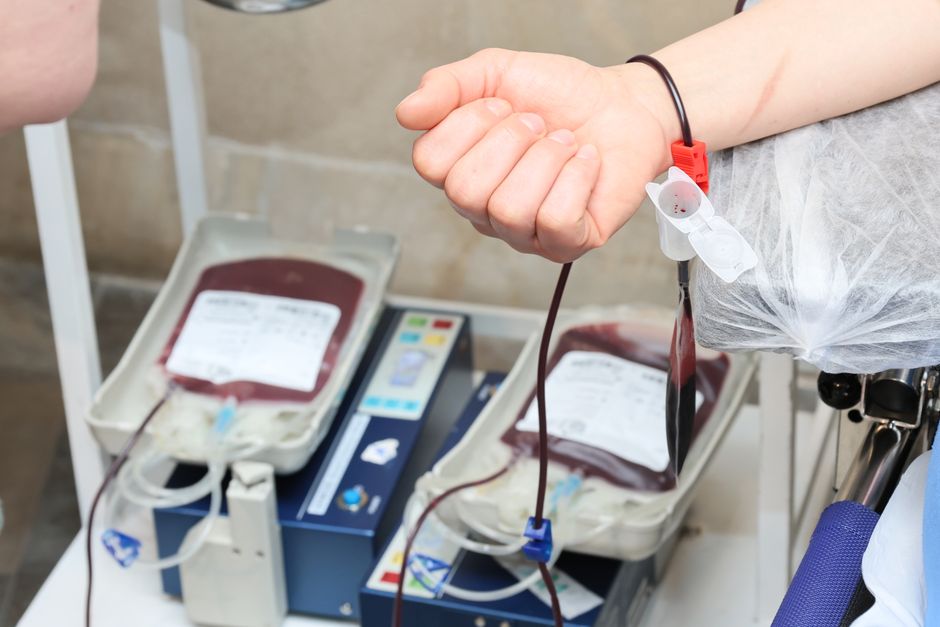
Your blood type is one of the first things medical teams need to know in an emergency. It determines who you can receive blood from and who can receive yours. The four main blood types are A, B, AB, and O. Each type is defined by specific markers, called antigens, that sit on the surface of your red blood cells. These markers decide how your immune system reacts to donated blood, making them a critical part of any transfusion.
What Determines Your Blood Type?
Your blood type is inherited from your parents. It is based on the presence or absence of two specific antigens: A and B. Antigens are proteins and sugars that act like identification tags on your cells. If you have the A antigen, you have type A blood. If you have the B antigen, you have type B blood. If you have both, you have type AB. If you have neither, you have type O.
There is a second critical marker called the Rh factor, also known as the D antigen. If you have this protein, your blood type is considered positive, such as A+ or O+. If you lack it, your blood type is negative, such as A- or O-. This combination of the ABO system and the Rh factor creates eight total blood types, but the core four remain A, B, AB, and O.
What Are The Four Types Of Blood A B Ab O?
The four main blood groups are classified by which antigens are present on the red blood cells. Type A has only the A antigen. Type B has only the B antigen. Type AB has both A and B antigens. Type O has neither A nor B antigens.
This distinction matters because your immune system produces antibodies against the antigens you lack. Someone with type A blood has anti-B antibodies. Someone with type B blood has anti-A antibodies. Someone with type O blood has both anti-A and anti-B antibodies. Someone with type AB blood has neither. These natural antibodies are why mismatched transfusions are dangerous—they cause the immune system to attack the donated blood.
Which Blood Types Are Compatible?
Compatibility depends on whether the recipient’s antibodies will attack the donor’s red blood cells. The universal red cell donor is type O negative. O negative blood has no A, B, or Rh antigens, so it can be given to almost anyone in an emergency when the patient’s blood type is unknown. The universal plasma donor is type AB positive, because AB plasma contains no anti-A or anti-B antibodies.
For red blood cell transfusions, the rules are straightforward. People with type O blood can only receive type O blood. People with type A can receive type A or type O. People with type B can receive type B or type O. People with type AB can receive any of the four types, making them the universal recipients for red blood cells.
Rh compatibility adds another layer. If you are Rh negative, you should generally receive Rh negative blood. This is especially critical for women of childbearing age, because Rh incompatibility during pregnancy can cause complications. If an Rh negative mother carries an Rh positive baby, her immune system may produce antibodies that attack the baby’s red blood cells in a future pregnancy. Medical protocols exist to prevent this, but the distinction between positive and negative blood types remains essential.


How Common Is Each Blood Type?
Blood type distribution varies by population and ethnicity. In the United States, the most common blood type is O positive. It is estimated that roughly 38 percent of the population has O positive blood. A positive is the second most common, at about 34 percent. B positive is less common, and AB negative is among the rarest, found in only about 1 percent of the population.
These numbers matter for blood banks. Type O negative blood is always in high demand because of its universal compatibility, but only about 7 percent of the population has it. Type AB plasma is similarly valuable because it can be given to patients of any blood type. Blood donation centers constantly need to balance their supplies based on these demographic realities.
Why Does Blood Type Matter During Pregnancy?
Blood type matters during pregnancy primarily because of the Rh factor. The risk arises when an Rh negative mother carries an Rh positive baby. During delivery or any bleeding event, fetal red blood cells can enter the mother’s circulation. Her immune system recognizes the Rh antigen as foreign and produces antibodies against it.
These antibodies do not usually harm a first pregnancy. The problem appears in subsequent pregnancies with Rh positive babies. The mother’s antibodies can cross the placenta and attack the baby’s red blood cells, causing hemolytic disease of the newborn. This condition can lead to severe anemia, jaundice, and in severe cases, brain damage.
This is why blood typing is routine early in pregnancy. If an Rh negative mother is identified, she can receive Rh immunoglobulin, commonly called RhoGAM, to prevent her immune system from producing these antibodies. This treatment is well established and highly effective when given at the appropriate times during pregnancy and after delivery.
Can Your Blood Type Change?
Your blood type is fixed for life in almost all cases. It is determined by your genes and does not change with age, diet, or health status. The only rare exceptions involve bone marrow transplants. Because blood cells are produced in the bone marrow, a transplant from a donor with a different blood type can change the recipient’s blood type to match the donor’s.
Some people wonder if blood type can change during pregnancy or illness. It cannot. The antigens on your red blood cells are genetically determined and remain stable. What can change is the result of a blood test if a person has received certain treatments or if testing errors occur, but the underlying blood type itself does not alter.
Does Blood Type Affect Your Health?
Research has explored links between blood type and various health conditions. Some studies suggest that people with type O blood may have a lower risk of heart disease and certain types of cancer. Other research indicates that type A, B, and AB blood may be associated with slightly higher risks of blood clotting issues. The evidence here is real but modest, and it does not mean your blood type determines your health destiny.
Blood type does play a clear role in some medical situations beyond transfusions. For example, the norovirus vaccine research has shown that susceptibility to certain strains can vary by blood type. Similarly, some studies have found that type O blood may have a lower risk of severe malaria. These findings are interesting from a research perspective, but they do not change clinical recommendations for individuals.
No credible evidence supports the popular blood type diets that claim your blood type dictates which foods you should eat. These diets lack rigorous scientific backing. No large clinical trials have confirmed that eating according to your blood type improves health outcomes. If you are considering such a diet, understand that the claims are not supported by solid research.
How Do You Find Out Your Blood Type?
You can learn your blood type through a simple blood test. Blood banks routinely type donated blood. Your doctor can order a blood type test as part of routine blood work. Some pharmacies and clinics offer at-home testing kits, though results from these should be confirmed by a laboratory if they matter for medical decisions.
Knowing your blood type is useful for personal health records, but it is not something you need to memorize for daily life. If you ever need a transfusion, the hospital will test your blood regardless of what you tell them. The medical team never relies solely on a patient’s memory of their blood type. They always perform their own typing and cross-matching before any transfusion.
Why Donation Still Matters
Blood donation remains essential because there is no synthetic substitute for human blood. Hospitals need all types, but some are in shorter supply than others. O negative blood is particularly valuable for emergency situations. Platelets, plasma, and other blood components also have short shelf lives, meaning the supply must be constantly replenished.
If you are healthy and eligible to donate, your blood type matters less than your willingness to give. Donation centers screen all blood for infectious diseases and type every unit they collect. A single donation can help multiple patients because blood is separated into components. The need is constant, and the process is safe when conducted under standard medical protocols.
Frequently Asked Questions
Which blood type is the universal donor?
O negative is the universal red blood cell donor because it lacks A, B, and Rh antigens. It can be given to patients of any blood type in emergencies.
Which blood type is the rarest?
AB negative is among the rarest of the main blood types, found in about 1 percent of the US population. However, the rarest blood types overall are those in the Rh null category, which affect a very small number of people worldwide.
Can a parent with type A blood have a child with type O blood?
Yes. Blood type inheritance is more complex than a simple one-to-one match. A parent with type A can carry the O gene, and if both parents pass on the O gene, their child will have type O blood.
Is it dangerous to receive a mismatched blood transfusion?
Yes. Receiving incompatible blood triggers a severe immune reaction where your antibodies attack the donor red blood cells. This can cause fever, kidney failure, and in severe cases, death, which is why cross-matching is mandatory before transfusion.
