
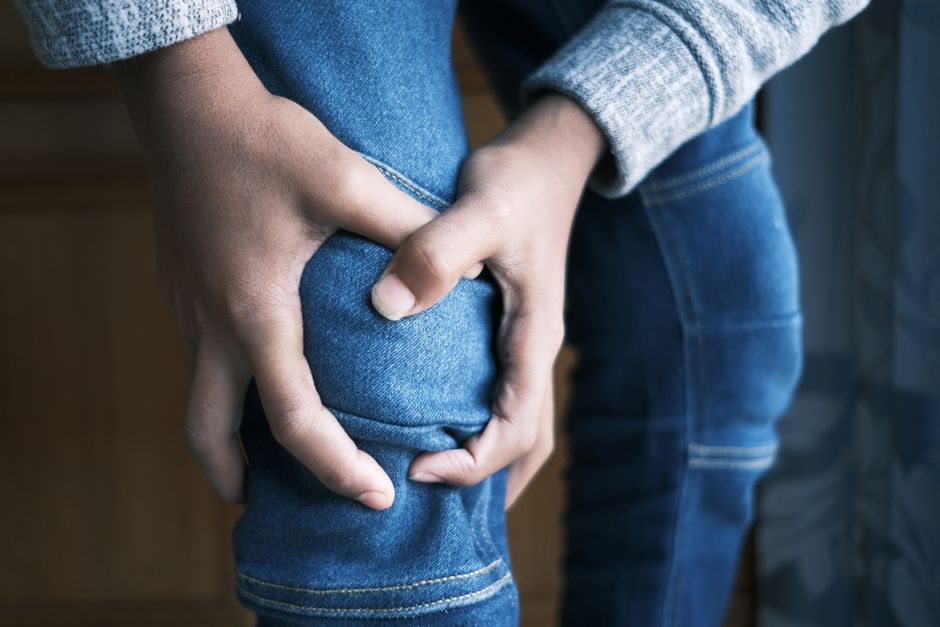
Hip joint pain usually comes from arthritis, tendinitis, bursitis, or an injury like a labral tear. Osteoarthritis is the most common cause, especially as people age. The pain can be in the groin, the side of the hip, or the buttock depending on the source. Knowing the exact cause matters because treatment changes completely based on what is wrong.
What Is the Most Common Cause of Hip Joint Pain?
Osteoarthritis is the leading cause of hip pain in adults over 50. The cartilage that cushions the hip joint wears down over time. Bone starts rubbing on bone. This creates stiffness, aching, and a grinding sensation.
Research shows that about 25 percent of people will develop hip osteoarthritis by age 85. Genetics play a role. So does past injury. Being overweight adds extra stress to the joint and speeds up cartilage loss.
The pain from osteoarthritis is usually felt in the groin area. Some people feel it in the front of the thigh or even the knee. It tends to be worse in the morning and after sitting for a long time. Moving around usually helps a little.
Can Bursitis Cause Hip Pain Without Arthritis?
Yes. Bursitis is one of the most common causes of hip joint pain that is not arthritis. The bursa is a fluid-filled sac that reduces friction between bone and soft tissue. When it becomes inflamed, the pain can be sharp and intense.
Trochanteric bursitis affects the outside of the hip. The pain is often worse when lying on that side or walking up stairs. It is common in runners and in middle-aged women. Current research suggests that tight IT bands and weak glute muscles contribute to this condition.
Some people report that bursitis pain moves or radiates down the outside of the thigh. That is a key difference from arthritis pain, which stays more centered in the groin. Treatment usually includes rest, ice, and physical therapy to correct muscle imbalances.
What Does Hip Labral Tear Pain Feel Like?
A hip labral tear causes a deep catching or clicking sensation in the groin. The labrum is a ring of cartilage that seals the hip joint. When it tears, the joint becomes less stable and more painful with movement.
This injury is common in athletes who do twisting sports like soccer or golf. But it also happens from simple wear and tear as people age. Some people have a structural issue called femoroacetabular impingement (FAI) that makes them more likely to tear the labrum.
Diagnosis usually requires an MRI with contrast. X-rays do not show labral tears. Many people with labral tears also have hip arthritis, which complicates treatment. Surgery is an option but not always needed. Physical therapy focused on hip stability helps many patients avoid surgery.
-
 Is Joint Pain a Symptom of Perimenopause? The Short Answer
 -
Does Stress Cause Muscle and Joint Pain? The Short Answer
-
Can Dehydration Cause Joint and Muscle Pain? The Real Answer
-
Is Walking Good for Sacroiliac Joint Pain? The Real Answer
-
Joint Vive Reviews And Complaints 2026: Consumer Reports & Ratings





How Do You Know If Hip Pain Is From Your Back?
This is one of the trickiest parts of diagnosing hip pain. The lower back and the hip share many nerves. A problem in the spine can feel exactly like hip pain. This is called referred pain.
Herniated discs and spinal stenosis are common causes of referred hip pain. The key clue is location. True hip joint pain is usually in the groin. Referred pain from the back is more often in the buttock or back of the thigh.
Another clue is movement. If bending forward makes the pain worse, the back is more likely the source. If rotating the leg or walking makes it worse, the hip joint is more likely the problem. A good physical exam can usually tell the difference. Sometimes an MRI of both areas is needed.
What Are the Less Common Causes of Hip Joint Pain?
Several less common conditions can cause hip pain. Knowing about them helps avoid misdiagnosis.
Avascular necrosis happens when blood flow to the femoral head stops. The bone dies and collapses. This causes severe pain and usually requires hip replacement. Risk factors include long-term steroid use, heavy alcohol use, and sickle cell disease.
Hip fractures are not just from falls. Stress fractures can happen in runners and older adults with weak bones. The pain is sharp and makes weight bearing difficult. Anyone with sudden hip pain after a fall needs immediate medical attention.
Infectious arthritis is rare but serious. The hip joint becomes infected with bacteria. Symptoms include severe pain, fever, and inability to move the leg. This is a medical emergency. Prompt treatment with antibiotics and drainage is critical.
Snapping hip syndrome is more annoying than dangerous. A tendon snaps over a bony bump when the leg moves. It can cause pain but often does not. Stretching and strengthening usually resolve it. Surgery is rarely needed.
| Condition | Typical Pain Location | Key Feature |
|---|---|---|
| Osteoarthritis | Groin | Morning stiffness, grinding |
| Bursitis | Outside of hip | Pain lying on side |
| Labral tear | Groin | Catching or clicking |
| Referred from back | Buttock or back of thigh | Worse with bending forward |
| Avascular necrosis | Groin or thigh | History of steroids or alcohol |
What Should You Avoid When Your Hip Hurts?
Some common advice for hip pain is wrong or unhelpful. Avoiding these mistakes can save you time and prevent further injury.
Do not assume all hip pain is arthritis. Many people delay proper treatment because they think arthritis is inevitable. A labral tear, bursitis, or back problem needs different care. Getting the right diagnosis first matters more than anything.
Do not rest completely for more than a few days. Total rest weakens the muscles around the hip. Weak muscles put more stress on the joint. Gentle movement within a pain-free range is better. Walking, swimming, and stationary cycling are usually safe.
Do not ignore groin pain. Pain in the groin is almost always from the hip joint itself. Pain on the outside of the hip is often from soft tissue. Groin pain that does not go away deserves a full evaluation.
Do not rely on stretching alone. Tight muscles can cause hip pain. But weak muscles cause it too. A balanced program of stretching and strengthening works better than either one alone. The glutes, core, and hip flexors all need attention.
Do not take anti-inflammatory medication for weeks without a plan. NSAIDs like ibuprofen reduce pain temporarily. They do not fix the underlying problem. Long-term use carries risks for the stomach, kidneys, and heart. Use them for short periods while you address the real cause.
Frequently Asked Questions About causes of hip joint pain
Can hip pain be a sign of something serious like cancer?
Yes, but it is very rare. Bone tumors in the hip can cause deep aching pain that gets worse at night. Unexplained weight loss or fever along with hip pain warrants immediate medical evaluation.
Does hip pain always mean you need a hip replacement?
No. Most hip pain improves with conservative treatment like physical therapy, weight loss, and activity modification. Hip replacement is only considered when these options fail and pain significantly affects quality of life.
How long does hip bursitis take to heal?
Most cases improve within 4 to 6 weeks with rest, ice, and physical therapy. Some people need a corticosteroid injection for faster relief. Chronic cases may take several months.
What is the best sleeping position for hip pain?
Sleeping on the opposite side with a pillow between the knees reduces pressure on the painful hip. Sleeping on the back with a pillow under the knees also helps. Avoid sleeping directly on the painful side.
