
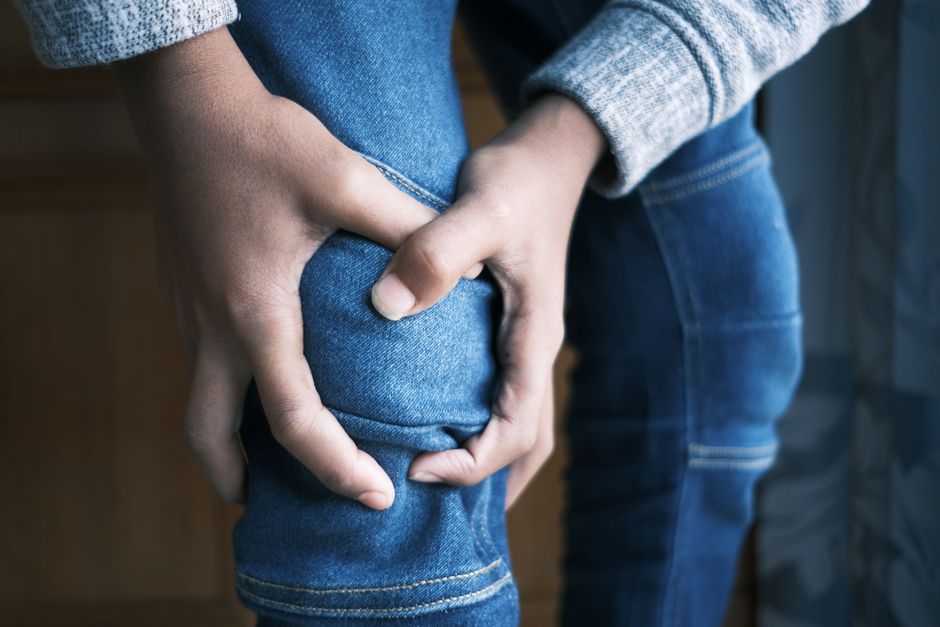
Yes, dehydration can cause joint and muscle pain. When your body loses more fluid than it takes in, your joints lose lubrication and your muscles lose their ability to function properly. This is not a rare or overhyped connection — it is a well-documented biological fact.
How Does Dehydration Affect Your Joints?
Your joints are surrounded by a fluid called synovial fluid. This fluid acts like oil in a car engine. It reduces friction and allows bones to glide smoothly against each other. Synovial fluid is mostly water.
When you are dehydrated, your body produces less synovial fluid. The fluid that remains becomes thinner and less effective at cushioning your joints. The result is increased friction. That friction can feel like stiffness, grinding, or a dull ache. The American College of Rheumatology notes that maintaining hydration is one of the basic steps for joint health, though they do not claim it cures arthritis.
This is especially noticeable in weight-bearing joints like your knees and hips. If you have ever stood up after sitting for a long time and felt your knees crack or ache, dehydration could be a factor. Many people assume it is just aging. Sometimes it is. But often, it is simply not enough water.
Can Dehydration Cause Muscle Cramps and Soreness?
Yes, and the evidence here is stronger than for joints. Muscles are about 75 percent water. They rely on proper fluid levels to contract and relax. When you are dehydrated, the balance of electrolytes like sodium, potassium, and magnesium gets disrupted. This throws off the electrical signals that tell your muscles when to tighten and when to release.
Studies published in the Journal of Athletic Training have found that even mild dehydration — losing just 1 to 2 percent of your body weight in fluids — can increase the risk of muscle cramps. It also reduces muscle endurance. You may feel weaker or more sore after normal activity.
Some people report that their muscles feel tight or achy for no clear reason. They stretch, they rest, but the discomfort lingers. In many of those cases, increasing water intake reduces or removes the pain within a day or two. This is not a guaranteed fix for everyone, but it is a simple thing to try before assuming something more serious is wrong.
What Does the Research on Dehydration and Muscle Pain Really Show?
Most of the solid research focuses on athletes and active people. That is where the strongest evidence lives. A 2015 study in the European Journal of Applied Physiology found that dehydration significantly increased muscle soreness after exercise compared to proper hydration. Participants who were dehydrated reported more pain and took longer to recover.
For the general population, the evidence is more indirect. The CDC reports that about 43 percent of adults drink less than four cups of water a day. That is not enough for most people. Chronic low-level dehydration is common, and it may contribute to ongoing joint and muscle discomfort that people assume is just part of getting older.
What the research does not show is that dehydration causes arthritis or permanent muscle damage. It does not. But it can make existing conditions feel worse. If you already have osteoarthritis or fibromyalgia, dehydration can amplify your pain. The mechanism is real even if the headlines overstate it.





How Much Water Do You Actually Need?
There is no single number that works for everyone. The old advice of eight glasses a day is a rough guideline, not a scientific rule. The National Academies of Sciences, Engineering, and Medicine recommends about 3.7 liters of total water per day for men and 2.7 liters for women. That includes water from food and other beverages, not just plain water.
A more practical approach is to check your urine color. Pale yellow means you are likely hydrated. Dark yellow or amber means you need to drink more. This is not perfect, but it is a useful daily check that does not require math.
If you exercise, sweat heavily, or live in a hot climate, you need more. If you are older, your sense of thirst weakens, so you may need to drink on a schedule rather than waiting until you feel thirsty. Many older adults are chronically dehydrated without realizing it, and that directly affects muscle and joint comfort.
| Symptom | Likely from dehydration | More likely from other cause |
|---|---|---|
| Muscle cramps during exercise | Yes, common | Electrolyte imbalance or overuse |
| Stiff joints in the morning | Possible, especially if you slept dehydrated | Arthritis or inflammatory condition |
| General muscle achiness | Possible, especially with low water intake | Viral illness or chronic fatigue |
| Sharp, localized joint pain | Unlikely | Injury or specific joint disease |
Can Rehydrating Reverse Joint and Muscle Pain?
In many cases, yes — but only if dehydration was the cause. If you drink a glass of water and your knee pain disappears in an hour, dehydration was likely the culprit. If the pain persists for days or weeks, something else is going on.
Rehydration works fastest for muscle cramps. Drinking water with electrolytes can relieve a cramp within minutes. For joint stiffness, improvement may take a few hours or even a full day because your body needs time to restore synovial fluid levels. Drinking a large amount of water all at once does not help. Your kidneys will just flush it out. Steady hydration throughout the day is what works.
Some people report that their chronic joint pain improves significantly after they start drinking more water consistently for a week or two. This is widely claimed, but strong clinical evidence for long-term pain relief from hydration alone is limited. It is worth trying because it is free and has no side effects. Just do not expect it to cure arthritis or a torn ligament.
What Else Could Be Causing Your Pain?
Dehydration is one of the most overlooked causes of muscle and joint pain, but it is not the only one. If increasing your water intake does not help within a few days, consider other possibilities. Lack of sleep, poor diet, stress, and sedentary habits all contribute to pain. So do underlying conditions like autoimmune diseases, thyroid disorders, and vitamin D deficiency.
One non-obvious insight: many people mistake thirst for hunger and eat when they should drink. This leads to both dehydration and overeating, which can increase inflammation and joint pain. If you feel achy and you are not sure why, drink a full glass of water first. Wait 15 minutes. If the feeling fades, you were dehydrated. If not, look for other causes.
Do not assume that because you drink coffee or tea all day you are hydrated. Caffeine is a mild diuretic, meaning it makes you urinate more. It does not dehydrate you as much as people claim, but it also does not hydrate as well as water. If most of your fluid intake is caffeinated, you may still be running low on pure water.
Common Misconceptions About Dehydration and Pain
The biggest misconception is that dehydration only matters during exercise or in hot weather. Your body loses water constantly — through breathing, sweating, and waste. You can become dehydrated sitting at a desk in an air-conditioned room. Many people are mildly dehydrated most of the time and do not realize it.
Another myth is that drinking sports drinks is better than water for preventing muscle pain. Sports drinks contain sugar and electrolytes, which help during intense exercise lasting more than an hour. For everyday hydration, plain water is just as effective and has no added sugar. Electrolyte imbalance is real, but for most people, food provides enough electrolytes. You do not need a neon-colored bottle to fix it.
Some people believe that if they are not thirsty, they are not dehydrated. Thirst is a late sign. By the time you feel thirsty, you are already mildly dehydrated. This is especially true for adults over 60, whose thirst mechanism becomes less reliable. Drinking water before you feel thirsty is a better strategy for preventing pain.
Frequently Asked Questions
Can dehydration cause joint and muscle pain even if I drink coffee?
Yes. Coffee is a mild diuretic but does not fully dehydrate you. However, if coffee is your main fluid source, you may still fall short of your body’s water needs.
How long does it take for water to relieve joint pain?
It can take a few hours to a full day. Steady hydration over several hours works better than drinking a large amount all at once.
Does dehydration cause arthritis?
No. Dehydration does not cause arthritis. It can make arthritis pain feel worse by reducing joint lubrication and increasing friction.
Can drinking more water cure muscle cramps?
It can help if the cramps are caused by dehydration. If cramps persist despite good hydration, look for other causes like electrolyte imbalance or overuse.
