
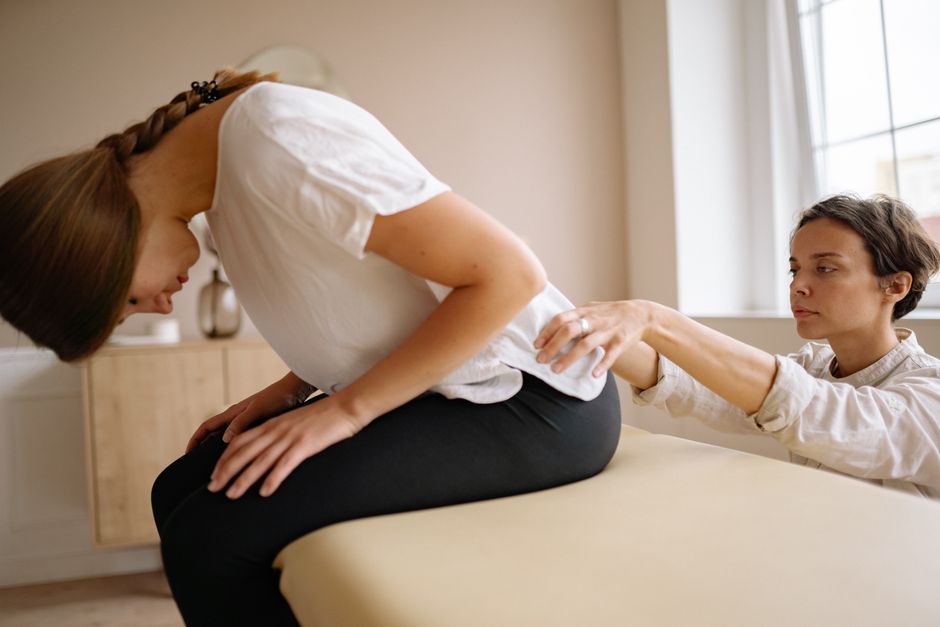
If you have SI joint pain, the first step is usually physical therapy and anti-inflammatory medication. Most people improve with these conservative methods within a few weeks. Surgery is rarely needed and only considered after months of failed treatment.
What causes sacroiliac joint pain in the first place?
The sacroiliac joint connects your sacrum to your pelvis. It is a strong joint that does not move much. But when it gets irritated, the pain can be sharp and hard to ignore.
Common causes include pregnancy, a fall, or uneven leg length. Arthritis can also inflame the joint. Some people develop SI joint pain after lumbar fusion surgery. The extra stress shifts to the SI joint.
Doctors often miss this condition because the pain mimics other problems. It can feel like a herniated disc or sciatica. A careful exam and imaging help confirm the source.
What is the first treatment for sacroiliac joint pain?
Most doctors start with physical therapy. A therapist teaches you exercises to stabilize the pelvis and strengthen the surrounding muscles. This takes pressure off the joint.
Over-the-counter anti-inflammatory drugs like ibuprofen or naproxen are also common. They reduce swelling and can make movement easier. Heat or ice packs applied to the low back or buttock may help too.
Activity modification matters. Avoid twisting motions and high-impact activities like running. Walking on flat ground is usually fine. Listen to your body and stop if something hurts.
Current research suggests that conservative care works for about 80 to 90 percent of people with SI joint pain. Most see improvement within four to six weeks. If you do not, the next step is more targeted treatment.
Does manual therapy or chiropractic care help?
Some people find relief with hands-on treatments. A physical therapist or chiropractor may use gentle mobilization to realign the joint. This is not a forceful crack. It is a controlled movement that can reduce stiffness.
Evidence on manual therapy is mixed but generally positive for short-term relief. A 2020 review in the Journal of Manual and Manipulative Therapy found that thrust manipulation reduced pain more than sham treatment in the short term. Long-term results were similar to exercise alone.
Chiropractic adjustments for the SI joint are common but not always backed by strong studies. Some people report immediate relief. Others feel worse. If you try it, look for a practitioner who uses low-force techniques. High-velocity thrusts can aggravate an already angry joint.
Massage therapy may help the surrounding muscles. The glutes and piriformis often tighten up to protect the joint. Releasing those muscles can reduce referred pain. It does not fix the joint itself but can make you more comfortable.




Do SI joint belts and braces work?
An SI joint belt is a strap worn around the hips. It compresses the joint and limits excessive movement. This can reduce pain during walking or standing.
Studies on belts are limited but user reports are fairly positive. A small study from 2016 found that wearing a belt reduced pain during functional tasks in people with SI joint dysfunction. The effect was modest but real.
Belts are not a cure. They are a tool to get through the day while you build strength. Wear them during activity but take them off when resting. Relying on a belt all the time can weaken the muscles that stabilize the joint.
Choose a belt with a wide band and a firm but comfortable fit. It should sit just below your hip bones. A physical therapist can show you the correct placement.
What about injections for SI joint pain?
If physical therapy and medication do not help enough, your doctor may suggest an injection. Corticosteroid injections deliver strong anti-inflammatory medicine directly into the joint. They can reduce pain for weeks or months.
Injections serve two purposes. First, they provide relief so you can do physical therapy with less pain. Second, they help confirm the diagnosis. If the pain goes away after the injection, the SI joint is likely the source.
Evidence supports injections for short-term relief. A 2015 systematic review in Pain Physician found that intra-articular SI joint injections reduced pain by at least 50 percent in about 60 to 70 percent of patients at one month. Results dropped off after that.
You can get a limited number of injections per year. Too many can weaken the joint or damage cartilage. Most doctors recommend no more than three or four per year. Radiofrequency ablation is another option for longer relief. It uses heat to disrupt the nerves sending pain signals from the joint. Studies show it can provide relief for six to twelve months.
Is surgery ever needed for SI joint pain?
Surgery is rare and reserved for severe cases. The procedure is called SI joint fusion. A surgeon places screws and implants to permanently stabilize the joint.
Fusion is controversial. Some studies report good outcomes. Others show high complication rates and mixed results. A 2019 study in the Journal of Neurosurgery found that about 80 percent of patients who had fusion reported significant improvement. But the same study noted that nearly 20 percent needed another surgery within two years.
Do not consider surgery until you have tried at least six months of conservative care. You should also have a clear diagnosis confirmed by imaging and diagnostic injections. Even then, get a second opinion. Some surgeons push fusion too quickly.
As of 2026, newer minimally invasive techniques exist. They use smaller incisions and may reduce recovery time. But long-term data is still limited. The decision to fuse should not be taken lightly.
What should you avoid with SI joint pain?
Avoid prolonged sitting. It compresses the joint and can worsen pain. Stand up every 20 to 30 minutes. Use a lumbar roll if you must sit for long periods.
Avoid sleeping on your stomach. It twists the pelvis and strains the joint. Sleep on your side with a pillow between your knees. This keeps the hips aligned and reduces stress on the SI joint.
Avoid high-impact exercise until you are stable. No running, jumping, or heavy squats. Stick to walking, swimming, or stationary cycling. Gradually return to activity as your symptoms improve.
Avoid relying on pain medication alone. Pills mask symptoms but do not fix the underlying problem. You need strength and stability to keep the joint from getting irritated again. Medication is a bridge, not a destination.
Common misconceptions about SI joint pain treatment
Misconception: Stretching always helps. Stretching a hypermobile SI joint can make it worse. If your joint moves too much, you need stabilization, not flexibility. Have a therapist assess whether your joint is too loose or too stiff before stretching.
Misconception: Surgery is the only real fix. Most people never need surgery. Conservative treatment works for the vast majority. Surgery is a last resort, not a first option.
Misconception: SI joint pain is the same as sciatica. They feel similar but come from different places. Sciatica is nerve-related. SI joint pain comes from the joint itself. Treatment differs, so an accurate diagnosis matters.
Misconception: You can fix it with one adjustment. Chronic SI joint pain usually requires a program of strengthening, activity modification, and sometimes injections. One visit to a chiropractor is unlikely to resolve it permanently.
| Treatment | Time to effect | Duration of relief | Evidence strength |
|---|---|---|---|
| Physical therapy | 2-6 weeks | Ongoing with maintenance | Strong |
| NSAIDs | Hours to days | Short-term only | Moderate |
| SI joint belt | Immediate | During wear only | Weak to moderate |
| Corticosteroid injection | 2-7 days | Weeks to months | Moderate |
| Radiofrequency ablation | 2-4 weeks | 6-12 months | Moderate to strong |
| Surgical fusion | Months | Years if successful | Mixed |
Frequently Asked Questions About treatment for sacroiliac joint pain
How long does it take for SI joint pain to go away?
Most people see improvement within four to six weeks of consistent physical therapy and activity changes. Chronic cases may take several months.
Can SI joint pain heal on its own without treatment?
Mild cases can improve without formal treatment, but structured care usually speeds recovery and reduces the risk of recurrence.
What is the best sleeping position for SI joint pain?
Sleep on your side with a pillow between your knees to keep the hips aligned and reduce joint stress.
Is walking good for SI joint pain?
Walking on flat, even ground is generally safe and can help maintain mobility. Avoid uneven terrain and high-impact activities.
