
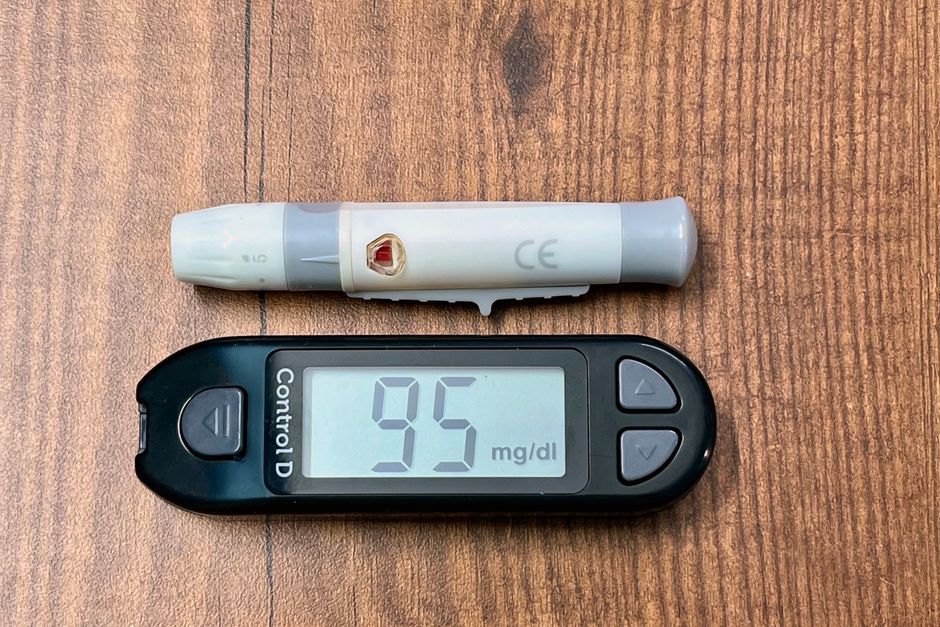
Blood sugar is one of those numbers that quietly shapes how you feel every day, whether or not you have a diagnosis. For most healthy adults, a normal fasting blood sugar level falls between 70 and 99 mg/dL. Two hours after a meal, a normal level is generally below 140 mg/dL. These ranges come from widely used clinical standards, and they apply to adults who are not pregnant and do not have a diagnosed blood sugar condition.
What Are Normal Blood Sugar Levels For Adults?
Blood sugar, also called blood glucose, is the amount of sugar circulating in your bloodstream at a given moment. It rises after you eat and settles back down as insulin moves that sugar into your cells for energy or storage.
The most commonly referenced ranges for non-pregnant adults are:
- Fasting (no food for at least 8 hours): 70 to 99 mg/dL
- Two hours after a meal: below 140 mg/dL
- A1C (average over about 3 months): below 5.7 percent
These three numbers measure different things. A fasting reading is a snapshot. The two-hour reading shows how well your body handles a sugar load. A1C reflects your average over months. A single reading can look off for many reasons, which is why doctors rarely judge blood sugar from one test alone.
One detail worth knowing: blood sugar is not meant to stay perfectly flat. It moves up and down all day in response to food, activity, stress, and sleep. Normal means the body brings it back into range efficiently, not that it never changes.
What Is the Difference Between Normal, Prediabetes, and Diabetes?
The line between these categories is drawn by specific numbers, and the categories describe ranges rather than a sudden switch. The same three tests define all of them.
| Category | Fasting | 2 Hours After Meal | A1C |
|---|---|---|---|
| Normal | 70–99 mg/dL | Below 140 mg/dL | Below 5.7% |
| Prediabetes | 100–125 mg/dL | 140–199 mg/dL | 5.7–6.4% |
| Diabetes | 126 mg/dL or higher | 200 mg/dL or higher | 6.5% or higher |
For a diabetes diagnosis, these thresholds generally need to be confirmed with a repeat test unless symptoms are clear and blood sugar is very high. That confirmation step exists because a single abnormal result can happen for reasons unrelated to diabetes.
Prediabetes is the middle zone. It is not diabetes, but it is not normal either. Research consistently shows that people in this range have a higher chance of developing type 2 diabetes over time compared with people whose numbers stay in the normal range. It also raises cardiovascular risk somewhat, even before diabetes develops.
Why Do Blood Sugar Levels Change Throughout the Day?
Blood sugar rises and falls because the body is constantly balancing sugar coming in against sugar being used or stored. Several everyday forces push it up or down.
After a meal, carbohydrates break down into glucose that enters the bloodstream. The pancreas releases insulin, which signals cells to take in that glucose. Between meals, the liver releases stored glucose to keep your brain and muscles supplied. This back-and-forth is normal and tightly controlled in a healthy body.
Things that commonly push readings higher include:
- Eating, especially meals high in refined carbohydrates
- Illness, infection, or injury
- Physical or emotional stress
- Some medications, including certain steroids
- Poor sleep and low physical activity over time
Things that generally lower readings include physical activity, which helps muscles take up glucose, and the natural fasting state overnight. Morning readings can also be affected by the “dawn phenomenon,” where hormones released in the early morning hours raise blood sugar slightly. This is normal physiology, not a sign of disease on its own.


What Causes High Blood Sugar?
High blood sugar happens when the body either does not make enough insulin or does not respond to it well. Both problems can exist at the same time.
In type 1 diabetes, the immune system attacks the insulin-producing cells of the pancreas, so the body makes little or no insulin. In type 2 diabetes, the body becomes resistant to insulin and the pancreas cannot keep up with demand over time. Type 2 is far more common in adults.
Other factors can raise blood sugar without causing diabetes. These include acute illness, certain medications, and hormonal conditions. Some are temporary and resolve when the underlying cause is treated.
Chronic high blood sugar matters because it damages blood vessels and nerves over years. This is why diabetes is linked to problems with the eyes, kidneys, nerves, heart, and circulation. The damage builds slowly, which is why many people with early high blood sugar feel completely normal.
What Are the Symptoms of Abnormal Blood Sugar?
Mildly abnormal blood sugar often causes no symptoms at all. That is the main reason prediabetes and early type 2 diabetes can go unnoticed for years.
When blood sugar is clearly high, common symptoms include increased thirst, frequent urination, fatigue, and blurred vision. Unexplained weight loss can occur, particularly in type 1 diabetes. These symptoms tend to appear gradually in type 2 and more quickly in type 1.
Low blood sugar, called hypoglycemia, is a different situation. It most often occurs in people taking insulin or certain diabetes medications. Symptoms can include shakiness, sweating, confusion, and a rapid heartbeat. In someone not taking those medications, low blood sugar is uncommon, though it can happen with prolonged fasting or heavy alcohol use.
If you have symptoms that suggest very high or very low blood sugar, that is a reason to seek medical care rather than wait. Severe cases can become emergencies.
How Are Blood Sugar Levels Tested?
Testing happens in a few different ways, and each answers a slightly different question.
A fasting blood glucose test measures your level after at least 8 hours without food. It is simple and widely used. An A1C test does not require fasting and reflects your average blood sugar over roughly the past 3 months. An oral glucose tolerance test measures your blood sugar before and 2 hours after drinking a sugary solution, showing how well your body clears a sugar load.
Home glucose meters use a drop of blood from a fingertip and give a reading in seconds. Continuous glucose monitors use a small sensor worn on the body to track glucose throughout the day. These tools are mainly used by people managing diabetes, though some people without diabetes use them too. For someone without diabetes, the value of routine continuous monitoring is not well established, and it is not part of standard screening.
Screening recommendations vary by organization, but many guidelines suggest checking blood sugar in adults starting around age 35, or earlier for people with risk factors such as a family history of diabetes or excess weight. Your clinician can advise what fits your situation.
Can You Keep Blood Sugar in the Normal Range?
For many people, yes. Lifestyle factors influence blood sugar, and the evidence for some of them is strong.
Regular physical activity helps muscles take up glucose and improves insulin sensitivity. Eating patterns that emphasize fiber, vegetables, and whole grains over refined carbohydrates are linked to better blood sugar control. Losing excess weight, where it applies, can meaningfully improve blood sugar. Sleep and stress management also play a role, though the evidence there is somewhat less direct.
What is not supported: the idea that any single food, supplement, or “blood sugar detox” can reliably normalize glucose on its own. No large human trials have confirmed that these products work as marketed. If a claim sounds like a cure, treat it with caution.
For people who already have diabetes, lifestyle changes are important but often work alongside medication rather than replacing it. Treatment decisions should come from a clinician who knows your full picture.
Frequently Asked Questions
What is a normal fasting blood sugar level for adults?
A normal fasting blood sugar for non-pregnant adults is 70 to 99 mg/dL. Fasting means no food for at least 8 hours before the test.
What should blood sugar be 2 hours after eating?
For most adults, a normal reading 2 hours after a meal is below 140 mg/dL. Levels from 140 to 199 mg/dL fall in the prediabetes range.
What A1C level is considered normal?
An A1C below 5.7 percent is considered normal for adults. A1C reflects your average blood sugar over roughly the past 3 months.
Can blood sugar be normal and still be a problem?
Yes. Readings can be normal at one moment while A1C or other tests reveal a longer-term issue, which is why doctors often use more than one test.
