
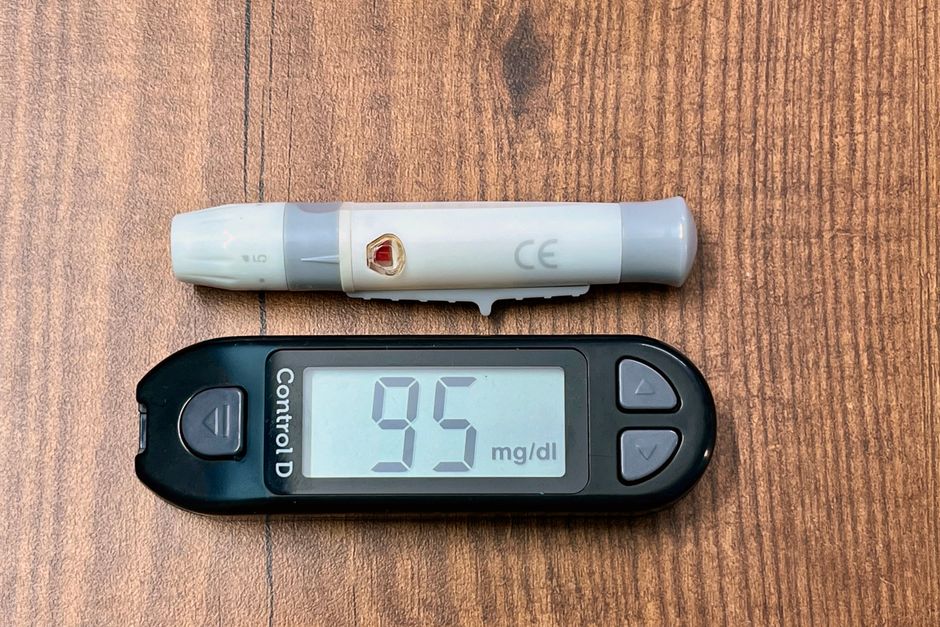
Blood sugar is one of those numbers that quietly shapes how you feel, how you age, and your long-term risk of heart disease, kidney damage, and vision loss. The short answer: for most adults without diabetes, a normal fasting blood sugar is 70 to 99 mg/dL, and a normal A1C is below 5.7%. Readings between 100 and 125 mg/dL fasting point to prediabetes, and 126 mg/dL or higher on two separate tests points to diabetes. Those are the numbers. What they mean for you depends on when you test, what you ate, and your overall health.
What Is Good Blood Sugar Normal Ranges Explained
Blood sugar is measured in milligrams per deciliter (mg/dL) in the United States. The value changes throughout the day based on food, activity, stress, sleep, and hormones. That is normal. A single reading tells you very little on its own.
Here are the standard ranges used by clinicians:
| Test | Normal | Prediabetes | Diabetes |
|---|---|---|---|
| Fasting glucose | 70–99 mg/dL | 100–125 mg/dL | 126 mg/dL or higher |
| A1C | Below 5.7% | 5.7%–6.4% | 6.5% or higher |
| 2-hour glucose (OGTT) | Below 140 mg/dL | 140–199 mg/dL | 200 mg/dL or higher |
| Random glucose | Varies | — | 200 mg/dL or higher with symptoms |
These thresholds come from the American Diabetes Association and are widely used in clinical practice. For diabetes, the diagnosis generally requires two abnormal test results, unless symptoms are clear and a random glucose is 200 mg/dL or higher.
One thing many people miss: the A1C reflects average blood sugar over roughly the past two to three months. It does not show daily swings. You can have a normal A1C and still have significant spikes after meals. That is why some clinicians now look at continuous glucose monitoring data alongside standard tests, though this is not yet routine for people without diabetes.
What Is a Normal Blood Sugar Level After Eating?
General targets used in clinical settings for people without diabetes are:
- Before meals: 80–130 mg/dL
- One to two hours after a meal: below 180 mg/dL
Those targets were developed primarily for people with diabetes managing their condition. For people without diabetes, post-meal values tend to stay lower — often below 140 mg/dL at the one-hour mark. But individual variation is real. Age, meal composition, activity level, and even how well you slept the night before all influence the number.
A meal heavy in refined carbohydrates will produce a faster, higher spike than one built around protein, fat, and fiber. That does not make carbohydrates “bad.” It means the body handles them differently depending on what else is on the plate and how quickly the food is digested.
What Causes Blood Sugar to Go Up and Down?
Blood sugar is controlled by a feedback loop involving the pancreas, liver, muscles, and fat tissue. When you eat, your pancreas releases insulin. Insulin signals cells to take in glucose from the bloodstream. Between meals, the liver releases stored glucose to keep your brain and organs supplied.
Several things can disrupt this loop:
- Insulin resistance — cells respond less effectively to insulin, so the pancreas must produce more to keep blood sugar normal. This can go on for years before fasting glucose rises.
- Beta-cell dysfunction — the insulin-producing cells in the pancreas gradually lose capacity. When insulin resistance and beta-cell dysfunction combine, blood sugar climbs.
- Stress hormones — cortisol and adrenaline raise blood sugar. Illness, surgery, and emotional stress can all push readings up temporarily.
- Medications — corticosteroids, some blood pressure drugs, and certain psychiatric medications can raise blood sugar.
- Sleep — short or poor-quality sleep can reduce insulin sensitivity the next day. The effect is measurable but usually modest in healthy people.
Blood sugar also rises naturally with age. Muscle mass declines, and muscle is a major site of glucose disposal. Less muscle means less capacity to clear glucose from the blood. This is one reason fasting glucose tends to creep up gradually after age 45.




When Should You Get Your Blood Sugar Checked?
The American Diabetes Association recommends screening for prediabetes and diabetes starting at age 35 for most adults. People with risk factors — a family history of diabetes, a BMI of 30 or higher, a history of gestational diabetes, or certain ethnic backgrounds with higher diabetes risk — may be screened earlier.
If results are normal, repeat testing is generally recommended every three years. If results fall in the prediabetes range, more frequent testing is usually advised.
Symptoms that warrant testing sooner include:
- Increased thirst and frequent urination
- Unexplained weight loss
- Blurred vision
- Fatigue that does not improve with rest
- Slow-healing wounds or frequent infections
These symptoms often appear only after blood sugar has been elevated for some time. Many people with prediabetes and even early type 2 diabetes have no symptoms at all. That is why screening matters — you cannot rely on how you feel.
Does Prediabetes Always Lead to Diabetes?
No. Progression from prediabetes to type 2 diabetes is not inevitable. Research consistently shows that lifestyle changes can reduce the risk of progression, sometimes substantially.
The strongest evidence comes from large trials in people with prediabetes. Those who lost a modest amount of weight through diet and exercise — and kept it off — were significantly less likely to develop diabetes over the following years compared to those who did not make those changes. The effect was largest in older adults and those who made sustained changes rather than short-term ones.
What “modest” means varies by person. For someone with a BMI of 35, losing 5% to 7% of body weight can meaningfully improve insulin sensitivity. For someone already at a healthy weight, the benefit comes more from physical activity and dietary quality than from weight loss.
No single diet has been proven superior for reversing prediabetes. Mediterranean-style eating, low-carbohydrate approaches, and plant-based diets have all shown benefit in studies. The common thread is reducing refined carbohydrates and added sugars while increasing fiber, protein, and healthy fats.
What About Low Blood Sugar in People Without Diabetes?
True hypoglycemia (blood sugar below 70 mg/dL) is uncommon in people without diabetes. When it does occur, it usually has a specific cause — certain medications, prolonged fasting, heavy alcohol use without food, or rare hormonal conditions.
Many people describe symptoms like shakiness, irritability, and hunger between meals and assume their blood sugar is low. Often it is not. The symptoms may be related to stress, caffeine, or simply the normal experience of being hungry. Without a measured glucose reading, it is hard to know.
If you suspect low blood sugar and you do not have diabetes, a clinician can evaluate you with a supervised fasting test or other testing. Self-diagnosing based on how you feel is unreliable. Home glucose meters are not calibrated for the precision needed to diagnose hypoglycemia in people without diabetes.
How Do You Keep Blood Sugar in a Healthy Range?
For most people, the fundamentals matter more than any specific trick:
- Move regularly. Muscle contractions during exercise pull glucose out of the blood without needing extra insulin. Even a 15-minute walk after meals can help.
- Build meals around fiber, protein, and fat. These slow digestion and blunt post-meal spikes.
- Limit sugary drinks. Liquid sugar hits the bloodstream fast and is strongly linked to type 2 diabetes risk in observational studies.
- Get enough sleep. Chronic short sleep is associated with worse glucose control.
- Manage stress where you can. Cortisol raises blood sugar. This is easier said than done, but it matters.
No supplement has been proven to normalize blood sugar in people with prediabetes or diabetes. Some — like cinnamon and berberine — have small studies showing modest effects, but the evidence is not strong enough to recommend them as stand-alone strategies. They are not substitutes for the fundamentals.
Frequently Asked Questions
What is a normal fasting blood sugar level?
A normal fasting blood sugar is 70 to 99 mg/dL. Readings of 100 to 125 mg/dL indicate prediabetes, and 126 mg/dL or higher on two tests indicates diabetes.
What is a normal A1C level?
A normal A1C is below 5.7%. An A1C of 5.7% to 6.4% indicates prediabetes, and 6.5% or higher indicates diabetes.
Can blood sugar be normal but still be a problem?
Yes. Blood sugar can be normal fasting but spike significantly after meals, which standard tests may miss. Some clinicians use continuous glucose monitoring to look at these patterns, though it is not routine for people without diabetes.
Does prediabetes always turn into diabetes?
No. Many people with prediabetes do not progress to diabetes, especially those who lose a modest amount of weight, exercise regularly, and improve their diet. Progression is common but not inevitable.
