
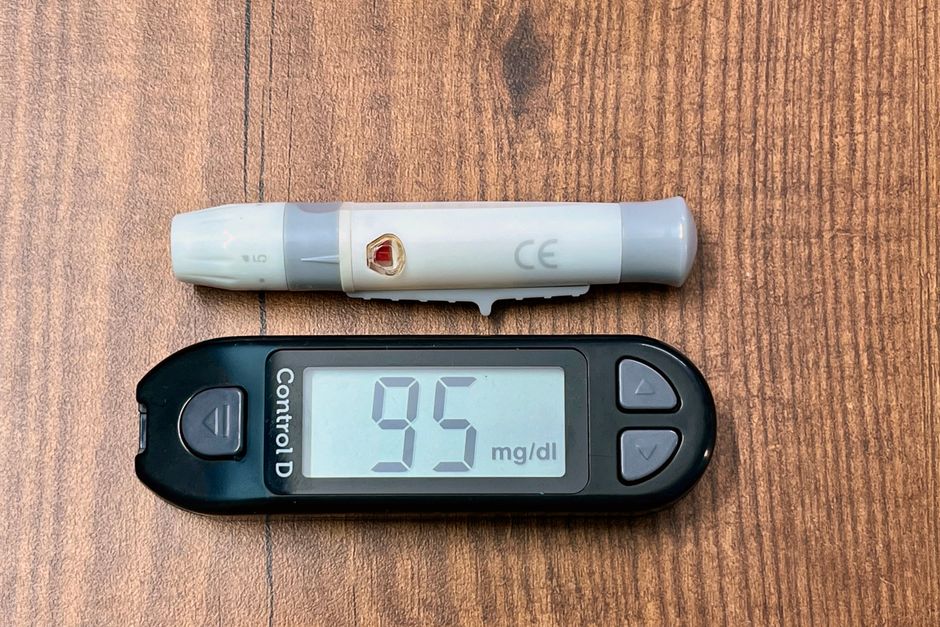
A normal fasting blood sugar reading for most adults is between 70 and 99 mg/dL. Two hours after a meal, a normal reading is generally below 140 mg/dL. These ranges apply to adults who do not have diabetes, and they come from widely used clinical standards that doctors rely on every day.
Blood sugar — also called blood glucose — is the amount of sugar circulating in your bloodstream at a given moment. It rises and falls throughout the day depending on what you eat, how active you are, and how well your body manages insulin. Knowing where your numbers fall can tell you a lot about your metabolic health.
What Is A Normal Blood Sugar Reading For Adults?
Normal blood sugar is not a single number. It is a range, and that range shifts depending on when you last ate.
For a fasting reading — taken after at least 8 hours without food — normal is 70 to 99 mg/dL. A reading of 100 to 125 mg/dL falls into a category called prediabetes. A fasting reading of 126 mg/dL or higher on two separate occasions is one of the criteria used to diagnose diabetes.
After a meal, blood sugar naturally rises. A two-hour post-meal reading below 140 mg/dL is considered normal. Between 140 and 199 mg/dL after two hours falls into the prediabetes range. At 200 mg/dL or above, with symptoms, doctors may diagnose diabetes.
These cutoffs come from the American Diabetes Association and are used across clinical practice. They are not arbitrary. They reflect years of research linking specific glucose levels to long-term health outcomes.
How Do Blood Sugar Ranges Differ by Test?
Doctors use several different tests to measure blood sugar. Each one has its own normal range and its own purpose.
| Test | Normal Range | Prediabetes Range | Diabetes Range |
|---|---|---|---|
| Fasting glucose | 70–99 mg/dL | 100–125 mg/dL | 126 mg/dL or higher |
| 2-hour oral glucose tolerance | Below 140 mg/dL | 140–199 mg/dL | 200 mg/dL or higher |
| A1C | Below 5.7% | 5.7–6.4% | 6.5% or higher |
The fasting glucose test is the most common. You do not eat for at least 8 hours, then a lab draws your blood. It is simple and widely available.
The oral glucose tolerance test is used less often in routine screening. You drink a sugary solution, and your blood is checked two hours later. It shows how well your body handles a glucose load.
The A1C test is different from the others. It does not measure your blood sugar at one moment. It reflects your average blood sugar over the past two to three months by measuring how much glucose has attached to hemoglobin in your red blood cells. Because it captures a longer window, it is not affected by what you ate this morning.
What Affects Blood Sugar Throughout the Day?
Blood sugar does not stay steady. It moves in response to food, activity, stress, sleep, and hormones.
When you eat carbohydrates, your digestive system breaks them down into glucose, which enters your bloodstream. Your pancreas releases insulin, a hormone that signals cells to take in glucose for energy or storage. In people without diabetes, this system keeps blood sugar within a fairly tight range.
Physical activity generally lowers blood sugar because working muscles pull glucose from the blood. Even a short walk after a meal can blunt the post-meal spike. This effect is well documented.
Stress raises blood sugar. The hormones cortisol and adrenaline both increase glucose release from the liver. This is part of the body’s fight-or-flight response, and it happens even in people without diabetes.
Illness, infections, and some medications — including certain steroids — can push blood sugar higher. Sleep matters too. Research has found that even a few nights of poor sleep can reduce insulin sensitivity in healthy adults.
Time of day plays a role. Blood sugar tends to be higher in the morning for many people, partly because of a natural rise in hormones that occurs before waking. This is called the dawn phenomenon. It is normal and not a sign of disease on its own.



What Is Prediabetes and Why Does It Matter?
Prediabetes means your blood sugar is higher than normal but not high enough to meet the criteria for diabetes. It is not a mild version of diabetes. It is a warning sign.
An estimated 96 million American adults have prediabetes, according to the Centers for Disease Control and Prevention. More than 80% of them do not know they have it, because it usually causes no symptoms.
Without lifestyle changes, many people with prediabetes go on to develop type 2 diabetes. But progression is not inevitable. Research from the Diabetes Prevention Program — a large national study — showed that modest weight loss and increased physical activity reduced the risk of developing type 2 diabetes more effectively than medication in people at high risk.
That said, not everyone with prediabetes develops diabetes. Some people revert to normal glucose levels, especially with sustained lifestyle changes. The evidence is clear that progression risk is real but not fixed.
When Should You Check Your Blood Sugar?
If you do not have diabetes, routine blood sugar screening is typically recommended starting at age 35, according to the American Diabetes Association. Earlier screening may be advised for adults with risk factors such as obesity, a family history of diabetes, or a history of gestational diabetes.
If results are normal, repeat screening is generally recommended every three years. More frequent testing may be advised if you have prediabetes or other risk factors.
If you have diabetes, your doctor will set a testing schedule based on your treatment plan. That schedule may involve checking multiple times a day with a fingerstick meter or using a continuous glucose monitor.
Home glucose meters are widely available. Their accuracy varies. The FDA requires meters to be within 15% of lab values for 95% of readings. That means a home reading of 100 mg/dL could reflect a true value anywhere from about 85 to 115 mg/dL. For this reason, diagnosis is never based on a home meter alone. It requires a lab test.
What About A1C — Is It Better Than a Single Reading?
A1C and single glucose readings measure different things. Neither is universally better. They answer different questions.
A single fasting glucose reading tells you what your blood sugar was at one point in time. It can be affected by stress, sleep, illness, or even the time of day.
A1C tells you your average blood sugar over two to three months. It is not affected by a single meal or a stressful morning. But it can be misleading in certain situations. People with anemia, kidney disease, or certain blood disorders may have A1C results that do not accurately reflect their true average glucose.
Doctors often use both tests together. If results are inconsistent — for example, a normal A1C but a high fasting glucose — your doctor may order additional testing.
For most adults, the combination of a fasting glucose and A1C gives a reliable picture of glucose metabolism. A single test in isolation rarely tells the whole story.
Does Normal Blood Sugar Mean You Are Metabolically Healthy?
Normal blood sugar is a good sign. It is not a complete picture of metabolic health.
Some people have normal glucose readings but still carry risk factors for type 2 diabetes, such as high blood pressure, abnormal cholesterol, or excess fat around the waist. These factors matter independently of blood sugar.
Insulin resistance can be present for years before blood sugar rises above normal. During that time, the pancreas compensates by producing more insulin. Fasting glucose and A1C may stay in the normal range while insulin levels are elevated. Standard glucose tests do not detect this.
This is one reason why some researchers argue that glucose alone is an incomplete screening tool. But no widely accepted clinical test for early insulin resistance is currently used in routine practice. Fasting insulin levels can be measured, but there is no universal standard for what counts as normal, and routine screening is not currently recommended.
The practical takeaway: normal blood sugar is reassuring, but it does not cancel out other risk factors. Blood pressure, cholesterol, waist circumference, and physical activity all contribute to metabolic health.
What Numbers Should You Watch Over Time?
A single normal reading is not a guarantee. Trends matter more than any one result.
If your fasting glucose has been 85 mg/dL for years and then comes back at 98 mg/dL, that is still within the normal range. But it is a shift worth discussing with your doctor, especially if it continues upward.
Similarly, an A1C of 5.6% is technically normal. An A1C of 5.9% is prediabetes. The difference is small on paper but meaningful in terms of risk trajectory.
Keeping track of your results over time gives you and your doctor a clearer picture than any single test. Ask for your actual numbers, not just whether they are “normal.” Knowing where you fall within a range is more useful than knowing you are inside it.
Frequently Asked Questions
What is a normal blood sugar level for adults without diabetes?
A normal fasting blood sugar is 70 to 99 mg/dL, and a normal reading two hours after eating is below 140 mg/dL. An A1C below 5.7% is also considered normal.
Is 120 mg/dL a normal blood sugar level?
It depends on when the reading is taken. A fasting reading of 120 mg/dL falls in the prediabetes range, but a reading of 120 mg/dL two hours after a meal is within normal limits.
What blood sugar level is considered diabetic?
A fasting glucose of 126 mg/dL or higher on two separate occasions meets the criteria for diabetes. A two-hour glucose tolerance reading of 200 mg/dL or higher, or an A1C of 6.5% or above, also indicates diabetes.
Can blood sugar be normal but still be a problem?
Yes. Insulin resistance can develop for years before fasting glucose or A1C rises above normal. Other risk factors like high blood pressure and abnormal cholesterol also matter independently of glucose levels.
