
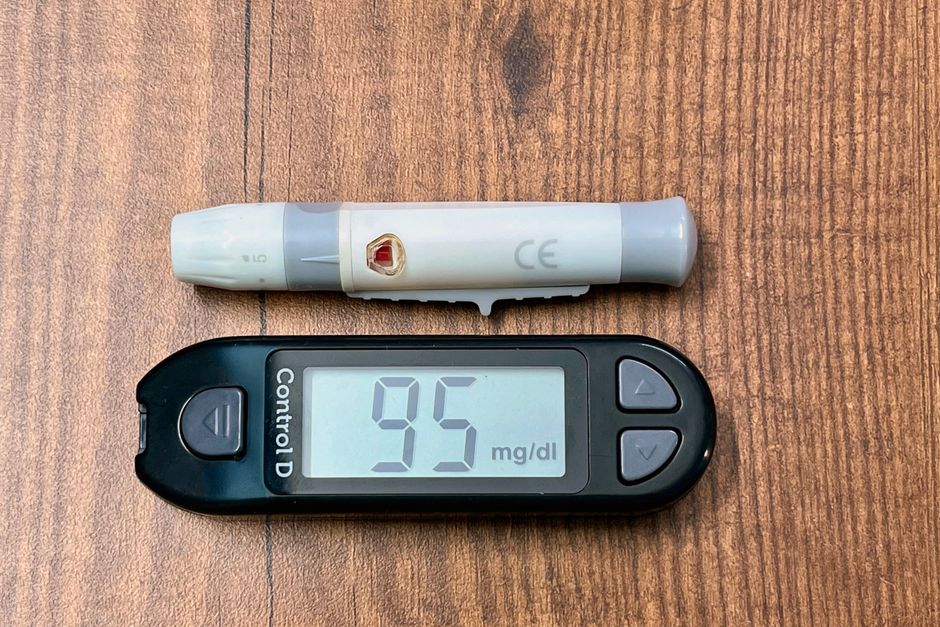
Blood sugar numbers can feel like a foreign language. But there is a clear set of normal glucose blood sugar ranges, and knowing them tells you a lot about how your body is working. For most adults without diabetes, a fasting blood sugar between 70 and 99 mg/dL is considered normal. Two hours after a meal, a normal reading is generally below 140 mg/dL. Those two numbers — one taken fasting, one taken after eating — are the foundation for everything else.
Glucose is your body’s main fuel. Every cell, from your brain to your muscles, runs on it. The problem is never that glucose exists. The problem is when it drifts too high or too low and stays there. The ranges below come from widely used clinical standards, the same ones doctors rely on to screen for and diagnose diabetes.
What Are the Normal Glucose Blood Sugar Ranges?
Normal ranges differ depending on when you test and how you test. A fasting test, a test after eating, and a long-term average test all measure something slightly different.
| Test | Normal Range | What It Measures |
|---|---|---|
| Fasting glucose | 70–99 mg/dL | Blood sugar after at least 8 hours without eating |
| 2-hour glucose (after eating) | Below 140 mg/dL | How well your body clears sugar from a meal |
| A1C | Below 5.7% | Average blood sugar over roughly the past 2–3 months |
These three tests look at glucose from different angles. Fasting glucose shows your baseline. The after-meal test shows how your body handles a sugar load. A1C shows the big picture over time. A person can have a normal fasting number and still have a higher A1C, which is why doctors sometimes order more than one test.
One detail people often miss: a single normal reading does not guarantee normal glucose all day. Blood sugar changes constantly in response to food, activity, stress, sleep, and hormones. A number is a snapshot, not a verdict.
What Is Prediabetes and Where Does It Fall on the Range?
Prediabetes sits between normal and diabetes. It is not a disease in the way type 2 diabetes is, but it is a warning that glucose control is slipping.
- Fasting glucose of 100–125 mg/dL is considered prediabetes.
- A 2-hour glucose of 140–199 mg/dL is considered prediabetes.
- An A1C of 5.7% to 6.4% is considered prediabetes.
Diabetes is diagnosed at a fasting glucose of 126 mg/dL or higher, a 2-hour glucose of 200 mg/dL or higher, or an A1C of 6.5% or higher. These thresholds are standard and widely used.
Prediabetes matters because it is common and often reversible. Research consistently shows that lifestyle changes — losing a modest amount of weight, moving more, and improving diet — can bring glucose back into the normal range for many people. Not everyone with prediabetes progresses to diabetes, and some people return to normal without any intervention. That said, without changes, the risk of progression is real.
A note on the word “reversible.” It is accurate for many people but not a guarantee for everyone. Genetics, age, and other health conditions all play a role.
Why Does Blood Sugar Rise After Eating?
Blood sugar rises after every meal. That is normal and expected. The question is how quickly and how well it comes back down.
When you eat carbohydrates, your digestive system breaks them into glucose, which enters the bloodstream. In response, the pancreas releases insulin. Insulin acts like a key, letting glucose move out of the blood and into cells for energy or storage. As glucose leaves the blood, levels fall back toward baseline.
In people with normal glucose control, this system works smoothly. Blood sugar may rise after a meal but returns to normal within about two hours. In people with insulin resistance, cells respond poorly to insulin. The pancreas works harder to compensate. Over time, it may not keep up, and glucose stays elevated.
This is the core mechanism behind type 2 diabetes. It develops slowly, often over years, which is why many people have it for a long time before noticing anything.



What Causes Blood Sugar to Go Too High or Too Low?
High and low blood sugar have different causes and different meanings.
High blood sugar (hyperglycemia) most often reflects a problem with insulin — either the body is not making enough, or cells are not responding well to it. It can also rise temporarily from illness, infection, certain medications, or major stress. Persistent high glucose is the concern, not a single spike.
Low blood sugar (hypoglycemia) is defined as below 70 mg/dL. In people without diabetes, it is uncommon. When it does happen, it is usually linked to skipped meals, heavy alcohol use, or certain medical conditions. In people who take insulin or some diabetes medications, low blood sugar is a more frequent and serious risk.
Low blood sugar symptoms can include shakiness, sweating, confusion, and a rapid heartbeat. Severe cases can cause fainting or seizures. Anyone taking glucose-lowering medication should know how to recognize and treat low blood sugar, because it can become dangerous quickly.
Do Normal Ranges Differ by Age or Pregnancy?
Yes. Normal glucose ranges are not identical for everyone.
For adults, the standard ranges above apply to most people. For older adults, some clinicians accept slightly higher targets, because the risk of low blood sugar from tight control can outweigh the benefits. This is a clinical judgment, not a fixed rule.
Pregnancy is different. The body’s insulin needs change, and gestational diabetes can develop even in people with no prior history. Screening usually happens between 24 and 28 weeks of pregnancy, though timing can vary based on risk factors. The glucose thresholds used to diagnose gestational diabetes differ from those for the general adult population, and they are set by obstetric guidelines rather than the standard adult cutoffs.
For children, normal ranges are broadly similar to adults, but interpretation depends on age and growth stage. No single universal number fits every child. A pediatrician evaluates results in context.
If you are pregnant, breastfeeding, or managing a child’s health, follow the guidance of your clinician rather than applying adult ranges on your own.
How Do You Know If Your Blood Sugar Is Normal?
The only way to know is to test. Symptoms are unreliable, especially early on. Many people with prediabetes and even early type 2 diabetes feel completely fine.
Common screening tests include:
- Fasting glucose — a simple blood draw after not eating for at least 8 hours.
- A1C — a blood test that reflects average glucose over the past few months. It does not require fasting.
- Oral glucose tolerance test — you drink a sugary solution, and glucose is measured before and two hours after.
Routine screening is generally recommended for adults starting around age 35, and earlier for people with risk factors such as a family history of diabetes, higher body weight, or certain ethnic backgrounds. Screening may be repeated every few years if results are normal.
If you have risk factors or notice possible symptoms — increased thirst, frequent urination, unexplained fatigue, or blurred vision — it is worth asking your doctor about testing. These symptoms can have other causes, so a test is the only way to know.
What Affects Blood Sugar Besides Food?
Food is the biggest driver, but it is not the only one. Several everyday factors shift glucose up or down.
- Physical activity — muscles use glucose during movement, which can lower blood sugar. Intense exercise can briefly raise it due to stress hormones.
- Stress — the body releases hormones like cortisol that raise glucose as part of the fight-or-flight response.
- Sleep — poor or short sleep is linked to worse glucose control over time.
- Illness and infection — the body’s immune response can push glucose higher.
- Medications — some drugs, including certain steroids, can raise blood sugar.
- Alcohol — can cause blood sugar to drop, especially if drinking on an empty stomach.
This is why a single high reading is not automatically alarming. Context matters. One reading after a stressful week or a sleepless night tells a different story than a pattern of high readings over months.
What Do the Numbers Actually Tell You?
Glucose numbers are a tool, not a label. A normal result means your body is currently managing blood sugar well. A result in the prediabetes range means there is room to improve, and often a real opportunity to do so. A result in the diabetes range means it is time to work with a doctor on a plan.
What the numbers cannot do is tell you your future on their own. They are one piece of a larger picture that includes your overall health, family history, lifestyle, and how your body responds over time.
The takeaway is simple. Fasting glucose of 70–99 mg/dL, a 2-hour reading below 140 mg/dL, and an A1C below 5.7% are the normal targets. Knowing where you fall gives you information you can act on — with your doctor, not instead of your doctor.
Frequently Asked Questions
What is a normal blood sugar level after eating?
For most adults without diabetes, a normal blood sugar two hours after eating is below 140 mg/dL. Readings between 140 and 199 mg/dL fall into the prediabetes range.
Is 7.0 mmol/L a normal blood sugar?
It depends on timing. A fasting level of 7.0 mmol/L (about 126 mg/dL) is at the diabetes threshold, while a reading two hours after eating at that level is within the prediabetes range.
Can blood sugar be normal one day and high the next?
Yes, blood sugar naturally shifts with food, stress, sleep, illness, and activity. A single high reading does not mean diabetes, but a pattern of high readings should be checked by a doctor.
What is a normal A1C for someone without diabetes?
A normal A1C is below 5.7%. An A1C of 5.7% to 6.4% indicates prediabetes, and 6.5% or higher indicates diabetes.
