
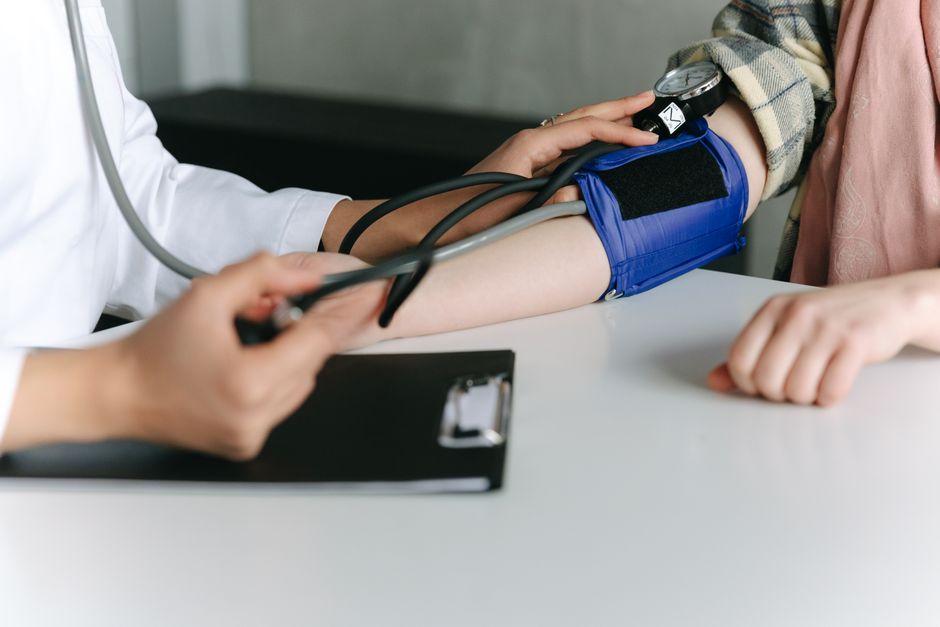
Low blood pressure, also called hypotension, is not always a problem. Many healthy people walk around with readings like 90/60 and feel perfectly fine. The symptoms you need to watch for appear when blood pressure drops enough that your brain and other vital organs are not getting enough oxygen-rich blood. This typically causes dizziness, lightheadedness, or fainting, especially when you stand up quickly. If you experience these symptoms along with confusion, blurred vision, or nausea, it is time to pay attention and figure out what is causing the drop.
What Are the Most Common Low Blood Pressure Symptoms?
The classic signs of low blood pressure are easy to recognize once you know them. Dizziness and lightheadedness top the list. Many people describe it as feeling like the room is spinning or like they might pass out.
Other common symptoms include:
- Blurred or fading vision
- Nausea
- Fatigue or unusual weakness
- Difficulty concentrating or feeling mentally foggy
- Cold, clammy, pale skin
- Rapid or shallow breathing
- Thirst
Fainting, medically called syncope, happens when the drop in blood pressure is sudden or severe. You lose consciousness briefly because the brain is not getting enough blood. This is not normal and should be evaluated by a doctor, especially if it happens more than once.
What Causes Blood Pressure to Drop Suddenly?
Blood pressure is not a fixed number. It changes throughout the day based on your position, activity level, stress, and what you eat or drink. A sudden drop usually falls into one of a few categories.
Orthostatic hypotension is the most common cause. This happens when you stand up from sitting or lying down and your blood pressure falls within a few minutes. Normally, your body quickly adjusts to gravity by tightening blood vessels and slightly increasing heart rate. When that response is delayed or weak, blood pools in your legs and your blood pressure drops.
Dehydration is another frequent trigger. When you do not drink enough fluids, your blood volume decreases. Less blood means lower pressure. This is especially common in hot weather, after intense exercise, or during an illness that causes vomiting or diarrhea.
Blood loss from an injury or internal bleeding can also cause a rapid drop. This is a medical emergency. So is septic shock, where a severe infection causes blood vessels to widen dramatically and blood pressure falls to dangerous levels.
How Do I Know If My Blood Pressure Is Too Low?
Doctors generally consider blood pressure low when the top number (systolic) is below 90 or the bottom number (diastolic) is below 60. But these numbers alone do not tell the whole story.
The real question is whether you have symptoms. A reading of 85/55 in a healthy athlete who feels great is not a concern. The same reading in someone who feels dizzy, confused, or weak is a different situation entirely.
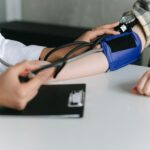
If you measure your blood pressure at home and get a low reading, do not panic. Sit down, rest for five minutes, and take it again. Check it in the other arm. If it stays low and you feel symptoms, contact your doctor. If you faint, feel confused, or have chest pain, seek emergency care immediately.

When Should Low Blood Pressure Be Treated?
Treatment depends entirely on the cause. If you are healthy and have no symptoms, no treatment is needed. Low blood pressure in this situation is actually associated with a lower risk of heart disease and stroke in some studies.
When symptoms are present and caused by dehydration, increasing fluid intake often resolves the problem. Electrolyte drinks can help replace sodium and potassium lost through sweat. But do not overdo salt supplementation without talking to a doctor first.
If medications are causing low blood pressure, a doctor may adjust the dose or switch to a different drug. This is common with blood pressure medications, diuretics, and some antidepressants. Never stop or change a prescription medication on your own.
For chronic orthostatic hypotension, some clinicians recommend physical counter-maneuvers like crossing your legs while standing or rising slowly from a chair. Compression stockings can also help by preventing blood from pooling in the lower legs. These strategies are widely used in clinical practice, though the evidence base for each varies.
What Are the Warning Signs of a Medical Emergency?
Most low blood pressure is manageable and not dangerous. But some situations require immediate medical attention.
Call emergency services or go to an emergency room if low blood pressure is accompanied by:
- Confusion or disorientation
- Loss of consciousness that lasts more than a few seconds
- Chest pain or shortness of breath
- Black or bloody stool, which can indicate internal bleeding
- High fever above 101°F with chills and shaking
- Vomiting that will not stop
These symptoms can indicate shock, internal bleeding, a heart attack, or a severe infection. Do not wait to see if they improve. This is not a situation where home remedies apply.
Can Low Blood Pressure Be a Sign of an Underlying Condition?
Yes. When low blood pressure is persistent and not explained by medications or dehydration, it can point to other health issues.
Heart conditions such as bradycardia (very slow heart rate), heart valve problems, or heart failure can reduce the heart’s ability to pump blood effectively. Endocrine disorders like Addison’s disease, low thyroid function, or low blood sugar can also cause hypotension.
Nerve damage from diabetes or Parkinson’s disease can interfere with the body’s ability to regulate blood pressure. This is why people with these conditions often experience dizziness when they stand up.
Pregnancy commonly causes low blood pressure, especially in the first and second trimesters. The circulatory system expands during pregnancy, which naturally lowers pressure. This is usually harmless but should be monitored by a prenatal care provider.
How Is Low Blood Pressure Diagnosed?
Diagnosis starts with a simple blood pressure reading. But one reading is rarely enough. Your doctor will likely take multiple readings over time and in different positions.
You may be asked to lie flat, then stand, with blood pressure measured at each stage. A drop in systolic pressure of 20 mmHg or more within three minutes of standing suggests orthostatic hypotension.
Further testing depends on your symptoms and medical history. Blood tests can check for anemia, blood sugar issues, or thyroid problems. An electrocardiogram (ECG) can assess heart rhythm. A tilt table test may be used if fainting is a recurring problem — this test involves lying on a table that tilts you upright while your heart rate and blood pressure are monitored continuously.
Can Lifestyle Changes Help Prevent Low Blood Pressure Symptoms?
For many people, yes. Simple habits can reduce the frequency and severity of symptoms, especially if dehydration or prolonged standing triggers your drops.
Drink enough water throughout the day. The general recommendation is about eight 8-ounce glasses daily, but needs vary with climate, activity level, and body size. If you are prone to dizziness after standing, drink a glass of water before getting out of bed in the morning.
Rise slowly from lying or sitting positions. Give your body time to adjust to gravity. When you get out of bed, sit on the edge for a minute before standing.
Eat smaller, more frequent meals. Large meals direct blood flow to your digestive system, which can cause blood pressure to drop afterward — a condition called postprandial hypotension. This is most common in older adults.
Limit alcohol. Alcohol widens blood vessels and can lower blood pressure for hours after drinking.
Frequently Asked Questions
What is considered dangerously low blood pressure?
Readings below 90/60 are considered low, but danger depends on symptoms. If you feel dizzy, faint, confused, or have chest pain with a low reading, seek emergency care.
Can low blood pressure cause a heart attack?
Low blood pressure itself does not cause a heart attack. However, a sudden drop can be a sign of an ongoing heart attack or other serious heart problem and requires immediate medical evaluation.
How fast can I raise my blood pressure at home?
Drinking water and lying down with your legs elevated can help raise blood pressure within minutes. If you feel faint or confused, do not try to manage it at home — get emergency help.
Is low blood pressure more dangerous than high blood pressure?
Neither is universally more dangerous. High blood pressure causes silent damage over years, while low blood pressure causes immediate symptoms. Both need evaluation by a doctor to determine the underlying cause.
