

Solifenacin is a prescription medication used to treat overactive bladder symptoms like urgency, frequency, and urge incontinence. It belongs to a class of drugs called antimuscarinics. The short answer is yes, solifenacin can affect blood pressure, but not in the way most people expect. It does not typically raise blood pressure as a primary side effect. Instead, the main cardiovascular concern is a slight increase in heart rate, which can indirectly influence blood pressure in some people. The effect is usually small and rarely clinically significant for healthy individuals, but it is a legitimate consideration for people with existing heart conditions.
How Does Solifenacin Work in the Body?
Solifenacin works by blocking muscarinic receptors in the bladder muscle. This action reduces involuntary bladder contractions, which helps control urgency and frequency. The drug is selective for the bladder, but it does not completely ignore other muscarinic receptors found elsewhere in the body.
One of those other locations is the heart. Muscarinic receptors in the heart normally help slow the heart rate. When solifenacin blocks those receptors, the heart’s natural braking system is partially disabled. This can lead to a mild increase in resting heart rate, a condition called tachycardia.
This effect is not unique to solifenacin. It is a class effect shared by all antimuscarinic medications. The degree of heart rate increase depends on the specific drug and the dose. For solifenacin, the effect is generally modest at standard therapeutic doses.
Can Solifenacin Cause Blood Pressure Side Effects?
Solifenacin does not have a direct, well-documented effect on blood pressure levels. Clinical trials and post-marketing data do not list hypertension or hypotension as common side effects. The medication works on the bladder and heart rate, not on the blood vessels themselves.
However, an increase in heart rate can have a secondary effect on blood pressure. When the heart beats faster, it pumps more blood per minute. This can raise systolic blood pressure slightly in some individuals. The effect is usually temporary and small. For most people with normal blood pressure, this change is not noticeable and does not require treatment.
For people with pre-existing heart conditions, the situation is different. Conditions like coronary artery disease, heart failure, or arrhythmias can make the heart more sensitive to changes in rate. In these cases, even a modest heart rate increase could potentially worsen symptoms like chest pain, shortness of breath, or palpitations. Blood pressure changes in these individuals are more likely to be secondary to the underlying condition rather than a direct drug effect.
Who Is at Higher Risk for Cardiovascular Side Effects?
Certain populations need to be more careful with solifenacin. The medication label and clinical guidance identify specific groups where caution is warranted.
People with a history of QT prolongation are at increased risk. QT prolongation is an abnormality in the heart’s electrical activity that can lead to serious arrhythmias. Solifenacin can prolong the QT interval slightly, and this effect is dose-dependent. Higher doses carry a greater risk.
Individuals with uncontrolled high blood pressure or significant heart disease should discuss the risks and benefits with their doctor before starting solifenacin. The drug is not contraindicated in these patients, but it requires monitoring. A doctor may recommend checking heart rate and blood pressure after starting the medication to see how the individual responds.
Older adults are another group to watch. Age-related changes in heart function and the frequent use of multiple medications can increase sensitivity to solifenacin’s cardiovascular effects. Falls and dizziness from blood pressure changes are a particular concern in this population.


What Does the Research Show About Blood Pressure Changes?
Clinical studies on solifenacin have not shown a consistent or significant effect on blood pressure. In randomized controlled trials, blood pressure readings remained stable in most participants. The drug was generally well tolerated from a cardiovascular standpoint.
Some research suggests that the heart rate increase is the more consistent finding. Studies have reported average increases in resting heart rate of a few beats per minute. This change is usually not symptomatic and does not require intervention in healthy individuals.
There is limited data on solifenacin in people with severe cardiovascular disease. Most clinical trials excluded patients with poorly controlled heart conditions. This means the evidence base for safety in this specific population is thinner. Clinicians rely on clinical judgment and individual patient assessment when prescribing for these cases.
One important note: solifenacin has not been associated with sudden drops in blood pressure or orthostatic hypotension. This is different from some other bladder medications that can cause dizziness upon standing. If a patient experiences significant blood pressure changes while taking solifenacin, other causes should be investigated.
What Side Effects Should You Actually Watch For?
Blood pressure changes are not the main concern with solifenacin. The most common side effects are related to its antimuscarinic action in other parts of the body. These include:
- Dry mouth — the most frequently reported side effect, affecting a significant number of users
- Constipation — occurs because the drug slows gastrointestinal motility
- Blurred vision — caused by effects on the eye’s focusing muscles
- Urinary retention — the drug can make it difficult to fully empty the bladder
- Heat intolerance and reduced sweating — antimuscarinics can impair the body’s ability to cool itself
Palpitations or a feeling of a racing heart can occur but are less common. If these symptoms are persistent or bothersome, they should be reported to a healthcare provider. The same applies to any new dizziness, lightheadedness, or fainting episodes.
These side effects are dose-related. Starting at the lowest effective dose and increasing gradually can help minimize them. Solifenacin is available in 5 mg and 10 mg doses. Many people do well on 5 mg, and the higher dose is reserved for those who need additional symptom control.
How Should Blood Pressure Be Monitored While Taking Solifenacin?
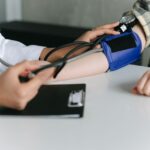
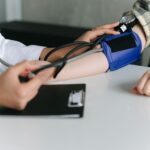
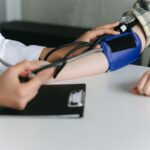
For healthy people without cardiovascular risk factors, routine blood pressure monitoring is not strictly necessary. The medication’s effect on blood pressure is minimal in this group. However, checking blood pressure at home a few times after starting the medication is a reasonable precaution.
For people with known heart conditions or high blood pressure, more regular monitoring is appropriate. A doctor might recommend checking blood pressure and heart rate within the first few weeks of starting treatment. This establishes a baseline for how the individual responds to the medication.
If a patient notices persistent changes in blood pressure readings, dizziness, or palpitations, they should contact their healthcare provider. The doctor can assess whether the medication is the cause or whether another factor is at play. In some cases, the dose can be adjusted. In others, a different bladder medication may be more suitable.
There are alternative medications for overactive bladder with different side effect profiles. Mirabegron, for example, is a beta-3 agonist that works differently from antimuscarinics. It can raise blood pressure, so it is not necessarily a safer option for everyone. The choice of medication depends on the individual’s overall health, other medications, and specific bladder symptoms.
When Should You Seek Medical Attention?
Most people taking solifenacin will not experience cardiovascular problems. But certain symptoms warrant prompt medical evaluation. These include chest pain, severe dizziness, fainting, or a heart rate that feels unusually fast or irregular.
These symptoms are not common with solifenacin, but they should not be ignored. They could indicate an underlying heart issue that was previously undetected. They could also result from an interaction with another medication.
Solifenacin is processed by the liver through a specific enzyme pathway. Medications that inhibit this enzyme can increase solifenacin levels in the blood. Higher drug levels increase the risk of all side effects, including cardiovascular ones. Ketoconazole, an antifungal, and some antibiotics can interact this way. Patients should always provide a complete medication list to their doctor.
Frequently Asked Questions
Does solifenacin raise blood pressure?
Solifenacin does not directly raise blood pressure in most people. A mild increase in heart rate can occur, which may slightly affect blood pressure in some individuals, but this is usually not clinically significant.
Can solifenacin cause dizziness?
Dizziness can occur but is not one of the most common side effects. It is more likely related to dehydration, other medications, or an underlying condition than to a direct blood pressure effect from solifenacin.
Is solifenacin safe for people with heart disease?
Solifenacin can be used in people with heart disease, but it requires caution and monitoring. Patients with QT prolongation, heart failure, or significant arrhythmias should discuss the risks with their doctor before starting treatment.
What should I do if I notice heart palpitations on solifenacin?
Report palpitations to your healthcare provider, especially if they are persistent or accompanied by dizziness or chest discomfort. Your doctor may adjust the dose, monitor your heart rhythm, or consider a different medication.
