
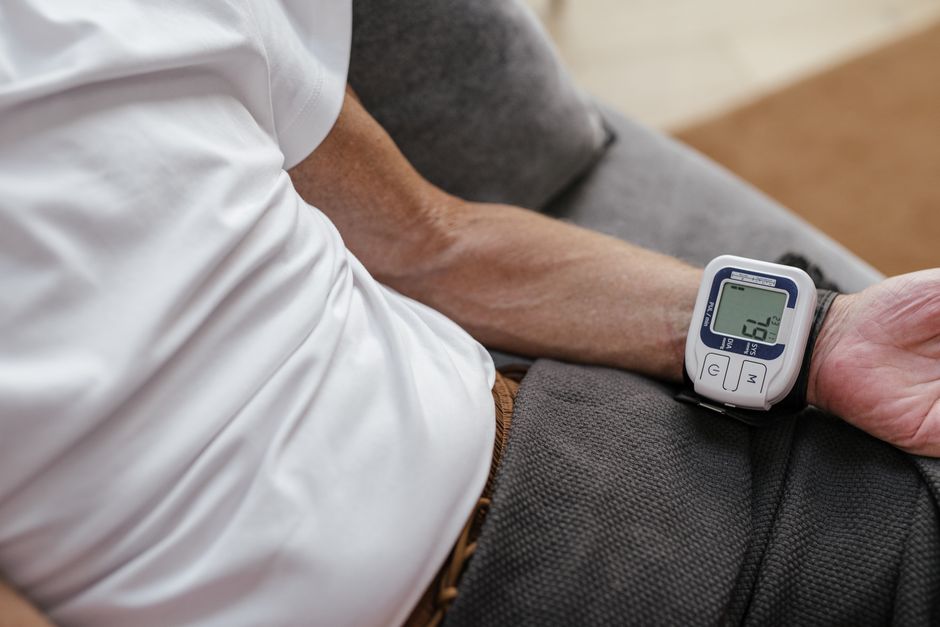
Diastolic blood pressure is the bottom number in a blood pressure reading. It measures the pressure in your arteries when your heart rests between beats. A normal diastolic reading is below 80 mmHg. If your diastolic number is consistently below 60 mmHg, you may have what doctors call isolated diastolic hypotension. Raising it safely starts with understanding why it is low, because the right approach depends entirely on the cause. For most people, the fix involves addressing dehydration, medication side effects, or an underlying condition — not simply eating more salt.
What Does a Low Diastolic Reading Actually Mean?
A blood pressure reading has two numbers. The top number is systolic pressure, the force when your heart contracts. The bottom number is diastolic pressure, the force when your heart relaxes and refills with blood. Both matter, but they tell different stories about your cardiovascular system.
Diastolic pressure reflects the resistance in your blood vessels when your heart is at rest. When this number drops too low, it can mean your arteries are not maintaining enough pressure between beats. This can reduce blood flow to your heart muscle itself, since the heart’s own blood vessels fill during diastole.
Clinical guidelines generally define low diastolic pressure as below 60 mmHg. Some people feel fine at this level. Others experience dizziness, fatigue, or fainting. The danger is that consistently low diastolic pressure can reduce blood flow to vital organs, particularly the heart and brain.
Why Is Your Diastolic Number Low?
Low diastolic pressure has several common causes. The most frequent is dehydration. When your blood volume drops, pressure in your arteries drops too. This affects both numbers, but diastolic pressure often falls first.
Medications are another major cause. Blood pressure medications, diuretics, and some antidepressants can lower diastolic pressure significantly. If you take these medications and your diastolic number is low, the dose may need adjustment. Never change a medication dose on your own. That decision belongs to your doctor.
Age also plays a role. As arteries stiffen with age, systolic pressure tends to rise while diastolic pressure can fall. This creates a wide pulse pressure — the difference between the two numbers. Some research suggests this pattern is common in older adults and may increase cardiovascular risk, though the evidence is still being studied.
Less common causes include heart valve problems, thyroid disorders, and autonomic nervous system dysfunction. Pregnancy can also cause low blood pressure, especially in the first two trimesters. If your diastolic pressure is low and you are pregnant, discuss it with your obstetrician.
How To Bring Up Diastolic Blood Pressure Safely: Start With Fluids
Dehydration is the most correctable cause of low diastolic pressure. If you have not been drinking enough water, your blood volume drops and your pressure follows. Increasing fluid intake is the first step most doctors recommend.
Water is the safest choice. Aim for enough fluids that your urine is light yellow or clear. Dark urine is a sign you need more fluids. For most adults, this means roughly 8 to 10 cups of fluid per day, though needs vary with activity level, climate, and body size.
Electrolytes matter too. Sodium helps your body retain water, which supports blood volume. But adding salt without medical guidance is risky, especially if you have heart disease, kidney disease, or high systolic pressure. Some clinicians recommend a modest increase in salt for people with low blood pressure and no other health conditions. Others advise against it. The evidence does not support a one-size-fits-all approach.
A safer approach is to focus on balanced hydration. Sports drinks or oral rehydration solutions can help if you have been sweating heavily or ill. But for everyday hydration, plain water plus a normal diet is usually sufficient.



Diet Adjustments That May Help Raise Diastolic Pressure
Food choices can influence blood pressure, though the effects are modest. Eating smaller, more frequent meals can help. Large meals redirect blood to your digestive system, which can temporarily lower blood pressure afterward — a condition called postprandial hypotension.
Caffeine is worth discussing with your doctor. Caffeine temporarily raises blood pressure by constricting blood vessels. For someone with low diastolic pressure, a morning coffee might provide a mild, short-term lift. But regular caffeine consumption can lead to tolerance, reducing its effect over time. It is not a reliable long-term strategy.
Vitamin B12 and folate deficiencies can contribute to anemia, which can lower blood pressure. If your diet is limited or you have a condition that affects nutrient absorption, ask your doctor about testing for these deficiencies. Treating an underlying deficiency is safer than trying to raise blood pressure directly.
Alcohol has the opposite effect. It dilates blood vessels and can lower blood pressure for hours after consumption. If your diastolic pressure is low, reducing or eliminating alcohol is a reasonable step.
When Medications Are the Cause
If you take blood pressure medication and your diastolic number is low, your doctor may need to adjust your prescription. This is common, especially in older adults whose blood pressure patterns change over time.
Some medications lower diastolic pressure more than others. Diuretics reduce blood volume. Alpha-blockers and some calcium channel blockers relax blood vessels. Both effects can drop diastolic pressure. Your doctor may lower your dose, change the timing of your dose, or switch you to a different medication class.
Do not stop taking blood pressure medication because your reading seems low. Stopping abruptly can cause a dangerous rebound spike in blood pressure. Always work with your doctor to find the right balance.
If you take over-the-counter medications, check whether they affect blood pressure. Some decongestants raise blood pressure. Some pain relievers, particularly NSAIDs, can cause fluid retention. These effects are complex and vary by person. Review all medications and supplements with your doctor or pharmacist.
Lifestyle Changes That Support Healthy Blood Pressure
Regular physical activity helps regulate blood pressure over time. Aerobic exercise strengthens the heart, making it more efficient at pumping blood. This can improve both systolic and diastolic readings. Start slowly if you are not currently active. Walking, swimming, and cycling are good options.
Compression stockings can help in specific cases. They prevent blood from pooling in your legs, which can occur when you stand for long periods. This pooling reduces the amount of blood returning to your heart, which lowers blood pressure. Compression stockings are not for everyone, but some clinicians recommend them for people with orthostatic hypotension — a drop in pressure when standing up.
Rising slowly from sitting or lying positions can prevent dizziness from orthostatic hypotension. This is not a treatment for low blood pressure itself, but it reduces the risk of falls and fainting episodes.
Sleep matters. Poor sleep quality and sleep deprivation can affect blood pressure regulation. If you have sleep apnea, treating it may improve your blood pressure readings. Discuss sleep concerns with your doctor.
When Low Diastolic Pressure Requires Medical Attention
Some symptoms warrant prompt medical evaluation. Seek care if you experience fainting, severe dizziness, chest pain, shortness of breath, or confusion. These can indicate that low blood pressure is compromising blood flow to your heart or brain.
A single low reading is rarely a concern. Blood pressure fluctuates throughout the day. It is lower during sleep, after meals, and when you are relaxed. It is higher during activity, stress, and pain. Your doctor looks at patterns over time, not individual readings.
If you monitor your blood pressure at home, take readings at the same time each day. Sit quietly for five minutes before measuring. Use a validated cuff that fits your arm properly. Record your readings and share them with your doctor at your next visit.
For people with heart disease, low diastolic pressure requires careful monitoring. The heart muscle receives its blood supply during diastole. If diastolic pressure is too low, blood flow to the heart can be compromised. This is why aggressive blood pressure lowering in older adults with coronary artery disease is sometimes reconsidered.
What the Evidence Does and Does Not Support
The evidence for raising diastolic blood pressure specifically is limited. Most research focuses on lowering high blood pressure. There are no large clinical trials that establish a specific target for raising low diastolic pressure in otherwise healthy people.
Some research suggests that both too-high and too-low diastolic pressure may be associated with increased cardiovascular risk. This is sometimes described as a J-shaped curve. But the evidence is not conclusive, and researchers continue to debate whether low diastolic pressure itself causes harm or simply reflects underlying disease.
Given this uncertainty, treatment focuses on symptoms and underlying causes. If you feel fine and your low diastolic pressure is an isolated finding, your doctor may recommend monitoring without intervention. If you have symptoms, addressing the cause — dehydration, medication, or an underlying condition — is the priority.
Be wary of supplements or products that claim to raise blood pressure. No supplement has been proven to safely and effectively raise diastolic pressure in clinical trials. Marketing claims in this area generally outpace the evidence.
Frequently Asked Questions
What diastolic number is considered too low?
A diastolic reading below 60 mmHg is generally considered low. Whether it requires treatment depends on your symptoms and overall health.
Can drinking more water raise diastolic blood pressure?
Yes, if dehydration is the cause, increasing fluid intake can raise blood pressure by restoring blood volume. Water is the safest choice for most people.
Is low diastolic blood pressure dangerous?
It can be if it causes symptoms like fainting or if you have heart disease. For many people, a low diastolic reading without symptoms is not dangerous, but it should be monitored by a doctor.
Should I add more salt to my diet to raise my blood pressure?
Only if your doctor recommends it. Adding salt can be risky for people with heart or kidney conditions, so this decision should be made with medical guidance.
