
Your blood carries more than just red and white blood cells. It also carries proteins that do essential jobs. Two of the most important groups are albumin and globulins. These proteins help move nutrients, fight infections, and keep fluid in your blood vessels. When doctors order a blood test called a total protein test, they are looking at these two groups. The test measures albumin and globulin levels to check your liver, kidneys, and immune system. Understanding what these proteins are and what your levels mean can help you make sense of your lab results.
What Are Albumin And Globulin Blood Proteins Explained
Albumin and globulins are the two main types of protein found in your blood plasma. Albumin makes up about 60% of the total protein in your blood. It is made in the liver and acts like a delivery truck. It carries hormones, vitamins, and medications through your bloodstream. Albumin also helps keep fluid from leaking out of your blood vessels into your tissues.
Globulins make up the other 40%. They are a diverse group of proteins. Some globulins are made in the liver. Others are made by immune cells. Globulins include antibodies that fight infections. They also include proteins that carry iron and other substances. Together, albumin and globulins give doctors a broad picture of your health.
What Is the Albumin Globulin Ratio?
The albumin globulin ratio, often called the A/G ratio, compares the amount of albumin to the amount of globulins in your blood. This ratio helps doctors interpret your protein levels. A normal ratio is usually slightly above 1. That means you have more albumin than globulins.
Doctors do not use the A/G ratio alone to diagnose anything. It is a clue. If the ratio is low, it means globulins are high, albumin is low, or both. If the ratio is high, it means you have more albumin relative to globulins. The ratio guides your doctor toward specific follow-up tests.
What Causes Low Albumin Levels?
Low albumin is a common finding on blood tests. It often points to issues with the liver or kidneys. Your liver makes albumin. If your liver is damaged, it may not produce enough. Conditions like cirrhosis or hepatitis can lower albumin production.
Your kidneys can also cause low albumin. Healthy kidneys keep albumin in your blood. Damaged kidneys may let albumin leak into your urine. This is a hallmark of kidney disease. Doctors often check urine for albumin to assess kidney health.
Low albumin can also come from poor nutrition. If you do not eat enough protein, your body cannot build albumin. Severe inflammation or infection can also lower albumin levels. Even long hospital stays can cause a drop. In many cases, low albumin is a marker of overall illness rather than a specific disease.




What Do High Globulin Levels Mean?
High globulin levels usually point to inflammation or immune system activity. When your body fights an infection, it produces more antibodies. Antibodies are a type of globulin. Chronic inflammatory conditions can also raise globulin levels. These include rheumatoid arthritis and lupus.
Some blood cancers cause very high globulin levels. Multiple myeloma is one example. This cancer affects plasma cells, which produce antibodies. The abnormal cells make large amounts of one specific antibody. This shows up as a spike in globulin levels.
Liver disease can also raise globulins. When the liver is damaged, it may produce more globulins while making less albumin. This combination drives the A/G ratio down. High globulins alone do not diagnose a specific condition. They signal that something is activating your immune system or causing inflammation.
What Is the Total Protein Test?
The total protein test measures all the protein in your blood. It combines albumin and globulins into one number. This test is often part of a comprehensive metabolic panel. That panel is a routine blood test many people get during annual physicals.
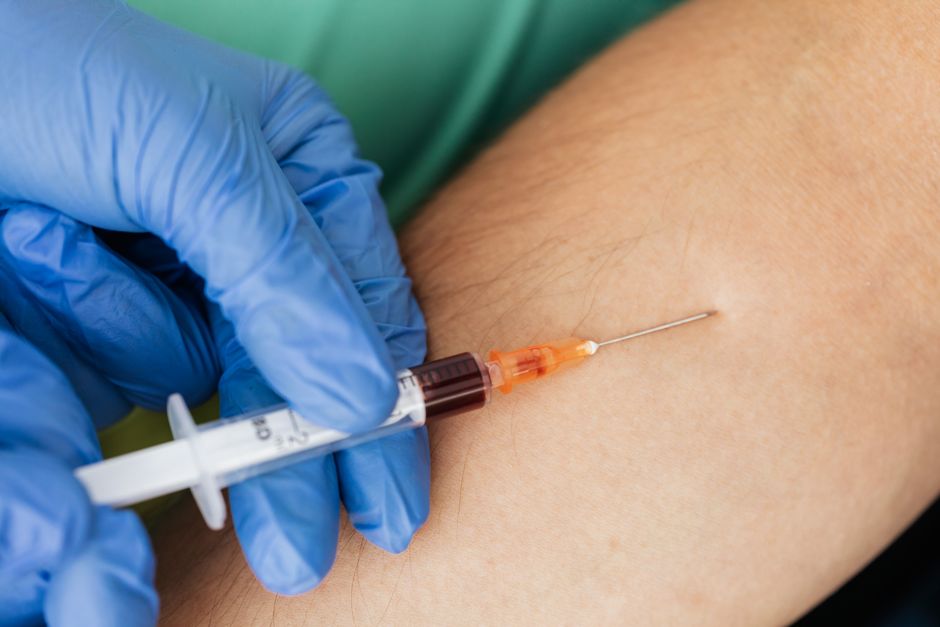
The test itself is simple. A healthcare provider draws blood from a vein in your arm. The sample goes to a lab for analysis. You usually do not need to fast before this test. Your doctor may order it if you have symptoms like unexplained weight loss, fatigue, or swelling.
Total protein results come with a reference range. Normal ranges can vary slightly between labs. In general, total protein falls between 6.0 and 8.3 grams per deciliter. Albumin normally ranges from 3.5 to 5.0 grams per deciliter. Globulins make up the rest. Your lab report will list the specific ranges for that lab.
| Protein Component | Typical Normal Range (g/dL) | What It Does |
|---|---|---|
| Total Protein | 6.0 – 8.3 | Overall measure of blood protein |
| Albumin | 3.5 – 5.0 | Carries substances, maintains fluid balance |
| Globulins | 2.0 – 3.5 | Fights infection, transports substances |
What Happens If Your Protein Levels Are Abnormal?
An abnormal result does not mean you have a disease. Many factors can temporarily affect protein levels. Dehydration can falsely raise protein levels because your blood becomes more concentrated. Pregnancy can lower albumin levels naturally. Certain medications can also affect results.
Your doctor will look at your symptoms and other lab values before drawing conclusions. If albumin is low, they may order liver function tests. If globulins are high, they may order a protein electrophoresis test. This test separates the different types of globulins. It helps identify which specific protein is elevated.
In some cases, doctors repeat the test after a few weeks. This shows whether the change is persistent or temporary. A single abnormal value is rarely enough to diagnose anything. The pattern over time matters more.
Can Diet Change Your Protein Levels?
Diet affects albumin levels more than globulin levels. Severe protein deficiency can lower albumin. This is rare in the United States. Most Americans get enough protein from food. However, people with eating disorders, malabsorption issues, or very restricted diets may develop low albumin.
Eating more protein will not raise your albumin if the problem is your liver or kidneys. If your liver cannot make albumin, extra dietary protein will not help. If your kidneys are leaking albumin, the protein leaves your body no matter how much you eat. Treating the underlying condition is what matters.
Some viral claims suggest specific foods can boost globulin levels. No solid evidence supports this. Your immune system regulates globulin production based on your health needs. Diet does not directly control antibody levels in a meaningful way.
When Should You Ask Your Doctor About Protein Levels?
You should ask if you have symptoms that could relate to protein problems. These include swelling in your legs, ankles, or abdomen. This swelling can mean fluid is leaking from your blood vessels. Low albumin is a common cause.
Unexplained fatigue, weakness, or weight loss are also reasons to discuss protein levels. Frequent infections could indicate low globulins. However, these symptoms are vague. Many conditions cause them. Your doctor will use the protein test as one piece of a larger picture.
If your routine blood work shows abnormal protein levels, ask your doctor what it means. Ask whether the change is significant. Ask if you need follow-up tests. Do not try to interpret the results on your own. Context matters. Your doctor knows your medical history and can explain what the numbers mean for you.
Frequently Asked Questions
What is a normal albumin globulin ratio?
A normal A/G ratio is slightly above 1.0, meaning you have more albumin than globulins in your blood.
Can dehydration affect protein blood tests?
Yes, dehydration can falsely raise protein levels because it concentrates your blood. Rehydrating usually brings levels back to normal.
What does low albumin mean for your kidneys?
Low albumin can mean your kidneys are leaking protein into your urine. This often signals kidney damage that needs further testing.
Are high globulin levels always a sign of cancer?
No, high globulins are more often caused by infections or inflammatory conditions. Cancer is only one possible cause among many.
