

When you see a curve flattening on a graph about a disease outbreak, it means new cases are no longer climbing sharply. In glucose monitoring, a flatter curve after a meal means your blood sugar rises and falls gently instead of spiking. In both cases, the shape of the curve tells you how stable the system is—whether that system is a population fighting a virus or your body processing food.
What Does a Flattened Epidemic Curve Actually Show?
A flatter curve in an epidemic means the number of new infections is spreading more slowly over time. It does not mean the disease has disappeared. It means the rate of new cases has stopped accelerating and is leveling off.
Think of it this way: a steep curve means many people are getting sick at once. A flat curve means the same number of people may eventually get sick, but they get sick over a longer period. That slower spread matters because hospitals can treat patients without becoming overwhelmed.
Public health measures like distancing, masking, and vaccination are designed to flatten this curve. The goal is not to stop every infection. The goal is to slow transmission enough that the healthcare system can keep up.
Why a Flatter Curve Is Not a Victory Signal
A flat curve can be misleading if you look at it without context. A plateau at a high level still means many people are infected every day. It is only a success if the curve flattens at a level the healthcare system can handle.
Epidemics can also appear flat for the wrong reasons. If testing is limited, new cases may go undetected, and the curve looks artificially flat. If reporting lags, the curve may look flat today but spike tomorrow as older data catches up.
Researchers also watch the reproduction number—how many people each infected person passes the virus to. When that number is below 1, the epidemic is shrinking. When it is above 1, the epidemic is growing, even if the curve looks temporarily flat.
What a Flatter Glucose Curve Means for Your Body
When you eat carbohydrates, your blood glucose rises. How high it rises and how quickly it falls depends on the food, your insulin response, and your overall metabolic health. A flatter glucose curve means your blood sugar stays in a narrower range.
This matters because large glucose spikes followed by rapid drops can cause fatigue, hunger, and cravings. Over time, frequent large spikes can contribute to insulin resistance, a condition where your cells respond less effectively to insulin.
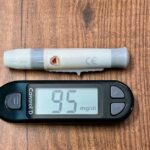
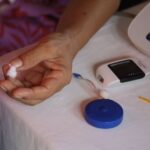
Continuous glucose monitors (CGMs) have made these curves visible to people without diabetes. Many users discover that certain foods—like white rice, sugary drinks, or refined bread—produce steep spikes, while others produce gentler rises.


What A Flatter Curve Means Epidemics And Glucose: Shared Principles
The phrase “flatten the curve” became common during the COVID-19 pandemic. The same visual logic applies to blood sugar management, and the comparison is more than a metaphor.
In an epidemic, flattening the curve reduces strain on hospitals. In glucose control, flattening the curve reduces strain on your pancreas and insulin response. Both systems have a limited capacity to handle sudden surges.
The key difference is time scale. An epidemic curve plays out over weeks and months. A glucose curve plays out over hours. But the underlying principle is identical: gradual change is easier for a biological system to manage than sudden stress.
There is also a practical overlap. People with poorly controlled blood sugar—whether from diabetes or prediabetes—are at higher risk of severe outcomes from infections. Metabolic health and immune function are connected, though the exact mechanisms are still being studied.
How to Flatten Your Post-Meal Glucose Curve
Food order matters. Eating protein, fiber, or fat before carbohydrates slows digestion and blunts the glucose rise. Some research suggests eating vegetables before the starchy part of a meal produces a smaller glucose response.
Meal composition matters more than any single trick. A meal with protein, healthy fat, and fiber will generally produce a flatter curve than the same amount of carbohydrates eaten alone. This is because fiber slows stomach emptying, and fat and protein slow carbohydrate absorption.
Physical activity after eating helps too. Light walking for 10 to 15 minutes after a meal increases glucose uptake by muscles, which can reduce the height of the post-meal spike. This effect is well documented in people with and without diabetes.
Vinegar is another option that some studies have examined. A small amount of vinegar before a high-carbohydrate meal may modestly reduce the glucose response, though the effect varies by person and the evidence is not strong enough to make it a primary strategy.
No single food is universally “good” or “bad” for glucose. Individual responses vary. Some people spike dramatically on white bread and barely respond to pasta. This variability is why CGM users are often told to test their own response rather than rely on general rules.
What the Evidence Does and Does Not Show About Flattening Glucose
Research consistently shows that reducing post-meal glucose spikes improves markers of glycemic control in people with diabetes. Studies using CGMs have also shown that glucose variability—the swings between highs and lows—correlates with inflammation and oxidative stress.
What is less clear is whether flattening glucose curves in healthy people without diabetes prevents future disease. Some researchers argue that minimizing glucose spikes may reduce the risk of developing insulin resistance over time. Others point out that the evidence for this is largely observational and that no long-term trials have confirmed it.
There is also a growing market for CGMs in people without diabetes. These devices are marketed as tools for “metabolic optimization.” That framing oversells what the data supports. CGMs can reveal patterns and help people make informed food choices, but no clinical guideline currently recommends them for healthy adults without diabetes.
Be cautious with claims that a CGM will “optimize” your health or prevent chronic disease. The device measures glucose. It does not tell you what to eat, and the long-term benefits of using one for people without diabetes have not been established in large trials.
When a Flatter Glucose Curve Could Signal a Problem
Not every flat glucose curve is healthy. If your blood sugar stays consistently low—below around 70 mg/dL—you may be experiencing hypoglycemia. This can cause dizziness, confusion, and in severe cases, loss of consciousness.
A flat curve can also result from an exaggerated insulin response. Some people produce too much insulin after eating, which drives glucose down quickly. This reactive hypoglycemia can happen two to four hours after a meal and can cause symptoms that mimic anxiety.
If you are using a CGM and notice unusually flat or low curves, discuss it with a doctor. A normal fasting glucose range is generally 70 to 99 mg/dL, and post-meal glucose typically peaks below 140 mg/dL in people without diabetes. Values outside these ranges warrant professional evaluation.
Practical Takeaways for Reading Any Curve
Whether you are looking at an epidemic curve or a glucose graph, the same questions apply. Is the trend rising, falling, or level? At what level is it flattening? And what does that level mean for the system you care about?
For epidemics, a flattened curve at a manageable level is a genuine public health win. For glucose, a flatter curve after meals generally reflects better metabolic control. Neither curve guarantees perfect outcomes, but both give you useful information about how a biological system is handling stress.
If you want to act on glucose data, start with simple changes that have strong evidence behind them. Eat fiber and protein before carbohydrates. Move after meals. Keep meals consistent from day to day. These habits are supported by decades of research and work whether or not you use a glucose monitor.
Frequently Asked Questions
What does a flatter curve mean in an epidemic?
A flatter curve means new infections are spreading more slowly, not that the disease is gone. It indicates that public health measures are slowing transmission so healthcare systems are not overwhelmed.
What does a flatter glucose curve mean after eating?
A flatter glucose curve means your blood sugar rises and falls gently after a meal instead of spiking sharply. This generally reflects better insulin sensitivity and lower metabolic stress.
Can a glucose curve be too flat?
Yes, an unusually flat or low curve can indicate hypoglycemia or an exaggerated insulin response. If you experience symptoms like dizziness or confusion after meals, consult a doctor.
Is a continuous glucose monitor worth it for people without diabetes?
CGMs can reveal how your body responds to specific foods, but no clinical guideline recommends them for healthy adults without diabetes. The long-term health benefits have not been confirmed in large trials.
