
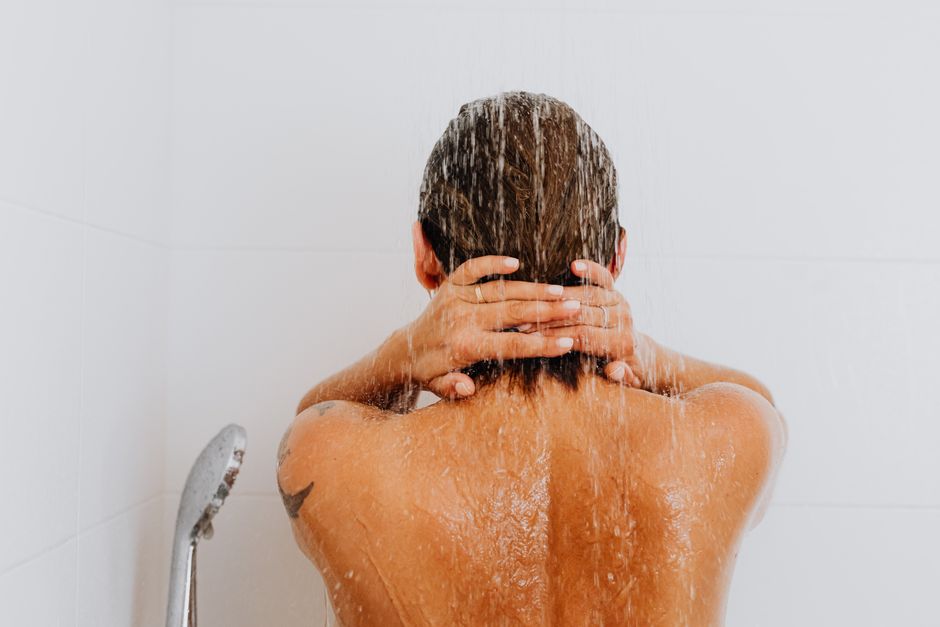
For most people, washing your hair every day is not necessary and can actually cause problems for your scalp. The short answer is that daily washing strips away natural oils that protect your scalp and hair. This can lead to dryness, irritation, and even increased oil production as your scalp tries to compensate. While some individuals with very oily hair or specific medical conditions may need daily washing, the vast majority of adults with healthy scalps should wash their hair two to three times per week. Your scalp is skin, and treating it like the skin on your face — not your dishes — makes a real difference.
What Actually Happens to Your Scalp When You Wash Daily?
Your scalp produces sebum, a natural oil that keeps skin supple and hair moisturized. Shampoo is designed to remove dirt, sweat, and excess oil. When you wash every day, you remove this protective layer before your scalp has a chance to replenish it.
Research shows that frequent washing disrupts the scalp’s microbiome — the community of bacteria and fungi that live there. A 2018 study in the Journal of Dermatological Science found that washing too often can reduce beneficial microbes and allow harmful ones to overgrow. This imbalance can lead to itching, flaking, and inflammation.
Your scalp also has a barrier function similar to the rest of your skin. Daily washing weakens this barrier over time. When the barrier is damaged, moisture escapes more easily and irritants penetrate deeper. This creates a cycle where your scalp feels dry, so you wash it more, which makes it even drier.
Some people notice their scalp feels greasy the day after washing. This is often a rebound effect. When you strip oils frequently, your scalp may overproduce sebum to compensate. The result is an oilier scalp that seems to need more washing — a frustrating cycle that daily washing can actually cause.
Does Hair Type or Texture Change the Answer?
Yes, hair type matters a lot. The answer to “Is washing your hair daily bad for your scalp” depends partly on your hair and scalp characteristics.
People with fine, straight hair tend to have oilier scalps because sebum travels down the hair shaft more easily. For some of these individuals, washing every other day may be necessary to feel clean. Even so, daily washing is rarely needed.
People with curly, coily, or thick hair have a different situation. Sebum has a harder time traveling down curved hair shafts. This means the scalp can feel dry even when the hair itself is not oily. Daily washing for this hair type is almost always too much. It can lead to brittle hair and a tight, irritated scalp.
Current research suggests that people with textured hair benefit most from washing once a week or even every 10 days, depending on their activity level and sweat production. The scalp still needs cleansing, but the frequency should be much lower.
Scalp conditions also change the answer. If you have dandruff caused by the yeast Malassezia, some dermatologists recommend washing more frequently with a medicated shampoo — but this is a treatment plan, not a daily habit. If you have eczema or psoriasis on your scalp, washing too often can make flare-ups worse.
What Does the Evidence Show About Optimal Washing Frequency?
There is no single number that works for everyone. But the evidence points to a range that fits most people.
A 2021 review in Skin Appendage Disorders looked at multiple studies on washing frequency. The researchers concluded that washing two to three times per week is sufficient for most adults with normal scalps. They found no evidence that washing more often improved scalp health. In fact, they noted that frequent washing was associated with increased scalp sensitivity and dryness.
Another study from the International Journal of Trichology examined 1,500 people across different hair types. Participants who washed their hair five to six times per week reported more scalp itching and flaking than those who washed two to three times per week. The study also found that people who reduced their washing frequency from daily to every other day saw improvements in scalp comfort within four weeks.
As of 2026, dermatologists generally agree on this approach: wash your hair as often as needed to keep your scalp clean without causing irritation. For most people, that means every two to three days. If you exercise heavily or sweat a lot, you may need to rinse with water more often but only use shampoo every other wash.





How Do Different Shampoo Types Affect Your Scalp?
Not all shampoos are the same. The type of shampoo you use can change how your scalp responds to washing.
Sulfate-based shampoos are strong cleansers. They create a lot of lather and remove oil effectively. But they can be too harsh for daily use. Sodium lauryl sulfate and sodium laureth sulfate are common ingredients that strip the scalp barrier. If you wash daily with a sulfate shampoo, you are almost certainly over-cleansing.
Sulfate-free shampoos are gentler. They clean without removing all the natural oil. These are better for frequent washing if you feel you must do it. But even gentle shampoos can cause problems if used daily.
Clarifying shampoos are designed for deep cleaning. They remove product buildup and excess oil. These should only be used once a week or less. Using a clarifying shampoo daily is a fast track to a damaged scalp.
Co-washing — using conditioner only to wash — is popular among people with curly hair. Conditioner cleans lightly without stripping oils. Some people can co-wash daily without issues. But conditioner alone does not remove sweat and dirt as well as shampoo, so it may not work for everyone.
Here is a simple comparison table to help you choose:
| Shampoo Type | Best For | How Often to Use | Risk with Daily Use |
|————–|———-|——————|———————|
| Sulfate-based | Oily hair, occasional deep cleanse | 1-2 times per week | High – strips oils and damages barrier |
| Sulfate-free | Normal to dry hair, regular washing | 2-3 times per week | Moderate – gentler but still over-cleanses daily |
| Clarifying | Product buildup, hard water | Once per week or less | Very high – extremely drying |
| Medicated | Dandruff, psoriasis | As directed by doctor | Depends on medication – follow instructions |
| Co-wash (conditioner only) | Curly, coily, or dry hair | Daily or every other day | Low – but may not clean thoroughly |
What Are the Signs That You Are Washing Too Often?
Your scalp will tell you if you are over-washing. Pay attention to these signals.
Itching is a common early sign. A healthy scalp should not feel itchy between washes. If you itch regularly, your scalp barrier may be compromised.
Flaking that is not dandruff can indicate dryness. Dandruff flakes are usually yellowish and oily. Dryness flakes are white and small. If you see white flakes after washing, you may be stripping too much oil.
Tightness or irritation after washing suggests your scalp is reacting to the shampoo or the frequency. A healthy scalp should feel comfortable after washing, not tight or stinging.
Increased oiliness within hours of washing is a red flag. As mentioned earlier, this can be a rebound effect. If your scalp feels greasy by midday after a morning wash, you may be caught in the over-washing cycle.
Hair breakage or dullness can also point to over-washing. When the scalp is dry, the hair that grows from it can become brittle. If your hair looks limp or breaks easily, consider reducing how often you wash.
Common Misconceptions About Daily Hair Washing
Many people believe that not washing daily is unhygienic. This is not true. Your scalp is not dirty just because it has oil. Sebum is a natural moisturizer, not a sign of poor hygiene. Sweat and dirt do need to be removed, but that can happen every few days without problems.
Some think that daily washing prevents hair loss. There is no evidence that washing frequency affects hair loss from the root. In fact, over-washing can make existing hair loss look worse by making hair appear thinner and more brittle. Hair loss is caused by genetics, hormones, and health conditions — not how often you shampoo.
Another myth is that you must wash daily if you use styling products. This is widely claimed but strong evidence is limited. Many styling products can be removed with a single wash, not daily washes. If you use heavy products like gels or waxes, you may need to wash more often, but every other day is usually enough.
Some people report that their scalp feels “addicted” to daily washing. This is not a real addiction. It is a cycle of over-cleansing and rebound oil production. Breaking the cycle takes about two to four weeks. During that time, your scalp may feel oilier than usual. But once it adjusts, most people find they can wash less often and feel better.
Frequently Asked Questions
Frequently Asked Questions
Can washing your hair daily cause dandruff?
Yes, daily washing can cause dryness that looks like dandruff. It can also worsen dandruff by disrupting the scalp’s microbiome.
How do I transition from daily washing to less frequent washing?
Start by washing every other day for two weeks. Use dry shampoo on off days if needed. Your scalp will adjust within a month.
Is it bad to wash your hair with just water every day?
Rinsing with water daily is generally fine and less damaging than shampoo. It removes sweat without stripping natural oils.
Does hair type affect how often you should wash your scalp?
Yes. Fine, straight hair often needs washing every other day. Curly and coily hair usually does best with once a week or less.
