
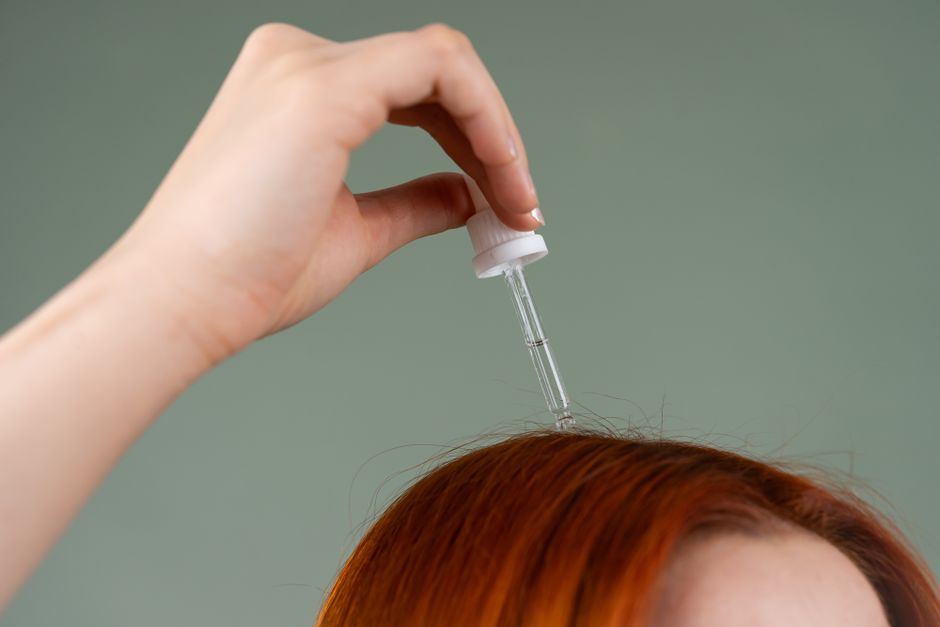
Your hair grows from follicles inside your scalp. If the scalp is unhealthy, the roots struggle. Strengthening your scalp means improving blood flow, balancing natural oils, protecting the skin barrier, and reducing inflammation. These steps create the best environment for hair to grow strong and reduce breakage. The foundation of healthier hair is a healthier scalp.
Why Does Scalp Health Matter for Hair Growth?
Every hair has a follicle anchored in the scalp. The follicle needs a steady supply of oxygen and nutrients from the blood. When the scalp is inflamed, clogged, or dry, that supply gets interrupted. Hair can become thinner and break more easily.
The scalp also has its own microbiome — a mix of bacteria and fungi that normally live in balance. Disruptions cause dandruff, itching, and sometimes flaking. Chronic inflammation from conditions like seborrheic dermatitis can shorten the hair growth cycle. That means hair spends less time growing and more time resting or falling out.
Healthy sebum (the skin’s natural oil) protects the scalp and hair. Too much oil can trap dirt and irritate follicles. Too little leaves the scalp dry and prone to irritation. Finding the right balance is key.
How To Strengthen Your Scalp For Healthier Hair
Start with gentle cleansing. Wash your scalp often enough to remove sweat, dirt, and excess oil without stripping natural moisture. For most people, two to three times per week is enough. If you have an oily scalp, daily gentle washing may be better. Use a mild shampoo free of harsh sulfates if your scalp is sensitive.
Exfoliate the scalp carefully. Physical scrubs with sugar or salt can cause micro-tears. Consider a gentle chemical exfoliant with salicylic acid or polyhydroxy acids (PHAs) once a week. These help clear dead skin and buildup around the follicles. Research is limited, but many dermatologists recommend this approach for clogged follicles.
Scalp massage can increase blood flow. Use your fingertips in circular motions for a few minutes during shampooing. Some small studies suggest regular massage may modestly increase hair thickness over time, though larger trials are needed.
Protect your scalp from the sun. The skin on your scalp is exposed to UV damage, which can weaken follicles. Wear a hat or use a scalp sunscreen spray if you will be outside for more than 15 minutes.
Avoid over-styling. Tight ponytails, heavy chemicals, and frequent heat styling can stress the scalp and hair. Give your scalp rest days between treatments.
What Role Does Diet Play in Scalp Health?
What you eat directly affects scalp tissue. Hair is made of protein, so adequate protein intake is important. Good sources include eggs, lean meat, beans, and dairy.
Iron deficiency is a known cause of hair thinning. If you are low on iron, the body may prioritize other systems over hair growth. A simple blood test can check your ferritin levels. Some research suggests a level above 30 ng/mL is desirable for hair growth, but exact targets vary by lab and individual.
Zinc supports the oil glands around hair follicles. A deficiency can cause dryness and flaking. Oysters, beef, pumpkin seeds, and chickpeas are good sources. Omega-3 fatty acids help reduce inflammation. Fatty fish, walnuts, and flaxseeds provide these.
B vitamins, especially biotin and B12, are involved in cell growth. Biotin supplements are popular, but true deficiency is rare. Most people get enough from eggs, nuts, and sweet potatoes. Taking extra biotin has not been proven to help unless you are actually deficient.
No single food or supplement will fix a scalp problem. A balanced diet that meets your nutrient needs is the only evidence-backed approach.
Can Scalp Massage Really Help?
Yes, but the evidence is not dramatic. A small 2019 study in Japan found that four minutes of daily scalp massage with a device over 24 weeks led to thicker hair in some participants. The researchers thought increased blood flow and mechanical stretching of hair follicles might play a role.
Another study from 2016 found that men with male pattern baldness who did standardized scalp massage for six months reported less hair loss. But the study was small and lacked a control group. So the results are suggestive, not conclusive.
Scalp massage is low risk and feels good. It can also help you notice changes such as tenderness or bumps that need medical attention. For those reasons, many dermatologists recommend it as a complementary practice, but not as a standalone treatment for hair loss.
When Should You See a Doctor About Scalp Issues?
Some scalp signs need professional evaluation. See a board-certified dermatologist if you have persistent itching, redness, or flaking that does not improve with over-the-counter dandruff shampoo. Also go if you notice sudden or patchy hair loss, painful bumps, or bleeding.
Conditions like seborrheic dermatitis, fungal infections, and psoriasis can look similar but require different treatments. For example, seborrheic dermatitis often responds to antifungal shampoos containing ketoconazole or zinc pyrithione. Psoriasis may need prescription corticosteroids or vitamin D creams. None of these treatments should be self-prescribed without a diagnosis.
Hair loss caused by underlying health issues — such as thyroid disorders, anemia, or autoimmune disease — can improve only when the root problem is addressed. A doctor can run the right tests.
What Products Should You Avoid for a Healthy Scalp?
Some ingredients can irritate the scalp or disrupt its natural balance. Sodium lauryl sulfate (SLS) and sodium laureth sulfate (SLES) are strong detergents that can strip too much oil. People with sensitive or dry scalps often do better with sulfate-free shampoos.
Alcohol-heavy products — especially those listing denatured alcohol or SD alcohol high on the ingredient list — can dry out the scalp. A minor exception: fatty alcohols (like cetyl alcohol) are usually fine and even moisturizing.
Dry shampoo is convenient but overuse can block follicles and lead to buildup. Try to limit dry shampoo to one day between washes and never use it as a replacement for washing for more than a day or two.
Physical exfoliants like gritty scrubs can damage the scalp’s outer layer, especially if you press hard. Gentle chemical exfoliants are safer for most people.
Hair dyes and relaxers can cause contact dermatitis in some individuals. Patch test any new product on a small area of skin before applying it to your whole scalp.
Does Scalp Temperature Affect Hair Health?
Blood vessels in the scalp constrict when cold and dilate when warm. In theory, improved circulation from warmth could help deliver nutrients to follicles. Some people use warm oil treatments or steam for this reason. However, no high-quality studies confirm that raising scalp temperature directly strengthens hair or speeds growth.
Very hot water can strip natural oils and dry the skin. Wash and rinse with lukewarm water instead. Avoid extreme cold as well — some research links sudden scalp cooling to temporary constriction of hair follicle blood supply, but this is not a proven cause of hair loss.
Frequently Asked Questions
How often should I wash my scalp for best health?
Most people do well washing two to three times per week with a gentle shampoo. Those with very oily scalps may need daily washing, while dry or curly hair types can often go longer between washes.
Can coconut oil strengthen my scalp?
Coconut oil can moisturize the scalp and may reduce protein loss from hair strands when used as a pre-wash treatment. However, it can clog pores on some people, so start with a small amount and rinse thoroughly.
How long does it take to see results from scalp care?
Hair growth cycles take months, so visible improvements in hair thickness usually require at least three to six months of consistent scalp care. Early signs of less itching or flaking may appear within a few weeks.
Does scalp exfoliation reduce hair loss?
Gentle exfoliation can remove buildup that blocks follicles, which may help reduce shedding related to clogged pores. It does not treat medical causes of hair loss like androgenetic alopecia or autoimmune disease.
