
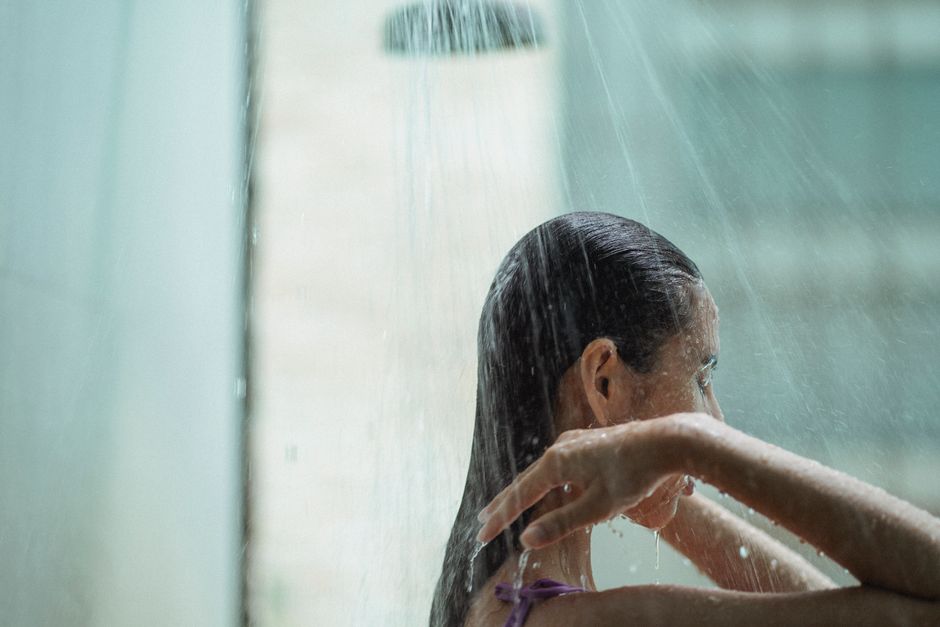
Propylene glycol is not inherently bad for hair and scalp for most people, but it can cause problems for those with sensitive skin, allergies, or certain scalp conditions. This common ingredient appears in thousands of shampoos, conditioners, and styling products because it helps other ingredients work better and keeps products from drying out. The real question is whether it helps or harms your specific hair and scalp type.
What Is Propylene Glycol and Why Is It in Hair Products?
Propylene glycol is a small organic alcohol that acts as a humectant, solvent, and penetration enhancer. It attracts moisture from the air into your hair and scalp. It also helps active ingredients like vitamins or medications absorb deeper into the skin.
Manufacturers use it because it is stable, inexpensive, and works well with many different formulas. You will find it in almost every category of hair product — from drugstore shampoos to high-end salon treatments. The FDA lists propylene glycol as generally recognized as safe (GRAS) for use in food and cosmetics.
But safety for the general population does not mean zero risk for every individual. Some people react to it. The question is how common those reactions actually are.
Does Propylene Glycol Irritate the Scalp?
Research published in the Journal of the American Academy of Dermatology found that propylene glycol can cause irritation in about 1 to 5 percent of people when used in high concentrations. This is not a huge number, but it is real. For those with eczema, psoriasis, or already inflamed scalps, the risk may be higher.
Irritation typically shows up as redness, stinging, itching, or flaking. These symptoms look a lot like dandruff or product buildup, which makes it easy to misidentify the cause. If your scalp feels worse after switching to a new product and you notice the ingredient list includes propylene glycol, it is worth considering.
Patch testing by a dermatologist is the most reliable way to know if you are sensitive. Self-diagnosis based on a few days of use is not reliable because other ingredients can cause similar reactions.
What Does Research Show About Propylene Glycol and Hair Health?
There is no strong clinical evidence that propylene glycol damages hair strands themselves. Hair is made of dead keratin protein. Propylene glycol does not break down keratin or strip the hair cuticle in the way that sulfates or high-pH products can.
Some studies suggest that propylene glycol may slightly increase the penetration of other chemicals into the hair shaft. This could mean that if your shampoo contains harsh ingredients, propylene glycol might help them get deeper into the hair. But that is a secondary effect — not direct damage from the propylene glycol itself.
A 2018 review in the International Journal of Toxicology concluded that propylene glycol is safe for use in cosmetics at concentrations up to 50 percent. Most hair products contain far less than that — typically between 1 and 10 percent. At these levels, the risk of irritation is low for the general population.

Is Propylene Glycol Bad for Dry or Damaged Hair?
This is where the answer gets more complicated. Propylene glycol attracts moisture, but it also pulls water from areas of lower concentration to areas of higher concentration. In very dry environments, it can draw moisture out of your hair and into the air instead of the reverse.
This effect is called the “humectant paradox.” It means that in low-humidity climates, propylene glycol might actually make dry hair drier. If you live in a desert climate or run indoor heating during winter, products high in propylene glycol could leave your hair feeling brittle.
For people with already damaged hair — from bleaching, heat styling, or chemical treatments — this drying effect can make breakage worse. The hair cuticle is already compromised, and any additional moisture imbalance puts stress on the structure.
On the other hand, if you live in a humid environment, propylene glycol can help your hair retain moisture and reduce frizz. The same ingredient behaves differently depending on your local weather and your hair’s current condition.
Should You Avoid Propylene Glycol in Hair Products?
The answer depends on your individual scalp and hair type. For most people, no. Propylene glycol is safe and effective in the concentrations used in commercial hair products. The American Contact Dermatitis Society named it the “Allergen of the Year” in 2018, but that was to raise awareness among dermatologists — not to warn the general public to avoid it.
You should consider avoiding it if:
- You have a known allergy to propylene glycol (confirmed by patch testing)
- You have active eczema, psoriasis, or dermatitis on your scalp
- You live in a very dry climate and have naturally dry or damaged hair
- Your scalp consistently stings or itches after using multiple products containing it
If none of these apply, there is no strong reason to avoid it. Many “propylene glycol free” products replace it with other humectants like glycerin or butylene glycol, which can cause similar issues in sensitive individuals. The replacement is not automatically better.
How Does Propylene Glycol Compare to Common Alternatives?
Some brands market products as “propylene glycol free” and charge a premium. Before paying extra, it helps to understand what the alternatives actually do.
| Ingredient | Primary Function | Potential Drawback |
|---|---|---|
| Propylene glycol | Humectant, solvent, penetration enhancer | Can irritate sensitive skin; may dry hair in low humidity |
| Glycerin | Humectant | Can feel sticky in high humidity; also draws moisture both ways |
| Butylene glycol | Humectant, solvent | Similar irritation risk to propylene glycol; less studied |
| Pentylene glycol | Humectant, preservative booster | More expensive; less common in drugstore products |
| Aloe vera | Humectant, soothing | Less effective as a solvent; shorter shelf life in formulas |
No alternative is universally better. Glycerin is often promoted as natural, but it can cause the same humectant paradox as propylene glycol. Butylene glycol is chemically similar and causes irritation in some of the same people. The best choice depends on your specific scalp sensitivity and local climate.
Common Misconceptions About Propylene Glycol
One of the most persistent myths is that propylene glycol is the same as antifreeze. This is misleading. The antifreeze used in cars is ethylene glycol, which is toxic. Propylene glycol is a different chemical. It is used in food, inhalers, and IV medications because it is safe for human consumption at regulated levels.
Another common claim is that propylene glycol builds up on the scalp and causes hair loss. There is no clinical evidence for this. Hair loss has many causes — genetics, hormones, stress, nutritional deficiencies — but propylene glycol has not been shown to cause it in any peer-reviewed study. Some people report shedding after using products with it, but correlation is not causation. The shedding could be from other ingredients, a change in routine, or an unrelated health issue.
A third misconception is that “natural” alternatives are always safer. Natural ingredients can cause allergic reactions too. Poison ivy is natural. So is nickel. The source of an ingredient does not determine its safety for your skin. What matters is how your individual body reacts to it.
What to Do If You Think Propylene Glycol Is Causing Problems
If you suspect propylene glycol is irritating your scalp or drying your hair, the first step is to stop using products that contain it for two to three weeks. Use a simple shampoo and conditioner without propylene glycol, glycerin, or butylene glycol. Look for products with short ingredient lists. This is called an elimination trial.
After the trial period, reintroduce one product containing propylene glycol and see if symptoms return. If they do, you likely have a sensitivity. If they do not, the original problem was probably caused by something else — maybe another ingredient, product buildup, or an environmental factor.
If symptoms are severe — significant itching, redness, swelling, or hair loss — see a dermatologist. Do not rely on internet forums or product reviews to diagnose yourself. Scalp conditions like seborrheic dermatitis, contact dermatitis, and psoriasis look similar but require different treatments.
Frequently Asked Questions
Is propylene glycol safe for curly hair?
Yes for most people, but curly hair tends to be drier and more porous. In low-humidity environments, propylene glycol may increase dryness and frizz. If you have curly hair and live in a dry climate, you might benefit from avoiding it.
Can propylene glycol cause dandruff?
It can cause flaking that looks like dandruff in people who are sensitive to it. True dandruff is caused by a yeast overgrowth. If your flaking stops when you switch to products without propylene glycol, sensitivity is more likely than dandruff.
Does propylene glycol cause hair thinning or hair loss?
No clinical evidence supports this claim. Some people report shedding after using products with propylene glycol, but studies have not found a direct link. Hair loss has many causes, and propylene glycol is not among the established ones.
Is propylene glycol banned in any countries?
No. Propylene glycol is approved for use in cosmetics by regulatory agencies worldwide, including the FDA in the United States and the European Chemicals Agency. Some natural product certifiers restrict its use, but government bans do not exist.
