
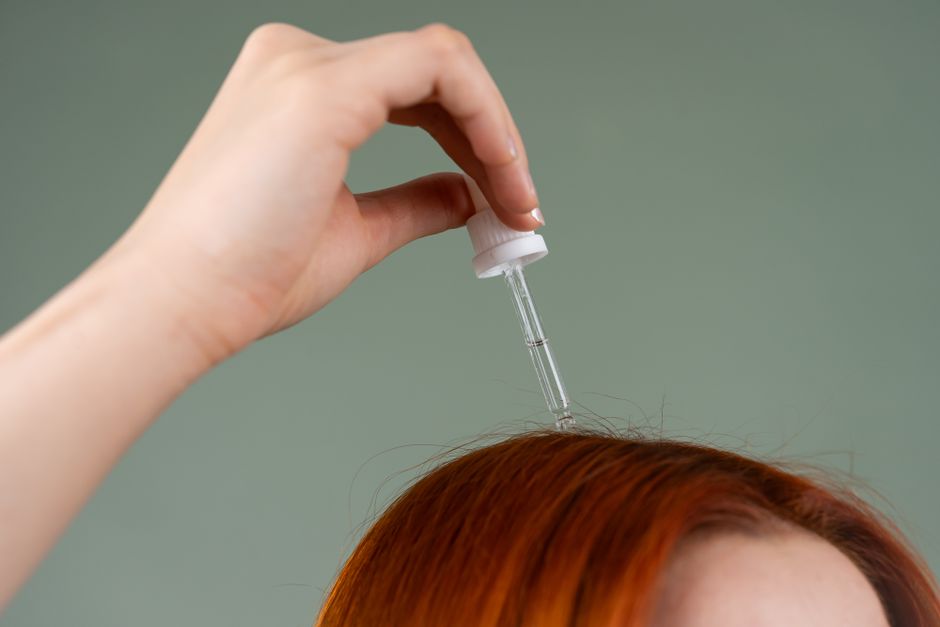
If you are looking into microneedling for hair growth, the needle size matters more than most people realize. The most effective size is between 0.5mm and 1.5mm, with 0.5mm to 0.7mm being the sweet spot for most people starting out. Anything shorter than 0.5mm does not reach the depth needed to stimulate hair follicles, and anything longer than 1.5mm carries real risk of scarring without clear added benefit. This is not a case where bigger is better.
Does Microneedling Actually Work for Hair Growth?
Yes, the evidence is solid. A 2020 review published in the Journal of Cutaneous and Aesthetic Surgery looked at multiple studies and found that microneedling significantly improved hair regrowth in people with androgenetic alopecia, which is the most common form of hair loss. The treatment works by creating tiny injuries in the scalp that trigger the body’s natural wound healing response. This increases blood flow and releases growth factors that wake up dormant follicles.
The best results happen when microneedling is combined with other treatments like minoxidil. Research shows that the micro-channels created by the needles allow minoxidil to absorb deeper into the scalp, making it more effective. On its own, microneedling still produces results, but the combination is stronger. If you are considering this, know that consistency matters. Most studies used sessions every two to four weeks for at least three to six months before seeing noticeable improvement.
What Size Microneedle For Scalp Hair Growth Works Best?
The size you need depends on what you are trying to do. For stimulating hair follicles directly, 0.5mm to 0.7mm is the range supported by the most evidence. A 2013 study in the International Journal of Trichology used a 0.5mm microneedle and found significant hair regrowth in men with mild to moderate hair loss. The depth is enough to reach the dermal papilla, which is the part of the follicle that controls hair growth cycles.
For delivering topical treatments like minoxidil, 0.25mm to 0.5mm is enough. The needles create channels that let the medication penetrate the skin barrier without going deep enough to cause bleeding or significant pain. If you are using a derma roller at home, 0.5mm is the safest and most studied option. Anything above 0.7mm should be done by a professional because the risk of infection, scarring, and uneven depth goes up sharply.
Deeper needles in the 1.0mm to 1.5mm range are used in clinical settings for more advanced hair loss. A 2017 study in Dermatologic Surgery used 1.5mm needles every two weeks and reported good results, but the treatment was performed by a dermatologist. Do not use a 1.5mm device at home. The scalp skin is thinner than you think, and going too deep can cause permanent damage to hair follicles rather than helping them.
What Does Research on Needle Size Show?
Most of the published research uses needles between 0.5mm and 1.5mm. A 2019 meta-analysis in Dermatology and Therapy pooled data from several trials and concluded that microneedling is effective for hair growth, but the studies varied too much in needle size to declare one exact number as the winner. What they did find was that depths under 0.5mm did not produce meaningful results, and depths over 1.5mm increased side effects without better outcomes.
One study from 2018 in the Journal of Drugs in Dermatology compared 0.5mm and 1.5mm directly. Both groups saw improvement, but the 0.5mm group had fewer side effects and similar hair counts after six months. This matters because it suggests you do not need to go deep to get results. The body’s healing response is triggered at shallower depths than many people assume.
There is no large-scale study that has tested every needle size against each other in a controlled way. That makes it hard to say with certainty that 0.6mm is better than 0.7mm. But the pattern across the research is clear: 0.5mm to 0.7mm is the range where you get the most benefit with the least risk. The CDC notes that any procedure breaking the skin carries infection risk, so cleanliness is as important as depth.


What Are the Side Effects and Risks by Needle Size?
The risks change significantly with needle depth. At 0.25mm to 0.5mm, side effects are mild. You might see redness and slight swelling for a few hours. Some people report a tingling sensation. Bleeding is rare at these depths. The skin barrier is disrupted but heals quickly, usually within 24 hours.
At 0.5mm to 1.0mm, you can expect pinpoint bleeding. This is normal and part of the healing process. The redness lasts longer, sometimes up to two days. Infection risk is higher if the device is not sterilized properly. The FDA has issued warnings about unsterile microneedling devices causing bacterial and viral infections. Do not share devices. Do not reuse disposable cartridges.
Above 1.0mm, the risks multiply. Scarring is possible, especially if the same area is treated too often. Hyperpigmentation can occur in people with darker skin tones. The pain is more intense, and numbing cream is usually needed. A 2016 case report in Dermatology documented permanent scarring from at-home microneedling with a 2.0mm device. That is why professional supervision is recommended for anything above 0.7mm.
| Needle Depth | Best Use | Common Side Effects | Professional Recommended? |
|---|---|---|---|
| 0.25mm – 0.5mm | Topical absorption, mild stimulation | Redness, slight swelling | Safe at home |
| 0.5mm – 0.7mm | Hair follicle stimulation | Redness, pinpoint bleeding | Safe at home with care |
| 0.7mm – 1.5mm | Advanced hair loss treatment | Bleeding, pain, infection risk | Yes, clinic only |
| Above 1.5mm | Not recommended for hair | Scarring, permanent damage | No |
How Often Should You Microneedle Your Scalp?
Frequency depends on needle depth. For 0.5mm devices, once every two weeks is the standard in most studies. The skin needs time to heal and produce collagen. Doing it more often does not speed up results. It increases inflammation and can actually slow hair growth by keeping the scalp in a constant state of injury.
For 0.25mm devices, you can go slightly more often, about once a week. But remember, these shorter needles are better for product absorption than for direct follicle stimulation. If your goal is hair regrowth, you want the 0.5mm depth at the minimum.
A common mistake is pressing too hard. Let the device do the work. If you see excessive bleeding or feel sharp pain, you are going too deep or too fast. The American Academy of Dermatology advises that microneedling should not be painful beyond a mild prickling sensation. If it hurts, stop and adjust your technique or needle size.
Common Misconceptions About Microneedling for Hair
One widespread myth is that longer needles always give better results. This is not supported by evidence. As discussed, studies show similar hair counts between 0.5mm and 1.5mm but with more side effects at deeper depths. More depth does not equal more growth.
Another misconception is that you can use a microneedling device on any part of the scalp with the same settings. The hairline and temples have thinner skin than the crown. Using the same needle depth everywhere can cause unnecessary damage to thinner areas. Adjust your pressure and depth based on location.
Some people also believe that microneedling works instantly. It does not. Hair growth cycles are slow. The anagen, or growth phase, lasts two to six years for scalp hair. You will not see new hairs for at least three to four months. The redness and irritation after treatment is not a sign that it is working. It is just a sign that your skin was injured. Real results take time and consistency.
- Longer needles do not mean better results
- Different scalp areas need different pressure
- Results take months, not days
- Redness is not a measure of effectiveness
- Combining with minoxidil improves outcomes
Frequently Asked Questions
What size microneedle is best for hair growth at home?
0.5mm is the safest and most effective size for at-home use. It reaches the depth needed to stimulate hair follicles without causing significant injury.
Can I use a 1.5mm microneedle on my scalp at home?
No, 1.5mm should only be used by a professional. At-home use carries high risk of scarring, infection, and permanent hair follicle damage.
How long does it take to see results from microneedling hair?
Most people see noticeable improvement after three to six months of consistent treatment every two weeks. Hair growth is slow and requires patience.
Is microneedling painful for hair growth?
With a 0.5mm device, you will feel a mild prickling sensation but not sharp pain. If it hurts significantly, you are using too much pressure or a needle that is too long.
