
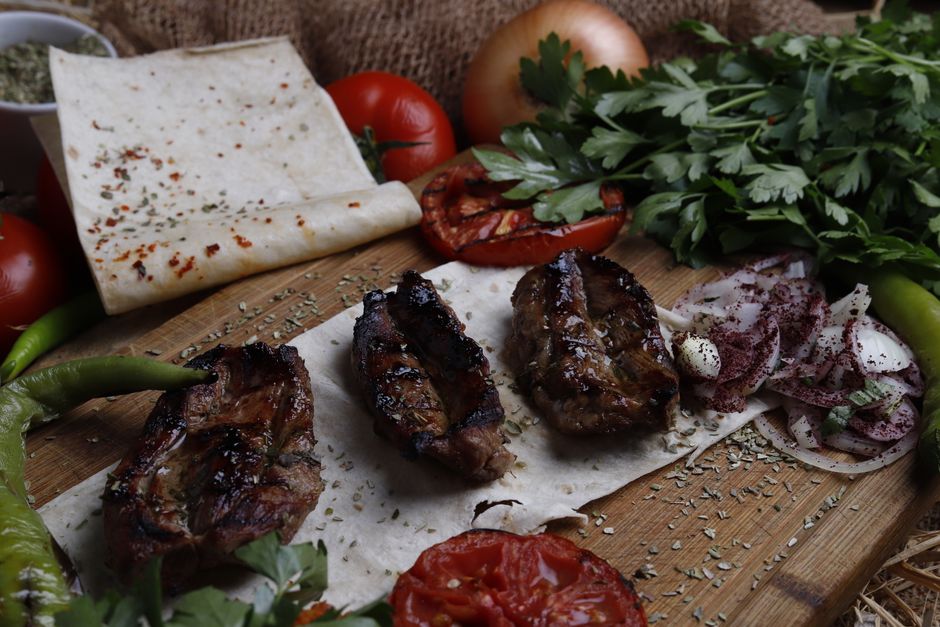
Lamb shoulder is a healthy cut of meat when eaten in sensible portions. It is a fattier cut than lamb leg or loin, but that fat carries much of the flavor and keeps the meat moist during slow cooking. The health picture depends on how you trim it, how you cook it, and what you serve alongside it. For most people, lamb shoulder can fit into a balanced diet without concern.
Is Lamb Shoulder Healthy?
Yes, lamb shoulder is a nutritious food. It provides high-quality protein, B vitamins, zinc, and iron. These nutrients support muscle maintenance, immune function, and oxygen transport in the blood. A 3-ounce serving of cooked lamb shoulder delivers roughly 20 grams of protein, which is a substantial contribution to the daily protein needs of most adults.
The main health consideration is saturated fat. Lamb shoulder contains more marbling than leaner cuts. Saturated fat raises LDL cholesterol levels, which is a risk factor for heart disease. The American Heart Association recommends limiting saturated fat to about 13 grams per day on a 2,000-calorie diet. A single serving of untrimmed lamb shoulder can provide half of that amount.
Trimming visible fat before cooking reduces the saturated fat content meaningfully. Choosing smaller portions also helps. A 3-ounce portion is about the size of a deck of cards. Pairing lamb shoulder with vegetables and whole grains creates a balanced plate that offsets the fat content.
What Nutrients Does Lamb Shoulder Provide?
Lamb is one of the best dietary sources of vitamin B12. This vitamin is essential for nerve function and red blood cell formation. A single serving provides more than the daily requirement for most adults. Deficiency in B12 can cause fatigue and neurological problems, so adequate intake matters.
Zinc is another standout nutrient in lamb. It supports wound healing, immune function, and DNA synthesis. Lamb also provides heme iron, the form of iron most easily absorbed by the body. This is especially relevant for women of childbearing age and anyone at risk of iron deficiency anemia.
Lamb shoulder also contains selenium, niacin, and phosphorus. Selenium acts as an antioxidant. Niacin supports energy metabolism. Phosphorus works with calcium to maintain bone health. These nutrients are present in meaningful amounts, though lamb shoulder is not unique in providing them.
The fat in lamb shoulder is not all saturated. It contains monounsaturated fats, including oleic acid, which is also found in olive oil. Monounsaturated fats can support heart health when they replace saturated fats in the diet. Lamb also provides conjugated linoleic acid, a type of fat studied for potential health benefits, though the evidence in humans is not conclusive.
How Does Lamb Shoulder Compare to Other Cuts?
Lamb shoulder sits in the middle of the fat spectrum. Lamb leg and lamb loin are leaner. Lamb breast and lamb ribs are fattier. The table below shows the general differences in fat content per 3-ounce cooked serving.
| Cut of Lamb | Relative Fat Content | Best Cooking Method |
|---|---|---|
| Lamb leg | Lean | Roasting, grilling |
| Lamb loin | Lean to moderate | Grilling, pan-searing |
| Lamb shoulder | Moderate to high | Slow braising, stewing |
| Lamb breast | High | Slow roasting |
Because lamb shoulder has more connective tissue, it needs longer cooking times at lower temperatures. This breaks down the collagen and turns the meat tender. Leaner cuts dry out with slow cooking. The fat in lamb shoulder is not just a health consideration — it is what makes the cut work for braises and stews.





What Is the Best Way to Cook Lamb Shoulder?
Low and slow is the rule for lamb shoulder. Braising is the most reliable method. This involves browning the meat first, then cooking it covered in liquid at a low temperature for several hours. The liquid can be broth, wine, or tomatoes. The result is tender, pull-apart meat.
Stewing works equally well. Cut the shoulder into chunks, brown them, then simmer in liquid until fork-tender. This is the basis for many traditional lamb stews. The long cooking time allows the fat to render and the connective tissue to soften.
Grilling or roasting lamb shoulder at high heat will produce tough meat. This cut needs time to break down. If you want a quick-cooking lamb cut, choose loin chops or leg steaks instead.
Trimming excess fat before cooking reduces the final fat content. Removing visible fat after cooking is also effective. The rendered fat can be skimmed from braising liquid, which lowers the fat in the finished dish.
Seasoning lamb shoulder is flexible. Garlic, rosemary, thyme, and cumin all pair well. Acidic ingredients like lemon or vinegar can balance the richness. Salt enhances the natural flavor of the meat.
What Are the Health Risks of Eating Lamb Shoulder?
The primary risk is cardiovascular. Regular consumption of high amounts of saturated fat raises LDL cholesterol. Over time, elevated LDL contributes to plaque buildup in arteries. This increases the risk of heart attack and stroke.
Portion size is the practical issue. Many restaurant servings of lamb are 6 to 8 ounces, which is double the recommended single serving. That doubles the saturated fat and calories. Cooking at home allows better portion control.
Some research has examined red meat consumption and cancer risk. The World Health Organization classifies red meat as probably carcinogenic to humans. This classification is based on limited evidence linking high red meat intake to colorectal cancer. Lamb is red meat, so this applies. The risk is associated with high intake over time, not occasional consumption.
The evidence for this link is not as strong as the evidence linking processed meats to cancer. Processed meats like bacon and sausage carry a stronger association. Lamb shoulder in its unprocessed form is a different category. Moderation is the reasonable approach.
How Much Lamb Shoulder Can You Eat Safely?
No single number applies to everyone. Individual health status, cholesterol levels, and overall diet all matter. For a generally healthy person, eating lamb shoulder once or twice per week in 3-ounce portions is reasonable.
People with existing heart disease, high cholesterol, or a family history of cardiovascular problems may want to choose leaner cuts more often. Lamb leg and loin provide similar nutrients with less saturated fat. The choice is about balancing nutritional needs with health risks.
Pregnant women should ensure lamb is cooked to a safe internal temperature. The USDA recommends cooking lamb to at least 145 degrees Fahrenheit with a three-minute rest time. Ground lamb should reach 160 degrees Fahrenheit. Undercooked meat carries a risk of foodborne illness, which can be more serious during pregnancy.
Frequently Asked Questions
Is lamb shoulder healthier than beef?
Lamb and beef are nutritionally similar. Both provide protein, iron, and B vitamins with comparable saturated fat content. The healthier choice depends on the cut and how it is prepared.
Does lamb shoulder need to be cooked low and slow?
Yes. Lamb shoulder contains significant connective tissue that requires long, moist cooking to break down. High-heat cooking produces tough, chewy meat.
Can you eat lamb shoulder on a heart-healthy diet?
Yes, in moderation. Trim visible fat, keep portions to about 3 ounces, and limit frequency to once or twice weekly. People with existing heart conditions should discuss red meat intake with their doctor.
Is lamb shoulder good for building muscle?
Yes. It is a complete protein source containing all essential amino acids. The protein content supports muscle repair and growth when combined with resistance training.
