
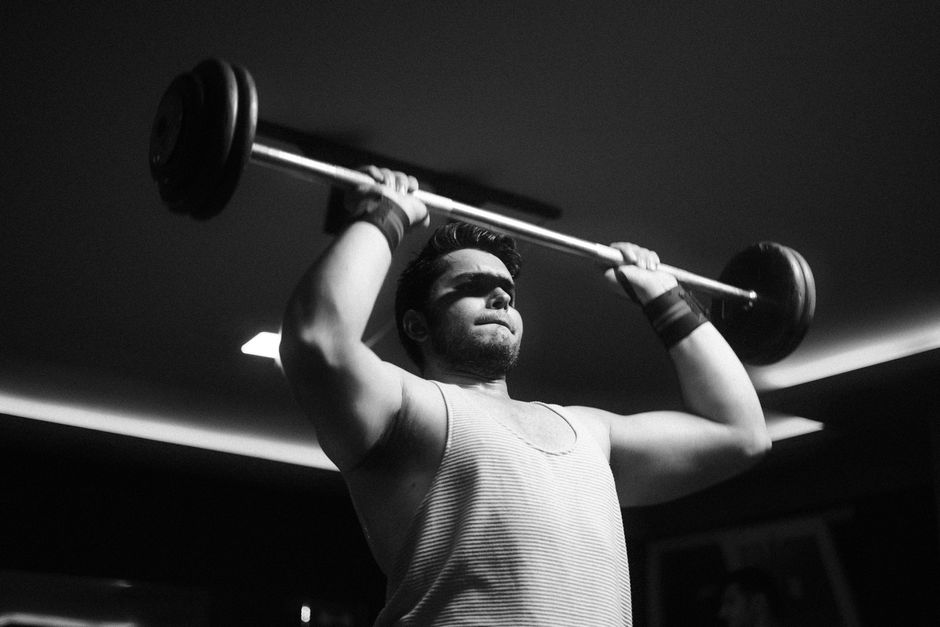
Shoulder pain from lifting weights usually comes from irritated tendons, a pinched rotator cuff, or overloaded muscles around the joint. The fastest way to get rid of it is to stop the movements that hurt, rest the shoulder from heavy pressing and overhead work, and rebuild strength gradually with lighter loads and controlled form. Most mild cases improve within a few weeks, but sharp pain, weakness, or pain that lingers past a month needs a doctor’s evaluation.
The shoulder is the most mobile joint in the body. That mobility comes at a cost. It relies on a small group of muscles and tendons — the rotator cuff — to keep the joint centered while you move heavy weight. When those tissues get overloaded, inflamed, or torn, pain shows up fast. The good news is that most lifting-related shoulder pain is not a sudden catastrophe. It builds over time, and it responds to the right changes in how you train.
What Actually Causes Shoulder Pain From Lifting Weights?
The most common cause is rotator cuff tendinopathy — irritation or breakdown of the tendons that stabilize the shoulder. This develops from repeated stress, not one bad rep. Bench pressing, overhead pressing, and lateral raises load these tendons heavily.
Other frequent causes include:
- Subacromial impingement — tendons get pinched as they pass under the bony arch of the shoulder, often made worse by poor shoulder blade control.
- Biceps tendon inflammation — pain at the front of the shoulder, common with heavy curling and pulling.
- Labrum tears — damage to the cartilage ring around the socket, sometimes from a sudden heavy load or repeated overhead motion.
- AC joint irritation — pain right on top of the shoulder, often from bench pressing or dips.
- Muscle strain — a pulled or overloaded muscle, usually from a single session that was too much too soon.
These conditions can feel similar. That matters, because the right fix depends on which structure is involved. A doctor or physical therapist can usually tell them apart with a physical exam, and sometimes imaging.
Should You Stop Lifting Entirely?
Complete rest is rarely the answer. Long periods of doing nothing can weaken the shoulder further and make the problem worse when you return. The better approach is to stop the specific movements that cause pain while keeping the shoulder active in ways that do not hurt.
This is sometimes called relative rest. You are not shutting the joint down. You are removing the load that is irritating it and letting the tissue calm down.
Movements that commonly need a break:
- Overhead pressing
- Bench pressing, especially with a wide grip or heavy weight
- Upright rows
- Lateral raises above shoulder height
- Behind-the-neck pulling or pressing
Movements that often stay comfortable:
- Rows with a neutral grip
- Light band work for the rotator cuff
- Pulling exercises at a controlled pace
- Lower-body and core training
Pain is your guide here. If a movement causes sharp pain, stop it. If it causes only mild discomfort that fades, it may be fine to continue at a lighter load.
How To Get Rid Of Shoulder Pain From Lifting Weights With Exercise
Once the sharp pain settles, targeted strengthening is what actually fixes the problem. The rotator cuff and the muscles that control the shoulder blade need to get stronger so they can handle the load again.
Physical therapists commonly prescribe a few categories of exercise:
- Rotator cuff strengthening — external rotation with a band or light dumbbell, done slowly and controlled.
- Scapular control work — rows, face pulls, and wall slides that teach the shoulder blade to move properly.
- Postural and mobility work — improving thoracic spine movement so the shoulder does not have to overcompensate.
Start with very light resistance. A band or a 1-2 pound weight is often enough at first. The goal is not to fatigue the muscle. It is to teach it to fire correctly and tolerate load. Progress slowly over weeks, not days.
Some clinicians also use manual therapy — hands-on techniques to mobilize the joint and soft tissue. The evidence for manual therapy alone is limited. It tends to work best as a supplement to exercise, not a replacement for it.





What About Ice, Heat, and Pain Relievers?
Ice can help numb sharp pain in the first day or two after an injury. Heat can relax tight muscles and feels good before activity. Neither one fixes the underlying problem, but both can make you more comfortable while you recover.
Over-the-counter pain relievers like ibuprofen or acetaminophen can reduce pain and let you move more comfortably. Ibuprofen also reduces inflammation. That said, using pain relievers to push through heavy training is a bad idea. Masking pain lets you keep irritating the tissue, which can turn a minor issue into a long-term one.
If you find yourself needing pain relievers regularly just to get through a workout, that is a sign to back off and get the shoulder looked at.
When Should You See a Doctor?
Most mild shoulder pain from lifting improves with rest and gradual strengthening. But some signs mean you should not wait.
See a doctor or physical therapist if you have:
- Pain that lasts more than a few weeks despite rest
- Weakness — you cannot lift your arm or hold weight you used to handle
- Sharp pain from a specific incident, like a sudden pop or tear
- Pain that wakes you at night or stops you from sleeping
- Swelling, bruising, or a visibly deformed shoulder
- Numbness or tingling in the arm or hand
A sudden pop followed by weakness and pain may point to a rotator cuff tear or another structural injury. These sometimes need imaging and, in some cases, surgery. Do not try to train through that kind of pain.
How To Prevent Shoulder Pain From Coming Back
Once your shoulder feels better, the way you train determines whether the pain returns. A few habits make a real difference.
Warm up properly. A few minutes of light movement and band work before heavy pressing prepares the shoulder for load.
Balance your pushing and pulling. Many lifters press far more than they pull. Adding regular rowing and face pulls helps keep the shoulder balanced.
Control your form. Do not let your elbows flare wide on bench press. Keep your shoulder blades pulled back and down. Avoid pressing behind your neck.
Increase load gradually. Big jumps in weight or volume are a common trigger for shoulder problems. Small, steady progress is safer.
Listen to early warning signs. A little ache that shows up after every pressing session is a signal. Address it before it becomes sharp pain.
None of this guarantees you will never have shoulder pain again. But the same principles that help you recover are the ones that help you stay healthy.
How Long Does It Usually Take To Heal?
Timelines vary widely depending on what is wrong and how long it has been going on. Mild muscle strains often settle within a week or two. Tendon irritation that has built up over months can take several weeks to a few months to improve with consistent rehab.
Recovery is rarely a straight line. Some days feel better than others. What matters is the overall trend. If you are gradually able to do more with less pain over a few weeks, you are on the right track. If nothing changes after several weeks of rest and gentle strengthening, get it checked.
Frequently Asked Questions
Can I keep lifting with shoulder pain?
You can often keep training movements that do not cause pain, but you should stop the specific lifts that hurt. Pushing through sharp pain usually makes the injury worse.
Is shoulder pain from lifting a sign of a tear?
Not always — most cases involve tendon irritation rather than a tear. A sudden pop with weakness and severe pain is more concerning and should be evaluated by a doctor.
Should I use ice or heat for shoulder pain?
Ice can help with sharp pain in the first day or two, and heat can relax tight muscles before activity. Neither fixes the underlying cause.
How long does lifting-related shoulder pain last?
Mild strains often improve within a week or two, while tendon irritation can take several weeks to a few months. Pain lasting more than a few weeks despite rest should be checked by a professional.
