
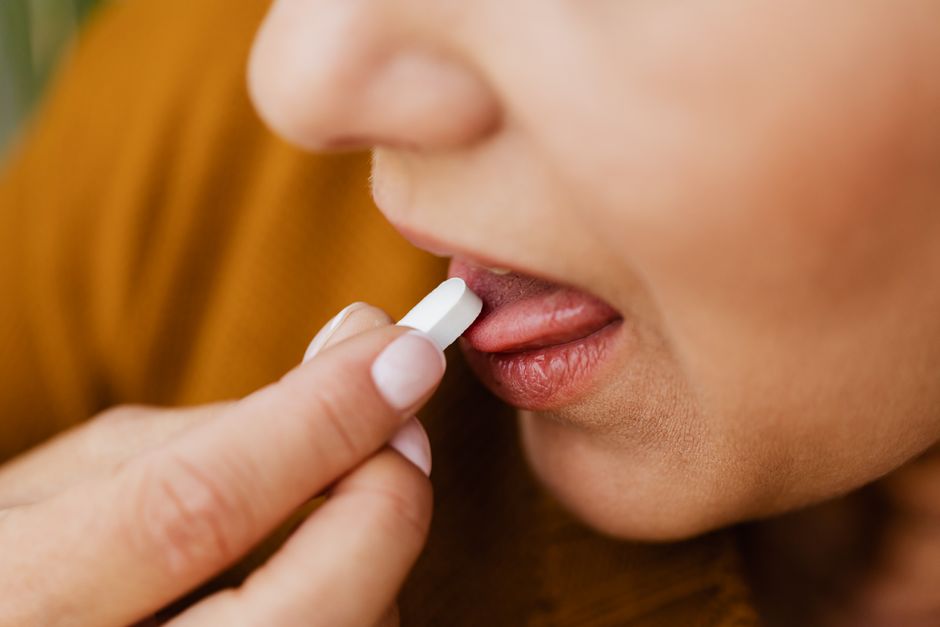
Tinidazole is an antibiotic that starts killing susceptible organisms within hours of the first dose, but how fast you feel better depends on what is being treated. For most parasitic infections, symptom relief typically begins within 24 to 48 hours. For bacterial vaginosis, noticeable improvement usually appears within 2 to 3 days. Full treatment courses generally run 1 to 5 days depending on the condition.
How Long Does Tinidazole Take To Work Treatment Timeline?
Tinidazole belongs to a class of drugs called nitroimidazoles. It works by entering susceptible organisms and disrupting their DNA, which stops them from reproducing and eventually kills them. The drug reaches peak levels in the blood within about 2 hours of taking a dose.
That pharmacokinetic fact is important, but it does not mean symptoms disappear in 2 hours. Killing the organism and resolving the symptoms it caused are two different things. The timeline depends on the infection, the dose used, and how much tissue damage the infection already caused before treatment started.
What follows is a condition-by-condition look at typical timelines. These are general patterns from clinical use. Individual response varies.
What Conditions Does Tinidazole Treat?
Tinidazole is approved in the United States for several specific infections. It is not a broad-spectrum antibiotic. It targets certain protozoa and anaerobic bacteria.
- Trichomoniasis — a sexually transmitted infection caused by a parasite
- Giardiasis — an intestinal infection from contaminated water or food
- Amebiasis — an intestinal infection caused by Entamoeba histolytica
- Bacterial vaginosis — an imbalance of vaginal bacteria
Tinidazole is sometimes used for other anaerobic infections, but those uses may be outside formal approval. The timelines below cover the main approved indications.
How Fast Does Tinidazole Work for Trichomoniasis?
Trichomoniasis is often treated with a single 2-gram dose of tinidazole. That single dose can clear the infection, and many people notice less discharge or irritation within 2 to 3 days. Some feel better sooner. Others take closer to a week for all symptoms to resolve.
The organism itself is usually gone quickly after a single dose. But inflammation in the genital tract can linger. That lingering irritation does not necessarily mean the drug failed.
One critical point: sexual partners also need treatment. Reinfection is common when partners are not treated at the same time. Tinidazole does not prevent reinfection.





How Fast Does Tinidazole Work for Giardiasis?
Giardiasis causes diarrhea, gas, bloating, and greasy stools. Tinidazole is often given as a single dose for this infection. Diarrhea and cramping often begin to improve within 24 to 48 hours.
Full resolution of bloating and stool changes can take longer. Some people continue to have loose stools for several days after the parasite is cleared. That is because the intestinal lining needs time to recover from the infection.
If symptoms persist beyond about a week after treatment, that is worth reporting to a clinician. It could mean treatment failure, reinfection, or a different diagnosis.
How Fast Does Tinidazole Work for Amebiasis?
Amebiasis treatment with tinidazole usually involves a longer course than trichomoniasis or giardiasis. A typical regimen runs 3 to 5 days. Diarrhea and abdominal pain often start improving within 2 to 3 days.
Amebiasis sometimes requires a second drug to clear cysts from the intestine, even after tinidazole clears the active infection. This is called a luminal agent. Without it, relapse is possible. This is an important detail that people sometimes miss.
How Fast Does Tinidazole Work for Bacterial Vaginosis?
Bacterial vaginosis is treated with tinidazole over several days, often 2 to 5 days depending on the regimen. Many people notice less discharge and odor within 2 to 3 days. Full resolution often takes the entire course plus a few days after.
BV has a high recurrence rate regardless of which antibiotic is used. Recurrence does not mean the drug did not work the first time. It means the underlying bacterial imbalance returned.
Why Does the Timeline Vary So Much?
Several factors affect how quickly someone feels better.
- The organism being treated — some respond faster than others
- How long the infection was present — longer infections often take longer to resolve
- The dose and duration — single-dose regimens work fast but may not fit every case
- Individual immune response — some people clear symptoms faster than others
- Reinfection — if the source of infection is not removed, symptoms return
No two people respond identically. A timeline is a general guide, not a guarantee.
What Should You Expect in the First 24 to 48 Hours?
The first day or two is when most people notice the earliest changes. For diarrheal infections, stool frequency often decreases. For trichomoniasis, discharge and irritation may start to ease. For BV, odor often improves first.
It is also when side effects are most likely to appear. Nausea, a metallic taste, and stomach discomfort are common with tinidazole. Taking it with food can reduce nausea. These side effects do not mean the drug is not working.
Alcohol must be avoided during treatment and for 3 days after the last dose. Tinidazole can cause a serious reaction with alcohol. This is not a minor caution.
When Should You Call a Doctor?
Contact a clinician if symptoms are not improving after the expected timeline, if they get worse, or if new symptoms appear. Also call if you cannot keep the medication down, or if you develop a rash, severe headache, or numbness or tingling in the hands or feet.
Tinidazole can cause neurological side effects in rare cases, especially with prolonged use. These are uncommon but worth knowing about.
Do not stop the medication early just because you feel better. Completing the prescribed course reduces the chance of relapse and resistance.
How Does Tinidazole Compare to Metronidazole?
Both drugs are nitroimidazoles and treat many of the same infections. Tinidazole has a longer half-life, which means it stays in the body longer. That is why some regimens use fewer doses or a single dose.
Whether one works faster than the other is not clearly established. Some studies suggest similar cure rates. The choice often comes down to dosing convenience, side effect profile, and clinician preference. Neither drug is universally better.
Does Tinidazole Cure the Infection in One Dose?
For trichomoniasis and giardiasis, a single dose is often enough to clear the infection. For amebiasis and BV, multi-day courses are standard. Even when a single dose clears the organism, symptoms may take a few days to fully resolve.
Cure is confirmed by testing in some cases, not just by how someone feels. Follow-up testing may be recommended for certain infections.
Frequently Asked Questions
How long does tinidazole take to work for trichomoniasis?
A single 2-gram dose often clears the infection, and symptoms typically improve within 2 to 3 days. Some people take up to a week to feel fully better.
Can tinidazole clear an infection in one day?
The organism may be cleared within a day for some infections, but symptom relief usually takes longer. Feeling better and being cured are not the same thing.
What happens if tinidazole does not work?
If symptoms do not improve within the expected timeframe, contact a clinician. Treatment failure, reinfection, or a different diagnosis may need to be ruled out.
Can you drink alcohol while taking tinidazole?
No. Alcohol must be avoided during treatment and for 3 days after the last dose because it can cause a serious reaction.
