

Yes, millions of people do. High blood pressure is one of the most manageable long-term conditions in medicine, and most people who have it can work, travel, exercise, and live a full life. The catch is that “normal” usually depends on treatment, monitoring, and a few honest changes. Untreated high blood pressure is a different story, and that is where the real risk sits.
Can You Live a Normal Life With High Blood Pressure?
For most adults, the answer is yes — but “normal” does not mean ignoring it.
High blood pressure, or hypertension, is defined as a reading of 130/80 mmHg or higher on more than one occasion, based on the American College of Cardiology and American Heart Association guidelines. It is common. Roughly half of American adults meet that definition.
What makes hypertension manageable is that it usually has no symptoms. That sounds like good news, and partly it is. You do not feel sick. But it also means the condition can quietly damage the heart, brain, kidneys, and blood vessels over years if nothing is done.
The people who live well with hypertension tend to share a few things. They know their numbers. They take medication if prescribed. They show up for checkups. They do not treat a normal-feeling day as proof that everything is fine.
Why High Blood Pressure Is Called a Silent Condition
Hypertension rarely causes noticeable symptoms until damage is already significant. This is not a quirk — it is how the disease works.
Blood pressure is the force of blood pushing against artery walls. When that force stays elevated, the arteries respond by becoming stiffer and thicker. The heart has to work harder to push blood through them. Over time, this can enlarge the heart muscle, narrow the arteries, and reduce blood flow to organs.
None of this registers as pain. There is no reliable sensation that tells you your blood pressure is 150/95. Headaches, nosebleeds, and feeling flushed are commonly blamed on high blood pressure, but research does not support most of these as reliable signs. A headache can happen at any blood pressure. The only way to know your numbers is to measure them.
This is why the condition is called silent. It does its work without announcing itself.
What Actually Changes When You Have High Blood Pressure
The diagnosis itself changes very little about daily life. What changes is what you do about it.
Most people with hypertension take one or more medications. Common classes include ACE inhibitors, angiotensin receptor blockers, calcium channel blockers, and thiazide diuretics. These are well studied and widely used. They lower blood pressure, and in large trials they reduce the risk of stroke, heart attack, and other cardiovascular events.
Some people also need to adjust habits. That might mean cutting back on salt, drinking less alcohol, quitting smoking, or getting more physical activity. For some people with mildly elevated readings, lifestyle changes alone can bring numbers into a healthier range. For others, medication is necessary — and that is not a failure of willpower. Genetics, age, and kidney function all play a role that diet and exercise cannot fully override.
What does not usually change: your job, your relationships, your ability to travel, or your ability to exercise. In fact, regular physical activity is one of the most consistent things that helps lower blood pressure.

What Does “Normal Life” Actually Look Like With Hypertension?
It looks like most other lives, with a few additions.
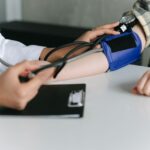
- You check your blood pressure at home or at a pharmacy, often enough to know your pattern.
- You take medication at the same time each day, if prescribed.
- You see a clinician regularly — typically every few months until your numbers are stable, then less often.
- You pay attention to how habits like salt, alcohol, sleep, and stress affect your readings.
- You do not stop medication because you feel fine.
The last point matters more than it sounds. Blood pressure medication does not cure hypertension. It controls it. When people stop taking it because they feel normal, their pressure often climbs back to where it was — sometimes higher. That return is not immediate and not always noticeable, which is exactly why it is dangerous.
Some people worry that taking medication for decades will harm their kidneys or liver. For most of the commonly prescribed classes, the evidence shows the opposite: controlling blood pressure protects the kidneys and other organs. Any concerns about a specific drug should be discussed with a clinician who knows your history, not decided alone.
What Raises the Risk of a Shorter or More Difficult Life?
Untreated or poorly controlled hypertension is the main risk. When blood pressure stays high for years, the damage accumulates.
Established consequences include:
- Stroke — high blood pressure is the leading modifiable risk factor.
- Heart attack and heart failure — the heart works harder and can weaken or thicken over time.
- Kidney disease — damaged blood vessels in the kidneys reduce their filtering ability.
- Vision problems — the small vessels in the retina can be affected.
- Peripheral artery disease — narrowed vessels in the legs and feet.
These outcomes are not inevitable. They are what happens when high blood pressure is left alone for years. The same trials that show medications lower blood pressure also show they reduce these events. That is the point of treatment.
Other factors stack on top of hypertension: smoking, diabetes, high cholesterol, obesity, and a family history of early heart disease. Each one adds risk. Managing blood pressure is one part of managing the whole picture.
Does Treatment Really Make a Difference?
Yes, and this is one of the better-established facts in medicine.
Large randomized trials going back decades have shown that lowering blood pressure reduces the risk of stroke, heart attack, heart failure, and death from cardiovascular causes. The benefit is not small. For people with significantly elevated readings, treatment meaningfully changes the odds of a serious event.
What is less clear is exactly how low to go for every person. Guidelines generally recommend a target below 130/80 mmHg for most adults, but the ideal target can differ for older adults, people with kidney disease, and those with other conditions. This is a conversation to have with a clinician, not a number to chase on your own.
Lifestyle changes also have evidence behind them, though the size of the effect varies. Reducing sodium, losing excess weight, increasing physical activity, and limiting alcohol can each lower blood pressure to some degree. For some people, these changes are enough. For others, they help medication work better but do not replace it.
What About “Natural” Approaches and Supplements?
This is where honesty matters.
Some supplements — including certain forms of magnesium, potassium, and beetroot juice — have shown modest blood pressure effects in some studies. The evidence is mixed, the effects are usually small, and quality control in the supplement industry is inconsistent. None of these replace medication for someone who needs it.
Claims that a specific tea, powder, or device “cures” high blood pressure are not supported by clinical evidence. If a product promises to replace your prescription, treat that as a warning sign.
Potassium deserves a specific note. It can lower blood pressure, but potassium supplements can be dangerous for people with kidney disease or those taking certain medications. Do not add potassium without talking to a clinician first.
How to Make the Day-to-Day Easier
Living with hypertension is mostly about routine. A few practical habits help.
Take medication at the same time every day. Pair it with something you already do — brushing your teeth, morning coffee — so it becomes automatic. Use a pill organizer if you forget doses. Refill prescriptions before they run out, not after.
Measure at home if you can. Home readings often give a clearer picture than a single office reading, which can be affected by stress or the setting itself. Bring your monitor to a checkup occasionally to confirm it reads accurately.
Keep a simple log. Patterns matter more than single numbers. If your readings are drifting up or down, that is useful information for your clinician.
Do not skip checkups because you feel fine. Feeling fine is the normal state for most people with hypertension. It is not evidence that the condition has gone away.
When to Get Help Right Away
Most high blood pressure does not require emergency care. But a reading above 180/120 mmHg is a medical emergency if it comes with symptoms such as chest pain, shortness of breath, severe headache, vision changes, weakness, or difficulty speaking. Call emergency services.
If a reading is above 180/120 mmHg and you feel normal, wait a few minutes and measure again. If it stays that high, contact a clinician promptly. Do not try to bring it down on your own by doubling medication.
Frequently Asked Questions
Can you live a long life with high blood pressure?
Yes, many people with well-controlled hypertension live into their 80s and beyond. The key is keeping blood pressure in a healthy range through treatment and monitoring, not letting it run high for years.
Can high blood pressure go away on its own?
It can improve with sustained lifestyle changes, especially in early or mild cases, but it rarely disappears permanently. Most people need ongoing management, and stopping treatment usually causes pressure to rise again.
Do you have to take medication forever for high blood pressure?
For most people, yes — hypertension is managed, not cured. Some people with mild elevations who make lasting lifestyle changes can reduce or stop medication, but only under a clinician’s guidance.
Can you exercise with high blood pressure?
Yes, regular physical activity is generally recommended and can help lower blood pressure. If your readings are very high or you have other heart conditions, check with a clinician before starting a new routine.
