

Yes, millions of people live for decades with high blood pressure. The condition itself does not shorten your life. What shortens life is untreated high blood pressure, because it quietly damages the heart, brain, kidneys, and blood vessels over many years. Treated and controlled, the outlook is very different from untreated and ignored.
High blood pressure is one of the most common long-term conditions in the United States. It usually causes no symptoms, which is exactly why it earns its reputation as a silent condition. You can feel completely fine while your arteries are under constant extra pressure.
What Happens in Your Body When Blood Pressure Stays High?
Blood pressure is the force of blood pushing against the walls of your arteries. When that force stays higher than normal, the artery walls take a steady beating, day after day, year after year.
Arteries are built to stretch and recoil with each heartbeat. Constant high pressure makes them stiffer and thicker. Stiffer arteries push pressure even higher, which creates a loop that feeds itself. Over time, this process narrows the space inside the arteries and reduces blood flow to organs that depend on it.
The heart feels this first. Pushing against stiffer, narrower arteries means the heart muscle works harder with every beat. Like any muscle that works harder, the heart wall thickens. A thickened heart is less flexible and less able to fill with blood between beats. This is called left ventricular hypertrophy, and it is one of the earliest measurable changes linked to long-term high blood pressure.
Small blood vessels suffer too. In the kidneys, tiny filtering vessels can be damaged, which reduces the kidney’s ability to filter waste. In the eyes, similar small vessels can bleed or leak. In the brain, reduced blood flow and weakened vessel walls raise the risk of stroke.
None of this happens overnight. It develops over years, often silently, which is why blood pressure is measured rather than felt.
Can You Live With High Blood Pressure Long Term?
You can live a full, long life with high blood pressure. The key word is controlled.
Large studies over many decades have found that lowering high blood pressure reduces the risk of stroke, heart attack, heart failure, and kidney disease. The benefit holds across age groups, including in older adults. This is one of the most firmly established findings in medicine.
What the evidence does not support is the idea that you can simply ignore it and be fine. Untreated high blood pressure is a leading contributor to cardiovascular disease and stroke worldwide. The damage is cumulative, meaning the longer pressure stays high, the more opportunity there is for harm.
There is an important distinction here. High blood pressure is a risk factor, not a guaranteed outcome. Two people with the same blood pressure reading can have different outcomes depending on genetics, other health conditions, and how well the pressure is managed. Risk is a probability, not a sentence.
The practical takeaway: the diagnosis changes your long-term health outlook mainly through what you do about it, not through the diagnosis itself.
What Blood Pressure Numbers Mean for Long-Term Risk
Blood pressure is written as two numbers, measured in millimeters of mercury (mm Hg). The top number is systolic pressure, the force when the heart beats. The bottom number is diastolic pressure, the force between beats.
For adults, the categories below are widely used in US clinical practice. A single reading does not diagnose anything. Diagnosis usually requires multiple elevated readings over time.
| Category | Systolic (mm Hg) | Diastolic (mm Hg) |
|---|---|---|
| Normal | Less than 120 | Less than 80 |
| Elevated | 120–129 | Less than 80 |
| Stage 1 high blood pressure | 130–139 | 80–89 |
| Stage 2 high blood pressure | 140 or higher | 90 or higher |
| Hypertensive crisis (seek care) | Higher than 180 | Higher than 120 |
These thresholds matter because the higher the category, the more strongly the evidence supports treatment. But risk is not only about the category. A reading of 135/85 in someone with diabetes or kidney disease carries more concern than the same reading in an otherwise healthy person.
Blood pressure also rises naturally with age in many people as arteries stiffen. This is common but not harmless. It is one reason regular monitoring matters more as you get older.

How Long Can You Live With High Blood Pressure?
There is no fixed number of years attached to a high blood pressure diagnosis. Life expectancy depends far more on whether the pressure is controlled and whether other risk factors are present.
Research consistently shows that people who keep their blood pressure in a healthy range have a lower risk of cardiovascular events and tend to live longer than those who do not. This is true whether the pressure is lowered through lifestyle changes, medication, or both.
Several factors shift the picture:
- Whether blood pressure is controlled most of the time, not just occasionally
- Whether other conditions are present, such as diabetes, high cholesterol, or kidney disease
- Smoking, which multiplies cardiovascular risk
- Age at diagnosis and how long pressure has been elevated
- How consistently treatment is followed
No honest source can promise a specific number of years. What the evidence does support is that controlling blood pressure is one of the most effective things a person can do to protect long-term heart and brain health.
What Happens If High Blood Pressure Is Not Treated?
Untreated high blood pressure damages organs slowly and often without warning. The damage tends to show up as specific conditions rather than as a general feeling of being unwell.
The most common consequences include:
- Stroke — high pressure weakens blood vessels in the brain and raises the risk of both blockage and bleeding
- Heart attack — narrowed arteries reduce blood flow to the heart muscle
- Heart failure — a thickened, stiff heart eventually struggles to pump effectively
- Kidney disease — damaged filtering vessels reduce kidney function over time
- Vision problems — small vessels in the eye can leak or bleed
- Peripheral artery disease — reduced blood flow to the legs
These outcomes are not inevitable. They are more likely when pressure stays high for years without treatment. This is the core reason high blood pressure is treated even when a person feels perfectly well.
Can Lifestyle Changes Alone Control High Blood Pressure?
For some people with mildly elevated pressure, lifestyle changes can lower blood pressure enough to make a meaningful difference. For others, lifestyle changes help but are not sufficient on their own.
The evidence is strongest for a few specific changes:
- Reducing sodium intake, which can lower blood pressure in many people
- Regular physical activity, which has a modest but consistent effect
- Losing excess weight, which tends to lower pressure
- Limiting alcohol
- Eating a pattern rich in vegetables, fruits, and whole grains and lower in saturated fat
These changes are well supported. What is less certain is how much any single person will respond. Response varies widely. Some people see large drops, others see small ones.
When blood pressure is clearly in the stage 2 range, or when other conditions raise risk, medication is usually needed alongside lifestyle changes. This is not a failure of effort. It reflects how much pressure needs to come down and how the body responds.
Does Treatment Really Change the Long-Term Outcome?
Yes. This is one of the best-supported findings in cardiovascular medicine.
Clinical trials over several decades have found that lowering blood pressure reduces the risk of stroke, heart attack, and heart failure. The benefit appears in younger and older adults alike, and in people with and without other conditions.
What the evidence does not show is that any single treatment works for everyone. Some people respond well to one medication and not another. Some need two or three medicines together. Finding the right combination often takes time and adjustment.
It is also worth noting that treatment aims are not identical for everyone. A person with diabetes, kidney disease, or a history of stroke may have a lower target than someone without those conditions. This is why blood pressure care is individualized rather than one-size-fits-all.
The reassuring part is that the direction of benefit is clear. Lowering high blood pressure lowers risk. The exact target and method are decisions to make with a clinician.
What Should You Do If You Have High Blood Pressure?
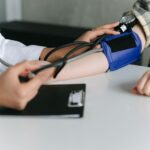
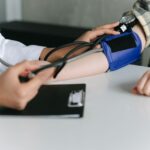
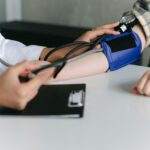
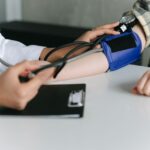
Get it measured and keep measuring it. You cannot manage what you do not track.
Home blood pressure monitors are widely available and, when used correctly, can give a more complete picture than occasional clinic readings. Measure at consistent times, sit quietly for a few minutes beforehand, and keep a record to share with your clinician.
Take medication as prescribed if it is prescribed. Skipping doses because you feel fine is one of the most common reasons blood pressure stays uncontrolled.
Keep regular appointments. Blood pressure management is a long game, and it works best when it is monitored and adjusted over time rather than set once and forgotten.
Frequently Asked Questions
Can you live a normal life with high blood pressure?
Yes, most people with high blood pressure live full, active lives when the condition is managed. The diagnosis itself does not limit daily life, but untreated pressure raises the risk of serious problems over time.
How long can you live with high blood pressure without treatment?
There is no fixed number, but untreated high blood pressure raises the long-term risk of stroke, heart attack, heart failure, and kidney disease. The risk grows the longer pressure stays high.
Does high blood pressure shorten your life?
Untreated high blood pressure is linked to a higher risk of cardiovascular disease and earlier death. When pressure is controlled, that risk is substantially reduced.
Can high blood pressure go away on its own?
High blood pressure usually does not resolve on its own, though lifestyle changes can lower it. Some cases caused by another condition or medication can improve when that cause is addressed.
