

You’re standing at the sink with a tissue pressed to your nose, and a thought crosses your mind: could this be my blood pressure? It’s one of the most common health worries people bring to doctors, and the answer is more interesting than a simple yes or no. For most people, a nosebleed is not a sign of high blood pressure. But the two do cross paths in ways worth understanding, especially if you already have a hypertension diagnosis or take blood pressure medication.
Does High Blood Pressure Cause Nosebleeds?
For the average person with high blood pressure, the answer is no. High blood pressure does not directly cause nosebleeds.
This idea has been repeated for so long that many people accept it as fact. But when researchers have looked at the relationship, the picture is different. Some studies have found that people who go to the emergency room with nosebleeds tend to have slightly higher blood pressure than people who don’t. Other studies find no meaningful link at all. The results are mixed.
There’s an important detail that often gets lost. Blood pressure rises during a nosebleed — sometimes quite a bit — because stress, pain, and anxiety push it up. So when someone arrives at a clinic with a bleeding nose and their reading is high, it’s hard to know which came first. The elevated pressure may be a response to the nosebleed, not the cause of it.
What the evidence does support is a connection between high blood pressure and more frequent, longer, or harder-to-stop nosebleeds in people who already have hypertension. The bleeding isn’t caused by the pressure itself. It’s more about how high pressure affects the small blood vessels inside the nose over time.
Why Do People Think High Blood Pressure Causes Nosebleeds?
The belief is old and widespread. It shows up in folk medicine, in family stories, and in the way some people check their blood pressure after a nosebleed. There are a few reasons it sticks around.
First, both nosebleeds and high blood pressure are common. When two common things happen together, people naturally assume one caused the other. This is a classic case of confusing correlation with causation.
Second, nosebleeds can be dramatic. A heavy one is frightening, and it’s natural to look for a serious explanation. High blood pressure feels like a serious explanation.
Third, there is a real grain of truth underneath the myth. People with hypertension do seem to have more trouble with nosebleeds than people with normal blood pressure. That grain of truth has grown into a much broader claim than the evidence supports.
A non-obvious point: the nose is packed with tiny blood vessels near the surface, and they are fragile. Most nosebleeds come from a small area on the front part of the nasal septum called Kiesselbach’s plexus. These vessels bleed easily from dryness, picking, colds, or a bump — not from the pressure inside them.
What Actually Causes Nosebleeds?
Most nosebleeds have ordinary causes. Dry air is the most common one. Winter heating, low humidity, and air conditioning all dry out the nasal lining and make those surface vessels crack.
Other common triggers include:
- Nose picking or blowing too hard
- Colds, allergies, and sinus infections that irritate the lining
- Nasal sprays used for more than a few days in a row
- Dryness from oxygen therapy or CPAP machines
- A deviated septum or other structural issue
- Blood-thinning medications like warfarin, apixaban, or even daily aspirin
- Trauma to the nose
- Rarely, a bleeding disorder or a tumor in the nose or sinuses
Notice what’s missing from that list. Ordinary high blood pressure is not a leading cause of nosebleeds. If you get nosebleeds often, the more useful questions are about dryness, medications, and nasal habits — not just your blood pressure reading.

When Should a Nosebleed Worry You?
Most nosebleeds stop on their own or with simple pressure, and they are not dangerous. But some need medical attention.
Get medical help if:
- Bleeding lasts more than 20 minutes despite pinching the nose
- The bleeding is very heavy or you feel faint, weak, or short of breath
- You are taking a blood thinner and can’t stop the bleeding
- The nosebleed follows a head injury or a fall
- You are bleeding from both nostrils at once along with other unusual bleeding, like gums that won’t stop or easy bruising
- Nosebleeds keep returning and you don’t know why
If you have high blood pressure and get a nosebleed, don’t panic about your pressure. Treat the nosebleed first. Sit upright, lean slightly forward, and pinch the soft part of your nose just below the bony bridge for a full 10 to 15 minutes without letting go to check. Leaning forward keeps blood from running down your throat.
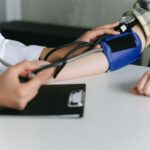
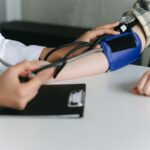
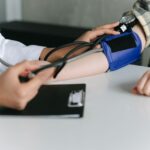
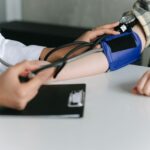
Once the bleeding stops, you can check your blood pressure calmly. A single high reading during or right after a nosebleed doesn’t tell you much, because stress and pain raise it temporarily.
Can High Blood Pressure Make Nosebleeds Worse?
This is where the relationship gets more real. In people who already have hypertension, nosebleeds may be more frequent and harder to control. The evidence here is stronger than for the idea that high blood pressure causes nosebleeds in the first place.
One reason may be that long-standing high pressure damages small blood vessels over time, making them more likely to leak or rupture. Another is that many people with hypertension also take medications that affect clotting, such as aspirin, which is sometimes prescribed for heart protection. That combination — fragile vessels plus a blood thinner — can make bleeding more likely and longer lasting.
Some clinicians also note that people with untreated or poorly controlled hypertension seem to have more recurrent nosebleeds. This is a reasonable clinical observation, but it’s not the same as proof that lowering blood pressure will stop nosebleeds. No large trial has confirmed that treating hypertension reduces nosebleed frequency. So it’s fair to say the link is plausible and supported by some evidence, but not firmly established.
Does Treating High Blood Pressure Stop Nosebleeds?
There’s no strong evidence that lowering your blood pressure will prevent nosebleeds. That’s an honest answer, and it’s worth saying plainly.
What we do know is that controlling blood pressure is important for many other reasons — stroke, heart attack, kidney disease, and more. Those benefits are well established. If you have hypertension, managing it is worth doing regardless of whether it changes your nosebleeds.
If nosebleeds are a recurring problem for you, the more effective steps usually involve the nose itself, not your blood pressure. Keeping the nasal lining moist with a saline spray or a bit of petroleum jelly at the nostrils, using a humidifier in dry rooms, and avoiding nose picking can make a real difference. If you take a blood thinner, talk with your doctor before changing anything — never stop a prescribed medication on your own.
If you’re getting frequent nosebleeds and you have high blood pressure, it’s reasonable to mention both to your doctor. They can look at your medications, check for other causes, and help you sort out what’s actually driving the bleeding.
The Bottom Line
High blood pressure does not directly cause nosebleeds for most people. The two are linked in a looser way: people with hypertension may have more frequent or harder-to-stop nosebleeds, partly because of vessel damage over time and partly because of medications that affect bleeding.
The next time you have a nosebleed, treat the nosebleed. Then, when things are calm, think about the usual suspects — dry air, nose picking, colds, and medications. Your blood pressure matters for your health, but it’s probably not the reason your nose is bleeding.
Frequently Asked Questions
Can high blood pressure cause a nosebleed?
No, high blood pressure does not directly cause nosebleeds in most people. Some studies find a loose link between hypertension and more frequent nosebleeds, but the evidence is mixed and doesn’t show cause and effect.
Why does my blood pressure go up during a nosebleed?
Stress, pain, and anxiety from the nosebleed itself raise your blood pressure temporarily. That’s why a high reading during or right after a nosebleed doesn’t necessarily mean your pressure is normally high.
Should I check my blood pressure during a nosebleed?
No, wait until the bleeding has stopped and you feel calm. Checking during a nosebleed will likely give you a falsely high reading that doesn’t reflect your usual pressure.
When should I see a doctor for nosebleeds?
See a doctor if bleeding lasts more than 20 minutes, is very heavy, follows a head injury, or keeps coming back. If you take a blood thinner and can’t stop the bleeding, seek care right away.
