

Yes — dehydration can raise blood pressure, but usually only in specific situations. The relationship is not simple, and in some cases dehydration actually lowers blood pressure. Understanding when and why matters, especially if you take medication for hypertension or are monitoring your own readings at home.
Can Being Dehydrated Cause High Blood Pressure?
Dehydration triggers a compensatory response in the body that can raise blood pressure. When blood volume drops, the kidneys release renin, which sets off a chain of events leading to the production of angiotensin II — a powerful blood vessel constrictor. The result is that blood vessels narrow to maintain adequate pressure for organ perfusion.
This is the body trying to protect itself, not harm itself. The problem is that in people who already have hypertension, this compensatory narrowing can push blood pressure higher than it otherwise would be. In someone with normal blood pressure and normal kidney function, the effect is usually modest and temporary.
There is also a less obvious mechanism at play. Dehydration can stimulate the sympathetic nervous system — the same system activated during stress or exercise. This increases heart rate and causes further blood vessel constriction. The combined effect of hormonal and nervous system activation is what makes dehydration a potential contributor to elevated readings in certain people.
Why Does Dehydration Affect Blood Pressure Differently in Different People?
Not everyone responds the same way. The effect depends heavily on underlying health, medications, and how dehydrated a person actually is.
In a healthy adult who misses a few glasses of water, blood pressure typically stays within normal range. The body compensates efficiently. But in someone taking diuretics for high blood pressure, dehydration can be more significant. Diuretics work by reducing fluid volume — adding dehydration on top of that can cause blood pressure to drop sharply, leading to dizziness or fainting rather than elevation.
Older adults are more vulnerable to dehydration-related blood pressure changes for several reasons. The thirst response weakens with age. Kidney function may be reduced. Blood vessels are often stiffer. Some research suggests that older adults may experience more pronounced blood pressure variability with changes in hydration status, though the evidence is not uniform across all studies.
People with certain conditions also respond differently:
- Those with autonomic dysfunction may not regulate blood pressure properly during fluid shifts
- People with heart failure need careful fluid management, and both over- and under-hydration can cause problems
- Individuals with kidney disease may have impaired ability to concentrate urine, affecting hydration balance
This is why blanket advice about hydration and blood pressure does not work. The context matters enormously.
What Are the Signs That Dehydration Is Affecting Your Blood Pressure?
The symptoms overlap with general dehydration, which makes it hard to distinguish without measuring blood pressure directly.
Common signs include:
- Dizziness or lightheadedness, especially when standing up
- Fatigue that does not improve with rest
- Headache
- Dark yellow urine or reduced urination
- Dry mouth and lips
- Rapid heartbeat
If blood pressure is rising due to dehydration, a person might also notice headaches that feel different from their usual pattern, or a sense of pressure in the head. But these are nonspecific symptoms. Many things cause headaches and dizziness.
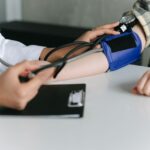
The only reliable way to know whether dehydration is affecting blood pressure is to check blood pressure — ideally both when well-hydrated and when dehydrated — and compare. A home blood pressure monitor can help track patterns over time. Single readings are less useful than trends.



Can Drinking More Water Lower Blood Pressure?
For most people with normal kidney function, drinking adequate water does not directly lower blood pressure. The evidence for water as a blood pressure treatment is limited.
Some research suggests that in people with low blood pressure (hypotension), drinking water can raise it temporarily. This is a recognized effect in certain clinical situations, such as after eating in older adults with postprandial hypotension. But that is the opposite of what someone with high blood pressure is looking for.
For hypertension specifically, the evidence that increasing water intake lowers blood pressure is weak. A few small studies have shown modest reductions, but the results are inconsistent. No large trial has confirmed that drinking more water is an effective stand-alone strategy for lowering high blood pressure.
What is clear is that severe dehydration can worsen blood pressure control in some people. Preventing dehydration is reasonable. Expecting water to fix hypertension is not supported by strong evidence.
How Does Dehydration Compare to Other Blood Pressure Triggers?
Dehydration is one of many factors that can influence blood pressure. It is rarely the primary cause of chronic hypertension.
Established contributors to high blood pressure include:
- Excess sodium intake
- Obesity
- Physical inactivity
- Excessive alcohol consumption
- Smoking
- Chronic stress
- Certain medications
- Kidney disease and hormonal disorders
Dehydration can amplify these effects or cause temporary spikes, but it is not typically the root cause of sustained hypertension. If someone has consistently high blood pressure readings and is also chronically dehydrated, addressing hydration may help — but it is unlikely to solve the problem alone.
It is also worth noting that some blood pressure medications affect fluid balance. Diuretics, in particular, are designed to reduce fluid volume. People taking diuretics need to be especially careful about dehydration, but the concern is usually low blood pressure and electrolyte imbalance, not high blood pressure.
When Should You Be Concerned About Dehydration and Blood Pressure?
Seek medical attention if you experience:
- Blood pressure readings that are unusually high or low for you
- Severe dizziness or fainting
- Confusion or difficulty concentrating
- Chest pain or shortness of breath
- Very little urination or dark, concentrated urine that persists
- Rapid heartbeat that does not resolve with rest and fluids
These symptoms could indicate serious dehydration or another medical issue. Do not try to manage them on your own.
For people with diagnosed hypertension, it is reasonable to discuss hydration with a doctor, especially if blood pressure readings fluctuate significantly. Some clinicians recommend paying attention to fluid intake as part of overall blood pressure management, though the evidence for this specific approach is not strong.
There is no universal recommendation for how much water someone with hypertension should drink. Needs vary based on climate, activity level, medications, kidney function, and other health conditions. The general guidance to drink when thirsty and maintain pale yellow urine is reasonable for most healthy adults, but it is not a treatment for high blood pressure.
Does Dehydration Cause High Blood Pressure or Low Blood Pressure?
It can do either, depending on the circumstances. This is one of the most misunderstood aspects of hydration and blood pressure.
Mild dehydration in a healthy person often has little effect. Moderate dehydration can trigger compensatory mechanisms that raise blood pressure in some individuals. Severe dehydration typically causes blood pressure to drop because there is not enough blood volume to maintain pressure — this is a medical emergency.
The distinction matters because the advice differs. If dehydration is causing high blood pressure, rehydrating may help bring it down. If dehydration is causing low blood pressure, rehydrating is also the answer, but the concern is different — fainting, falls, and organ hypoperfusion.
For someone with hypertension, the more common scenario is that dehydration contributes to temporary spikes rather than sustained elevation. Chronic high blood pressure almost always has other underlying causes.
Frequently Asked Questions
Can dehydration cause high blood pressure?
Yes, dehydration can raise blood pressure by triggering blood vessel constriction and activating the sympathetic nervous system. However, this effect is usually temporary and more pronounced in people who already have hypertension or take certain medications.
Does drinking water lower blood pressure?
For most people, drinking more water does not directly lower blood pressure. The evidence that increased water intake reduces hypertension is limited and inconsistent, though preventing severe dehydration is still important for overall health.
How do I know if dehydration is affecting my blood pressure?
The only reliable way is to check your blood pressure when hydrated and when dehydrated and compare. Symptoms like dizziness, headache, and dark urine can suggest dehydration but do not confirm its effect on blood pressure.
Should I drink more water if I have high blood pressure?
Staying adequately hydrated is reasonable for general health, but there is no strong evidence that increasing water intake treats high blood pressure. Discuss fluid intake with your doctor, especially if you take diuretics or have kidney or heart conditions.
