

High blood pressure is not always permanent. Some people can bring their numbers down to normal through lifestyle changes alone, and a small number of cases are caused by a specific condition that can be treated and resolved. For most people, though, hypertension is a long-term condition that can be controlled but not cured in the sense of eliminating it forever.
The answer depends almost entirely on which type you have. Primary hypertension, which accounts for the large majority of cases, has no single identifiable cause and tends to persist. Secondary hypertension has a known underlying cause, and correcting that cause can sometimes normalize blood pressure entirely.
What matters most is not whether the word “cure” applies to you. It is whether your blood pressure is controlled. Uncontrolled hypertension damages arteries, the heart, the brain, and the kidneys over years, often without any symptoms at all.
What Is the Difference Between Primary and Secondary Hypertension?
Primary hypertension has no single identifiable cause. It develops gradually over years through a combination of genetics, age, body weight, diet, physical activity, and other factors that interact in ways researchers still do not fully understand. Roughly 90 to 95 percent of adult hypertension cases are primary.
Secondary hypertension means a specific condition is driving the blood pressure up. Kidney disease is one of the more common causes. Others include certain hormonal disorders such as primary aldosteronism, thyroid problems, and sleep apnea. Some medications, including certain decongestants, nonsteroidal anti-inflammatory drugs, and some hormonal contraceptives, can also raise blood pressure.
This distinction matters because secondary hypertension is the type most likely to be resolved. When the underlying condition is treated, blood pressure often returns to normal. That does not mean every case of secondary hypertension is curable. Some underlying conditions are manageable but not reversible.
Primary hypertension, by contrast, is generally not something that goes away permanently. It can be controlled, sometimes so well that blood pressure stays in the normal range for years. But control is not the same as cure.
Can High Blood Pressure Go Away on Its Own?
In some situations, yes. Blood pressure that is mildly elevated can return to normal without medication, particularly when it is linked to factors that can be changed.
Weight loss is one of the most reliable. Blood pressure tends to rise as body weight increases and fall as it decreases. Reducing sodium intake can lower blood pressure in people who are salt-sensitive, which is a meaningful proportion of the population. Regular aerobic exercise, limiting alcohol, and getting enough sleep all have measurable effects.
There is a category called white coat hypertension, where blood pressure reads high in a clinic but is normal at home. This is not true hypertension, though it is not entirely benign either. Some research suggests people with white coat hypertension are at somewhat higher risk of developing sustained hypertension later, so monitoring matters.
The honest caveat: lifestyle changes work better for some people than others. Genetics and age set a floor that diet and exercise cannot always push past. Someone with a strong family history and decades of elevated readings may find that lifestyle alone is not enough, no matter how disciplined they are.
Is High Blood Pressure Permanent If You Take Medication?
Starting medication does not mean you are on it forever. It also does not mean the hypertension is “cured” if you stop.
Blood pressure medications work by interfering with the systems that raise pressure — the force of heart contractions, the resistance in blood vessels, the volume of fluid in the body, or hormonal signals that regulate all three. They do not fix the underlying tendency toward high blood pressure. When the medication is removed, blood pressure usually climbs back toward where it was.
Some people can reduce or stop medication after sustained lifestyle changes. This is a decision that needs to be made with a clinician, not on your own. Stopping suddenly can cause blood pressure to spike, and for some drugs, abrupt withdrawal carries its own risks.
There is a practical point here that gets lost. Whether you need medication is not a judgment about your effort or your health habits. It reflects how your body regulates blood pressure, which is influenced by things you cannot control.




Can Secondary Hypertension Be Cured?
Sometimes. It depends on the cause.
Primary aldosteronism, a hormonal disorder where the adrenal glands produce too much aldosterone, is one of the more common causes of secondary hypertension. When it is caused by a benign tumor on one adrenal gland, surgical removal can normalize blood pressure in some patients, though not all. When both glands are involved, medication is usually the approach.
Renal artery stenosis, a narrowing of the arteries that supply the kidneys, can sometimes be treated with procedures that restore blood flow. Results vary, and not everyone sees their blood pressure normalize afterward.
Obstructive sleep apnea is another cause that is often overlooked. Treating it with CPAP or other interventions can lower blood pressure, though the effect is modest in many people and not everyone responds.
If your blood pressure is resistant to treatment — meaning it stays high despite three or more medications including a diuretic — secondary causes are worth investigating. This is a situation where finding and treating the underlying problem can change the entire picture.
What Does “Controlled” Mean for Blood Pressure?
Controlled means your blood pressure stays within a range that lowers your risk of heart attack, stroke, kidney damage, and other complications. For most adults, that means below 130/80 mm Hg, though targets can differ based on age, other conditions, and individual risk.
Control is not a one-time achievement. It is an ongoing state that depends on medication, lifestyle, and regular monitoring. Blood pressure can drift over time, so what worked two years ago may not be enough now.
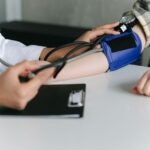
Home monitoring is one of the more useful tools. Readings taken at home often give a clearer picture than clinic readings alone, partly because they avoid the white coat effect. A validated upper-arm cuff is generally recommended over wrist or finger devices.
| Category | Systolic (mm Hg) | Diastolic (mm Hg) |
|---|---|---|
| Normal | Less than 120 | Less than 80 |
| Elevated | 120–129 | Less than 80 |
| Stage 1 hypertension | 130–139 | 80–89 |
| Stage 2 hypertension | 140 or higher | 90 or higher |
| Hypertensive crisis | Higher than 180 | Higher than 120 |
These categories come from established clinical guidelines and are used to guide treatment decisions. A single high reading does not diagnose hypertension. Diagnosis typically requires multiple elevated readings on separate occasions.
Can You Ever Stop Worrying About High Blood Pressure?
If your blood pressure has been normal for years without medication, and it was never clearly diagnosed as hypertension, then yes, the concern may not apply to you. But if you have been diagnosed with primary hypertension, the underlying tendency does not disappear.
That does not mean living in fear. It means understanding that blood pressure is something to keep an eye on, the way you might keep an eye on cholesterol or blood sugar. The goal is not perfection. It is keeping the numbers in a range that protects your arteries over decades.
One thing worth knowing: high blood pressure usually has no symptoms. People often feel fine right up until a stroke or heart attack happens. That is why it is called the silent killer, and why monitoring matters even when you feel completely well.
Whether your hypertension is permanent or potentially reversible, the practical answer is the same. Get it measured. Get it treated if it is high. Keep it controlled. The distinction between cure and control matters for understanding your condition, but it does not change what you need to do.
Frequently Asked Questions
Can high blood pressure go away permanently?
In some cases, yes — particularly when it is caused by a treatable condition or when mild elevations respond to sustained lifestyle changes. For most people with primary hypertension, blood pressure can be controlled but the underlying tendency remains.
Can you live a normal life with high blood pressure?
Yes. With treatment and monitoring, most people with hypertension live full, active lives without symptoms. The key is keeping blood pressure controlled, because uncontrolled hypertension raises the risk of stroke, heart attack, and kidney damage over time.
What is the main cause of high blood pressure?
For most people, there is no single cause. Primary hypertension develops from a mix of genetics, age, weight, diet, activity level, and other factors. A smaller number of cases are caused by an identifiable condition such as kidney disease or a hormonal disorder.
Can losing weight cure high blood pressure?
Weight loss can lower blood pressure meaningfully, and some people who lose a significant amount are able to reduce or stop medication. It does not cure hypertension in everyone, and any medication changes should be made with a clinician.
