
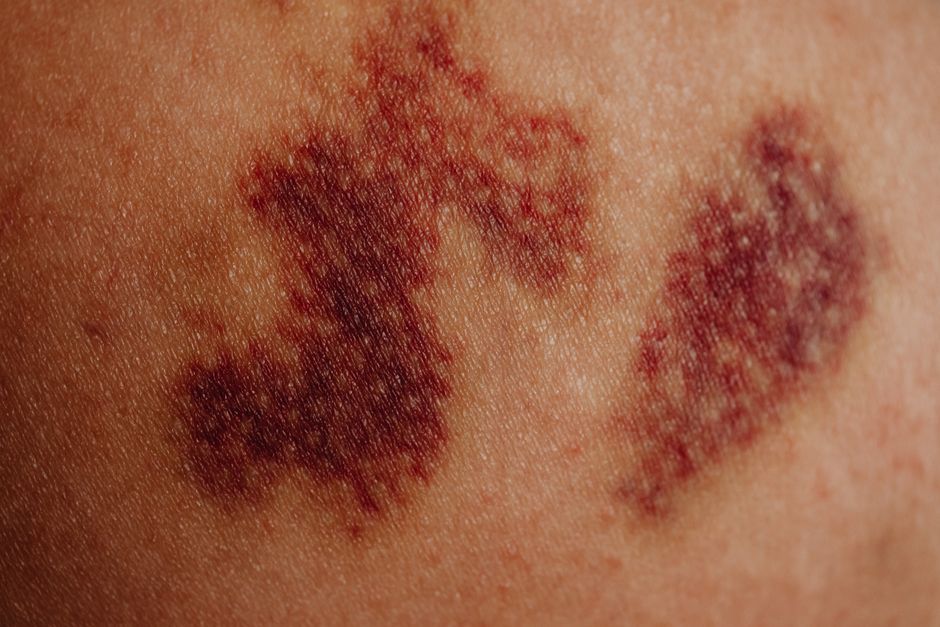
Blood pooling happens when blood collects in the veins of your legs, feet, or hands instead of flowing smoothly back to your heart. For most healthy people, it is a temporary and harmless response to sitting or standing still for a long time. But in certain situations — especially after surgery, during long periods of immobility, or in people with circulation problems — pooling can signal a real risk that deserves medical attention.
The short answer is that blood pooling itself is usually not dangerous. What matters is why it is happening, how long it lasts, and whether a clot forms. The danger comes from the complications, not the pooling alone.
What Actually Happens When Blood Pools?
Your veins have a tough job. They move blood upward against gravity, from your feet back to your heart. They rely on three things to do it: one-way valves inside the vein walls, the squeezing action of your leg muscles, and normal pressure from breathing.
When you sit or stand still for a long time, your calf muscles stop pumping. The valves can only do so much on their own. Blood then collects in the lower legs, and the veins stretch to hold the extra volume. This is why your ankles may look swollen after a long flight or a movie marathon.
This is called venous stasis. It is a mechanical problem, not a disease by itself. In a healthy person, standing up and walking restores normal flow within minutes.
Some people have a harder time clearing pooled blood. Weak vein walls, damaged valves, or a history of vein problems make it easier for blood to sit. That is when pooling becomes a symptom worth watching rather than a passing inconvenience.
Is Blood Pooling Dangerous the Health Risks Explained
Pooling becomes dangerous when it leads to a blood clot, also called a deep vein thrombosis or DVT. A clot can form in a slow-moving pool of blood, especially in the deep veins of the calf or thigh. This is the main health risk tied to prolonged pooling.
The serious concern is not the clot sitting in your leg. It is what happens if part of it breaks loose. A piece can travel through the bloodstream to the lungs, where it blocks blood flow. This is called a pulmonary embolism, and it can be life-threatening.
Not everyone who has pooling is at risk of a clot. Risk rises with specific factors:
- Recent surgery, especially hip, knee, or abdominal procedures
- Long periods of immobility, such as a flight over four hours or bed rest after illness
- A personal or family history of blood clots
- Active cancer or cancer treatment
- Pregnancy and the weeks after childbirth
- Use of estrogen-based medications, including some birth control pills and hormone therapy
- Older age and being overweight
- Smoking
These factors do not act alone. A person with two or three of them faces a higher combined risk than someone with none. This is why doctors assess clot risk as a whole picture rather than a single checkbox.
It is worth separating two things that often get confused. Chronic venous insufficiency — where veins struggle to return blood over the long term — can cause swelling, skin changes, and discomfort. It is a different problem from an acute clot, and it develops slowly. Both involve pooling, but they carry different risks and need different care.
How Do You Know If Pooling Is a Problem?
Ordinary pooling from sitting too long feels like heaviness, mild swelling, or warmth in the legs. It eases when you move. That pattern is reassuring.
Signs that need medical attention are different. Watch for:
- Swelling in one leg but not the other
- Pain or tenderness in the calf or thigh, sometimes described as a cramp that will not go away
- Skin that feels warm to the touch in one area
- Redness or discoloration in one leg
These can point to a DVT. If a clot has already traveled to the lungs, symptoms may include sudden shortness of breath, chest pain that worsens with a deep breath, a fast heartbeat, or coughing up blood. These are emergency signs. Call 911 or seek immediate care.
One detail that surprises many people: a DVT does not always cause obvious symptoms. Some clots are found only when a doctor investigates swelling or another concern. That is part of why risk assessment matters more than waiting for clear signs.


Who Is Most at Risk From Blood Pooling?
People who cannot move their legs normally face the highest risk. That includes anyone recovering from major surgery, people on prolonged bed rest, and those with paralysis or limited mobility.
Travelers on long trips are a well-known group, but the risk is often overstated for healthy people. A person with no other risk factors who takes a long flight has a low chance of a clot. The risk climbs when travel combines with other factors like recent surgery, a clotting disorder, or hormone use.
Pregnancy is a distinct situation. The growing uterus presses on veins in the pelvis, and changes in blood clotting make clots more likely. The risk stays elevated for several weeks after delivery. Pregnant and postpartum women with leg swelling or pain should be checked rather than waiting it out.
Office workers who sit for many hours a day are often told they are at high risk. The evidence here is more modest. Sitting for long stretches is linked to pooling and discomfort, but the clot risk for a generally healthy desk worker is far lower than for someone recovering from surgery. Context matters more than hours logged in a chair.
Can You Prevent Blood Pooling?
Movement is the most reliable way to keep blood from collecting. When you can walk, walk. When you cannot, working the calf muscles helps push blood back up.
Practical steps that are widely recommended:
- Stand and move every hour or two when sitting for long periods
- Flex and point your feet, or circle your ankles, while seated
- Stay hydrated
- Avoid crossing your legs for long stretches
- Wear loose clothing that does not press on your legs
For people at higher clot risk, doctors sometimes recommend compression stockings or, in specific cases, preventive blood-thinning medication. These are medical decisions, not self-care choices. Compression stockings come in different pressure levels, and the wrong fit can do more harm than good. If you have a circulation condition, always check with a clinician before using them.
After surgery, hospitals often start prevention measures early — early walking, compression devices, or medication — because the days right after an operation carry the highest clot risk. If you are scheduled for surgery, ask what will be done to lower your risk.
When Should You See a Doctor?
See a doctor if you have swelling or pain in one leg, especially if it came on suddenly or follows surgery, travel, or a period of immobility. Do not massage the area. Massaging a possible clot is not advised because of concern it could dislodge part of it.
Get emergency care right away for sudden shortness of breath, chest pain, fainting, or coughing up blood. These can signal a clot in the lungs, which needs immediate treatment.
For everyday pooling — mild ankle swelling after a long day, heaviness in the legs that fades with movement — there is usually no cause for alarm. Mention it at your next checkup if it happens often, since recurring swelling can be a sign of vein problems worth evaluating.
The bottom line: pooling is common and mostly harmless. The danger lies in the clot it can occasionally produce, and that risk is concentrated in people with specific conditions and situations. Knowing your own risk factors is the most useful thing you can do.
Frequently Asked Questions
Is blood pooling in the legs dangerous?
Blood pooling is usually harmless in healthy people and clears with movement. It becomes dangerous mainly when it leads to a blood clot, which is more likely after surgery, during long immobility, or in people with certain risk factors.
How long can blood pool before it becomes a problem?
There is no fixed time limit that applies to everyone. Risk depends on your overall clot risk factors rather than the number of hours alone, though immobility lasting several hours or more raises concern in higher-risk people.
Can blood pooling cause a stroke?
Pooling in the leg veins does not directly cause a stroke. The main concern with leg clots is a pulmonary embolism, where a clot travels to the lungs, not the brain.
Does blood pooling go away on its own?
Pooling from sitting or standing still usually resolves within minutes once you move around. Ongoing or one-sided swelling should be checked by a doctor rather than waited out.
