
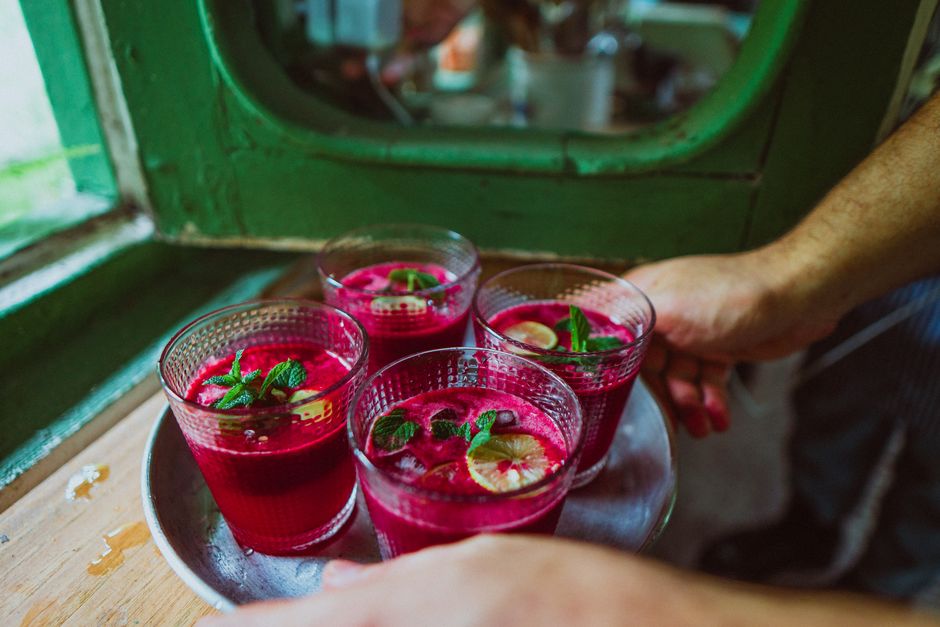
Beet juice can lower blood pressure, and the evidence for this is strong. Studies have consistently found that drinking beet juice leads to a measurable drop in blood pressure within a few hours. This effect comes from the nitrates in beets, which your body converts into a molecule that relaxes blood vessels. It is not a replacement for medication, but it is a legitimate, food-based approach that can support healthy blood pressure levels.
How Does Beet Juice Lower Blood Pressure?
Beets are naturally rich in inorganic nitrates. When you drink beet juice, those nitrates travel through your bloodstream to your saliva, where bacteria on your tongue convert them into nitrite. When you swallow, that nitrite reaches your stomach and is absorbed into your blood.
From there, your body converts nitrite into nitric oxide. Nitric oxide is a signaling molecule that tells the smooth muscle cells in your blood vessel walls to relax. When those vessels relax, they widen. Wider vessels mean less resistance to blood flow, which directly lowers blood pressure.
This is not a theory. The pathway from dietary nitrate to nitric oxide is well established in human physiology. The effect has been confirmed in dozens of clinical trials. Some research suggests the drop in systolic blood pressure (the top number) can be around 4 to 10 mmHg within three to six hours of drinking beet juice.
How Much Beet Juice Do You Need?
Most clinical studies use a specific amount of beet juice, usually around 250 to 500 milliliters, which is about one to two cups. That serving typically contains between 300 and 500 milligrams of nitrate. This is the dose that research has repeatedly shown to produce a measurable blood pressure response.
You do not need to drink this every day to see an effect. Studies show a single dose lowers blood pressure for several hours. Some research suggests that daily consumption can lead to sustained reductions over weeks, though the effect may diminish slightly as your body adapts.
If you are buying commercial beet juice, check the label. Many juices are mixed with apple or other fruit juices, which add sugar and lower the nitrate content. Look for pure beet juice or a product that lists beets as the primary ingredient.
How Long Does the Effect Last?
The blood pressure lowering effect of beet juice peaks about three to six hours after drinking it. The effect then gradually fades over the next 24 hours. This means the benefit is temporary, not permanent.
For a sustained effect, you would need to drink it regularly. Some studies have looked at daily consumption over two to four weeks and found that blood pressure remains lower during that period. Once you stop, blood pressure returns to its previous level.
This temporary nature is important to understand. Beet juice is not a cure. It is a tool you can use daily, similar to how some people use exercise or dietary changes to manage blood pressure.
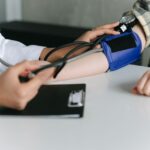

Is It as Effective as Blood Pressure Medication?
No. This is a critical distinction. Blood pressure medications are rigorously tested, precisely dosed, and proven to reduce the risk of heart attack, stroke, and death. Beet juice has not been shown to do any of that.
The blood pressure reduction from beet juice is real, but it is smaller than what most medications achieve. A typical medication might lower systolic blood pressure by 10 to 15 mmHg. Beet juice lowers it by roughly half that amount.
If you have been prescribed blood pressure medication, do not stop taking it in favor of beet juice. There is no evidence that beet juice can replace medication. If you are interested in adding beet juice to your routine, talk to your doctor first. Some people who take nitrates for chest pain should avoid beet juice because it can cause dangerously low blood pressure.
Who Should Be Careful With Beet Juice?
Most healthy adults can drink beet juice safely. But there are important exceptions.
People taking nitroglycerin or other nitrate medications for chest pain should avoid beet juice. Combining dietary nitrates with prescription nitrates can cause blood pressure to drop too low.
People with kidney stones may also need to be cautious. Beets are high in oxalates, which are compounds that can contribute to the formation of calcium oxalate kidney stones. If you have a history of kidney stones, talk to your doctor before making beet juice a regular habit.
Beet juice can also turn your urine and stools pink or red. This is harmless and temporary, but it can be alarming if you do not expect it. The medical term is beeturia, and it affects about 10 to 14 percent of people.
Pregnant women should also be cautious. No large studies have confirmed the safety of concentrated beet juice during pregnancy. The evidence is simply not there. If you are pregnant, talk to your doctor before adding beet juice to your routine.
Are There Other Benefits of Beet Juice?
Beyond blood pressure, some research suggests beet juice may improve athletic performance. The nitric oxide that relaxes blood vessels also improves blood flow to muscles, which can reduce the oxygen cost of exercise. Some studies have found that drinking beet juice before exercise can improve endurance and time to exhaustion.
Beets are also a good source of folate, potassium, and vitamin C. Folate is important for cell division and red blood cell formation. Potassium helps counterbalance sodium and supports healthy blood pressure. These nutrients add to the overall value of beets as a food, but they are not the primary reason for the blood pressure effect.
It is worth noting that the fiber in whole beets is lost when you juice them. Fiber has its own benefits for digestion, cholesterol, and blood sugar control. Eating whole roasted beets gives you both the nitrates and the fiber, though you would need to eat a large amount to match the nitrate content of a concentrated juice.
What Are the Alternatives to Beet Juice?
Other vegetables are also high in nitrates. Spinach, arugula, celery, and lettuce all contain significant amounts. Some research suggests that a diet rich in nitrate-containing vegetables is associated with lower blood pressure, similar to the effect seen with beet juice.
If you do not like the taste of beets, arugula is a practical alternative. It is high in nitrates and can be eaten raw in salads. Spinach is also a good option, though cooking can reduce its nitrate content. Raw or lightly cooked vegetables retain more nitrates.
Cabbage, carrots, and broccoli contain nitrates as well, but in lower amounts. The nitrate content of vegetables varies based on soil conditions, growing methods, and storage. This variability means that the exact dose from whole foods is harder to predict than from a standardized juice product.
How to Add Beet Juice to Your Routine
Start with a small amount to see how your body responds. A half cup is a reasonable starting point. You can work up to a full cup if you tolerate it well.
Timing matters. Because the effect peaks in a few hours, drinking it in the morning may help lower blood pressure during the day. Some people prefer to drink it before exercise to get the performance benefit.
Do not drink beet juice at the same time as a high-fat meal. Some research suggests that fat can interfere with the conversion of nitrite to nitric oxide. It is not a major effect, but the evidence points in that direction.
If you are monitoring your blood pressure at home, track it before and after drinking beet juice. This can give you a personal sense of how your body responds. Blood pressure varies naturally throughout the day, so take readings at the same time each day for a more accurate picture.
Frequently Asked Questions
How quickly does beet juice lower blood pressure?
Beet juice can lower blood pressure within two to three hours of drinking it. The effect peaks around three to six hours and then gradually fades over the next day.
Can I drink beet juice every day?
Daily consumption is generally safe for healthy adults and may help maintain lower blood pressure over time. If you have kidney stones, take nitrate medications, or are pregnant, talk to your doctor first.
Does cooked beet have the same effect as beet juice?
Cooked beets still contain nitrates, but the concentration is lower than in juice. You would need to eat a larger amount of cooked beets to match the nitrate dose in a cup of juice.
Can beet juice replace my blood pressure medication?
No. Beet juice lowers blood pressure less than most medications and has not been proven to reduce heart attack or stroke risk. Never stop taking prescribed medication without talking to your doctor.
