
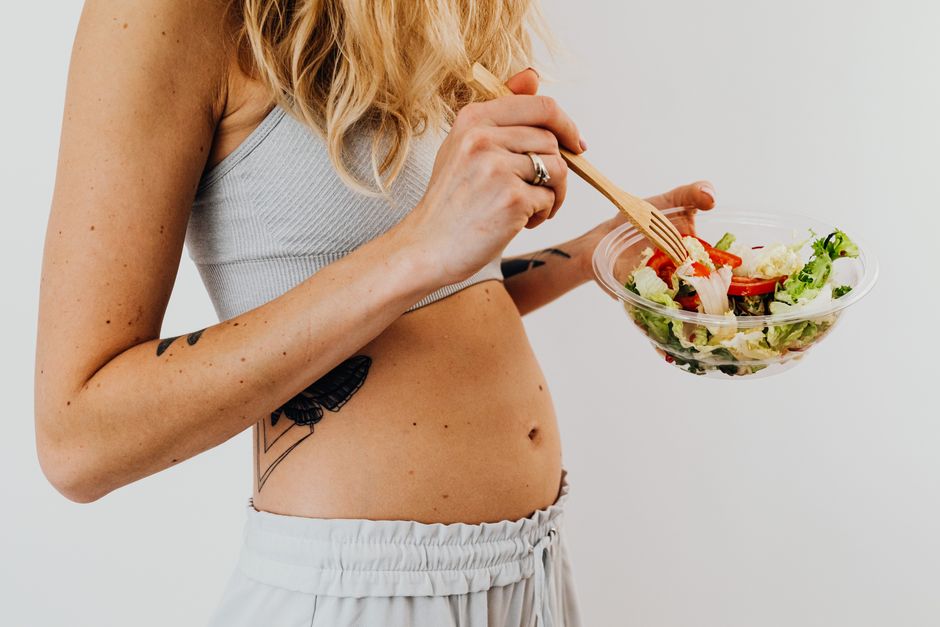
If you have high blood pressure, the best salad dressing is one you make yourself with olive oil, vinegar, and fresh herbs. Store-bought dressings are often loaded with sodium, added sugar, and preservatives that can work against your blood pressure goals. A simple homemade vinaigrette gives you control over every ingredient, especially the salt, and uses heart-healthy fats that research consistently links to better blood pressure numbers.
Why Store-Bought Dressings Are a Problem for Blood Pressure
Most bottled salad dressings are not healthy. They are designed for shelf stability and flavor, not for your heart.
The main issue is sodium. A single two-tablespoon serving of many commercial dressings contains 250 to 400 milligrams of sodium. That may not sound like much, but it adds up quickly. The American Heart Association recommends limiting sodium to 2,300 milligrams per day, with an ideal limit of 1,500 milligrams for most adults with high blood pressure. One heavy pour of dressing can use up more than a quarter of your daily allowance.
Sugar is the second problem. Many creamy and sweet dressings pack 4 to 7 grams of added sugar per serving. Some raspberry vinaigrettes and honey mustard dressings contain even more. Excess sugar contributes to weight gain and insulin resistance, both of which make blood pressure harder to control.
Preservatives and additives also matter. Ingredients like disodium phosphate and potassium sorbate are common in commercial dressings. They are safe to eat, but they do nothing for your health. The real concern is that their presence signals a highly processed product.
The Best Base: Extra Virgin Olive Oil
Extra virgin olive oil is the foundation of a blood pressure-friendly dressing. The evidence here is strong.
Research consistently shows that a Mediterranean-style diet rich in olive oil is associated with lower blood pressure. The mechanism is well understood. Olive oil contains monounsaturated fats and polyphenols, plant compounds that reduce inflammation and improve the function of the endothelium, the thin layer of cells lining your blood vessels. Healthier endothelial function means blood vessels can relax and dilate more easily, which lowers pressure.
One large study known as the PREDIMED trial found that people eating a Mediterranean diet supplemented with extra virgin olive oil had lower rates of cardiovascular events. The effect on blood pressure specifically was modest but real. You should not expect olive oil alone to fix high blood pressure, but it is a genuinely helpful component of an overall healthy diet.
Choose extra virgin over regular olive oil when you can. Extra virgin comes from the first cold pressing of the olives and retains the highest levels of polyphenols. Regular olive oil has been more processed and loses some of these beneficial compounds.
What to Add: Vinegars and Citrus
Vinegar adds flavor without sodium or sugar. This makes it an obvious choice for blood pressure-friendly dressings.
Balsamic vinegar, red wine vinegar, apple cider vinegar, and white wine vinegar all work well. Some research suggests that acetic acid, the main component of vinegar, may help modestly reduce blood pressure in animal studies and small human trials. The evidence is not strong enough to claim vinegar is a blood pressure treatment, but using it in place of salty or sugary dressings is clearly beneficial.
Lemon juice and lime juice serve the same purpose. They provide acidity and brightness without adding sodium. Citrus juices also contain vitamin C and flavonoids, which support blood vessel health.
One practical tip: taste your dressing before adding any salt. The acid from vinegar or citrus naturally enhances flavor perception. Many people find they need less salt than they expect once the dressing has proper acidity.





What to Avoid: Creamy Dressings and Hidden Sodium
Creamy dressings are the biggest offenders. Ranch, blue cheese, Caesar, and thousand island dressings are typically made with buttermilk, mayonnaise, or sour cream. These ingredients add saturated fat and calories. More importantly, the flavorings and preservatives used in commercial versions are heavy on sodium.
Ranch dressing is a common example. A two-tablespoon serving of many commercial ranch dressings contains around 260 to 300 milligrams of sodium. Caesar dressing is often worse, with some brands exceeding 350 milligrams per serving. If you are limiting sodium to 1,500 milligrams per day, one serving of Caesar dressing is nearly a quarter of your daily limit.
Even dressings that seem healthy can be problematic. Light or fat-free dressings often compensate for reduced fat with increased sugar and sodium. A fat-free Italian dressing can contain more sodium than the full-fat version. Always read the nutrition label, not the front of the bottle.
Soy sauce, Worcestershire sauce, and fish sauce are common hidden sodium sources in dressings. A single teaspoon of soy sauce contains about 290 milligrams of sodium. If a dressing recipe calls for these ingredients, use them sparingly or replace them with lower-sodium alternatives.
How to Build a Blood Pressure-Friendly Dressing at Home
Making your own dressing takes about two minutes. You do not need special equipment. A small jar with a tight-fitting lid works perfectly.
The basic ratio is three parts oil to one part acid. For a single serving, use one and a half tablespoons of extra virgin olive oil and half a tablespoon of vinegar or lemon juice. Add herbs and spices for flavor. Garlic powder, onion powder, dried oregano, black pepper, and Dijon mustard are all excellent choices that add flavor without sodium.
Here is a simple base recipe you can customize:
- 3 tablespoons extra virgin olive oil
- 1 tablespoon red wine vinegar or lemon juice
- 1 teaspoon Dijon mustard
- 1 clove minced garlic or 1/4 teaspoon garlic powder
- 1/2 teaspoon dried oregano
- Black pepper to taste
Shake everything in a jar and pour over your salad. This recipe contains roughly 30 milligrams of sodium per serving, mostly from the mustard. Compare that to 300 milligrams or more in a commercial dressing.
The mustard is worth including. It acts as an emulsifier, helping the oil and vinegar stay mixed. It also adds flavor complexity that reduces the need for salt.
What About Store-Bought Options That Are Actually Okay?
Not every bottled dressing is bad. Some brands make genuinely lower-sodium products, but you have to read labels carefully.
Look for dressings with 140 milligrams of sodium or less per serving. This is the FDA threshold for a food to be labeled as low sodium. Also check the sugar content. Aim for 2 grams or less of added sugar per serving.
Vinaigrette-style dressings are more likely to meet these criteria than creamy ones. Many brands offer balsamic vinaigrettes and Italian dressings with reasonable sodium levels. However, even these can vary widely between brands. The same brand’s balsamic vinaigrette might have 120 milligrams of sodium while their raspberry vinaigrette has 280 milligrams.
The ingredient list matters as much as the nutrition facts. Shorter ingredient lists generally mean less processing. If you see ingredients you cannot pronounce or do not recognize, put the bottle back on the shelf.
How Dressing Fits Into a Full Blood Pressure Diet
Salad dressing is a small part of your diet, but it reflects a larger pattern. The DASH diet, which stands for Dietary Approaches to Stop Hypertension, is the most well-established eating pattern for lowering blood pressure. It emphasizes vegetables, fruits, whole grains, lean protein, and low-fat dairy while limiting sodium, saturated fat, and added sugar.
A salad with a homemade olive oil vinaigrette fits perfectly into this pattern. The salad itself provides potassium and nitrates from leafy greens, both of which support healthy blood pressure. The olive oil provides anti-inflammatory fats. The vinegar adds flavor without sodium.
The reverse is also true. A salad loaded with vegetables but drowned in a high-sodium commercial dressing undermines the meal. You can eat a perfect DASH diet meal and still exceed your sodium limit with a single poorly chosen condiment.
Think of salad dressing as a nutrient delivery system. The fat in olive oil helps your body absorb fat-soluble vitamins like A, D, E, and K from the vegetables. Using a high-quality oil is not just about avoiding harm. It actively improves the nutritional value of your meal.
Can Certain Ingredients Lower Blood Pressure Directly?
Some dressing ingredients have been studied for direct blood pressure effects. The evidence ranges from solid to speculative.
Garlic is the most studied. Research has shown that garlic supplements can modestly reduce blood pressure in people with hypertension. The effect is small, typically a few points of systolic pressure, but it is real. Using fresh garlic in your dressing is a reasonable way to include it in your diet, though the amounts you get in a dressing are much smaller than what is used in supplement studies.
Apple cider vinegar is frequently promoted for blood pressure control on social media. The evidence does not support this claim. Some small studies in animals have shown blood pressure reductions, but human research is limited and inconsistent. You can use apple cider vinegar in your dressing for flavor, but do not expect it to lower your blood pressure.
Herbs like oregano, basil, and rosemary have antioxidant properties. Some laboratory studies suggest they may have mild blood pressure-lowering effects, but this has not been confirmed in human trials. Their real benefit in a dressing is flavor without sodium.
Be skeptical of any dressing product that claims to actively lower blood pressure. No food can do this reliably on its own. Blood pressure management comes from an overall pattern of healthy eating, physical activity, stress management, and, when prescribed, medication.
Frequently Asked Questions
Is olive oil good for high blood pressure?
Yes. Extra virgin olive oil contains monounsaturated fats and polyphenols that support blood vessel function and reduce inflammation. Research consistently links olive oil consumption to better blood pressure outcomes as part of an overall healthy diet.
How much sodium is in a typical salad dressing?
Most commercial dressings contain 250 to 400 milligrams of sodium per two-tablespoon serving. Homemade vinaigrettes using olive oil, vinegar, and herbs typically contain under 50 milligrams per serving.
Can apple cider vinegar lower blood pressure?
The evidence is limited. Some animal studies show blood pressure reductions, but human research is inconsistent and does not confirm a meaningful effect. You can use it in dressings for flavor, but it is not a blood pressure treatment.
What is the healthiest salad dressing for heart health?
A homemade vinaigrette made with extra virgin olive oil, vinegar or lemon juice, garlic, and herbs is the healthiest option. It provides anti-inflammatory fats and flavor without the sodium and added sugar found in most commercial dressings.
