
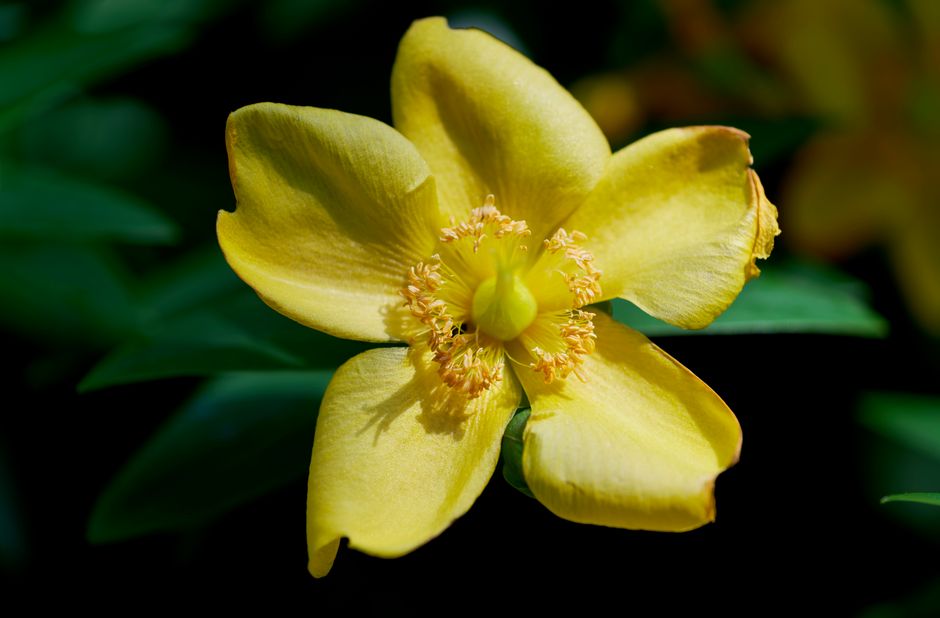
St. John’s wort is one of the most studied herbal supplements in the world, and blood pressure is one of the most common reasons people search for information about it. The short answer: the evidence does not show that St. John’s wort raises blood pressure in most people. But the picture is more complicated than a simple yes or no, and there are real reasons this question keeps coming up.
Does St Johns Wort Raise Blood Pressure?
No. Current evidence does not support the idea that St. John’s wort raises blood pressure in healthy adults taking it at typical doses. That said, the research here is not as thorough as it could be.
The concern about blood pressure and St. John’s wort comes mainly from two places. First, St. John’s wort affects how the body handles certain neurotransmitters, including norepinephrine. Norepinephrine tightens blood vessels and can raise blood pressure, so there is a theoretical reason to wonder whether the herb might do the same. Second, some case reports over the years have described blood pressure changes in people taking St. John’s wort alongside other medications.
Theoretical mechanisms and case reports are not the same as controlled trial evidence. When researchers have measured blood pressure directly in people taking St. John’s wort, they generally have not found meaningful increases. Some studies have actually noted small decreases, though those findings are not consistent enough to call St. John’s wort a blood pressure treatment.
What Does the Research Actually Show About Blood Pressure?
Clinical trials of St. John’s wort for depression have been conducted for decades, and blood pressure is typically among the safety measures tracked. Across those trials, elevated blood pressure has not emerged as a consistent side effect.
Some smaller studies and case reports have described individual patients whose blood pressure rose while taking St. John’s wort. These reports exist, and they are worth acknowledging. But individual case reports cannot establish cause and effect. Many factors can raise blood pressure in any given person on any given day, including stress, diet, sleep, other medications, and underlying health conditions.
The evidence is mixed in a specific way: large controlled trials generally show no blood pressure signal, while isolated case reports describe changes in individual patients. That pattern suggests that if St. John’s wort does affect blood pressure in some people, it is not a common or predictable effect.
One non-obvious point: St. John’s wort is a potent inducer of certain liver enzymes, particularly the CYP3A4 pathway. This means it speeds up the breakdown of many medications. That interaction matters far more for blood pressure than the herb itself does, because it can reduce the effectiveness of blood pressure medications a person is already taking.
Can St Johns Wort Interact With Blood Pressure Medications?
Yes, and this is the more clinically significant concern. St. John’s wort can reduce blood levels of many drugs by accelerating their breakdown in the liver and intestines.
Blood pressure medications that may be affected include:
- Calcium channel blockers such as nifedipine and verapamil
- Beta-blockers metabolized by CYP3A4
- Some statins, which are often prescribed alongside blood pressure medications
- Certain antiarrhythmic drugs
When St. John’s wort speeds up the breakdown of a blood pressure medication, the drug may not work as well. A person’s blood pressure could rise not because of the herb directly, but because their medication is being cleared from the body faster than it should be.
This is why anyone taking prescription medication for blood pressure, heart rhythm, or cholesterol should talk to their doctor or pharmacist before starting St. John’s wort. This is not a theoretical concern. Drug interactions with St. John’s wort are well documented and can be serious.




What Are the Known Side Effects of St Johns Wort?
St. John’s wort is generally tolerated at typical doses, but it is not without side effects. The most commonly reported ones include:
- Gastrointestinal upset such as nausea or stomach discomfort
- Dry mouth
- Dizziness
- Increased sensitivity to sunlight, which can lead to skin reactions
- Fatigue or restlessness
Photosensitivity is worth highlighting. St. John’s wort can make skin more reactive to ultraviolet light. People with fair skin or those who spend significant time outdoors should be aware of this. Severe skin reactions are uncommon but have been reported.
There is also a specific concern about serotonin syndrome. St. John’s wort affects serotonin in the brain. When combined with prescription antidepressants such as SSRIs, SNRIs, or MAOIs, it can push serotonin levels too high. This is a medical emergency. Symptoms include agitation, rapid heart rate, high fever, muscle rigidity, and confusion. Anyone experiencing these symptoms should seek emergency care immediately.
Who Should Avoid St Johns Wort?
Several groups should be cautious or avoid St. John’s wort entirely.
People taking prescription medications should check with their doctor or pharmacist first. The list of drugs that interact with St. John’s wort is long and includes antidepressants, blood thinners, immunosuppressants, certain HIV medications, oral contraceptives, and some cancer treatments.
People with bipolar disorder should be especially careful. St. John’s wort has been associated with triggering manic episodes in some individuals with bipolar disorder. This is a significant risk.
Pregnant and breastfeeding women should avoid St. John’s wort. No clinical guidelines establish a safe dose for these populations, and the herb’s effects on fetal development and breastfed infants are not well understood. The conservative position is to avoid it.
People scheduled for surgery should stop taking St. John’s wort beforehand. It can interact with anesthesia and other medications used during and after surgery. The typical recommendation is to stop at least two weeks before a planned procedure, but patients should confirm timing with their surgeon or anesthesiologist.
People with diagnosed heart conditions should not use St. John’s wort without medical supervision, given the potential for interactions with cardiac medications.
Does St Johns Wort Lower Blood Pressure?
Some research has noted small reductions in blood pressure among people taking St. John’s wort, but the evidence is not strong enough to recommend it for that purpose. Results across studies are inconsistent, and the effect, when observed, tends to be modest.
This is an important distinction. Just because a study shows a small average decrease in a group does not mean the herb will lower any individual person’s blood pressure in a meaningful way. It also does not mean it is safe to use instead of prescribed blood pressure medication.
No major medical organization recommends St. John’s wort for blood pressure management. It is not a recognized antihypertensive treatment.
What Is St Johns Wort Actually Used For?
St. John’s wort is most commonly studied for mild to moderate depression. Research from institutions in Europe and the United States has examined its effects on depressive symptoms, and some studies have found it comparable to standard antidepressants for mild to moderate cases.
However, the evidence is not uniform. Some trials show benefit, while others show little difference from placebo. Study quality varies, and many trials have been relatively short in duration. For severe depression, St. John’s wort has not been shown to be adequate, and prescription treatment is the appropriate approach.
St. John’s wort is also sometimes marketed for anxiety, sleep problems, and nerve pain. The evidence for these uses is weaker than for depression. Some studies suggest possible benefits for certain types of nerve pain, but the research is limited.
What St. John’s wort is not: it is not a proven treatment for high blood pressure, and no clinical guidelines support using it for that purpose.
What Should You Do If You Take St Johns Wort and Have High Blood Pressure?
Do not stop any prescribed blood pressure medication on your own. If you are taking St. John’s wort and have concerns about your blood pressure, the practical steps are straightforward.
Monitor your blood pressure at home if you have a monitor. Keep a record. Bring that record to your next medical appointment. Your doctor can assess whether your readings have changed and whether any adjustment to your medications is needed.
Tell your doctor and pharmacist about all supplements you take, including St. John’s wort. This is not a minor detail. St. John’s wort is one of the most interaction-prone supplements available without a prescription.
If you are taking St. John’s wort for depression and also have high blood pressure, that combination deserves a conversation with your doctor. There may be better options for managing both conditions together.
Frequently Asked Questions
Does St Johns Wort raise blood pressure?
Current evidence does not show that St. John’s wort raises blood pressure in most people. Some individual case reports have described blood pressure increases, but controlled trials have not found a consistent effect.
Can I take St Johns Wort with blood pressure medication?
St. John’s wort can interact with many blood pressure medications by speeding up how quickly the body breaks them down, which may make them less effective. Always check with your doctor or pharmacist before combining them.
Is St Johns Wort safe for everyone?
No. People taking prescription medications, those with bipolar disorder, pregnant or breastfeeding women, and anyone scheduled for surgery should avoid St. John’s wort or use it only under medical supervision.
Does St Johns Wort lower blood pressure?
Some studies have noted small reductions in blood pressure, but the evidence is inconsistent and not strong enough to recommend it for that purpose. No major medical organization endorses St. John’s wort for blood pressure management.
