
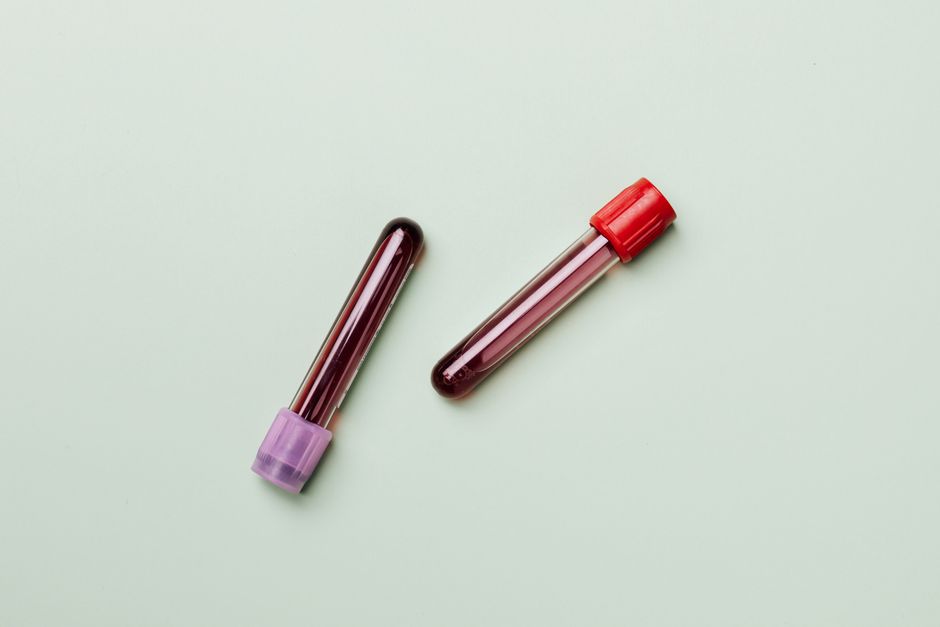
Yes, alcohol can be detected in a blood test, but not in the way most people imagine. There is no single test that simply says “alcohol present” for all time. Instead, doctors use several different blood tests, and each one answers a different question. Some measure alcohol itself, but only for a few hours after drinking. Others measure markers that change with heavy drinking over weeks or months.
Understanding which test does what matters. It explains why a person can drink heavily for years and still have a normal result on one test, while a single heavy night shows up clearly on another. It also explains why hospitals, employers, and courts use different tests for different purposes.
Can You See Alcohol In Blood Tests?
Yes, but the test has to match the question. If you want to know whether someone drank in the last several hours, a direct blood alcohol test works. If you want to know whether someone has been drinking heavily for weeks, you need a different test entirely.
The most common direct test measures ethanol itself, the type of alcohol people drink. Ethanol leaves the blood quickly. The liver breaks it down at a fairly steady rate, and in most healthy adults the body clears roughly one standard drink per hour. That means a blood sample drawn many hours after the last drink will usually show nothing, even if the person drank heavily the night before.
This is the single most misunderstood point about alcohol blood testing. A negative ethanol result does not mean a person does not drink. It often just means enough time has passed.
How Long Does Alcohol Stay Detectable In Blood?
Ethanol is typically detectable in blood for only a few hours after drinking. The exact window depends on how much was consumed, how fast, body size, food in the stomach, and how quickly that person’s liver processes alcohol.
As a general pattern, blood alcohol concentration rises while drinking and for a short time after, then falls as the liver clears it. Once the level drops to zero, a standard ethanol test reads negative. For most people this happens within hours, not days.
This short window is why timing matters so much. A test given at 8 a.m. may miss drinking that happened at midnight entirely, even if the person was well over the legal driving limit at the time.
Blood is not the only sample used. Breath tests estimate blood alcohol through exhaled air. Urine can detect alcohol a bit longer than blood in some cases. But for the most precise measurement of current alcohol level, blood is the standard.
What Blood Tests Show Long-Term Heavy Drinking?
When doctors suspect ongoing heavy alcohol use, they often turn to indirect markers. These are substances the body produces or changes in response to repeated drinking. They stay abnormal far longer than ethanol itself.
Common markers include:
- Liver enzymes such as AST and ALT, which can rise when the liver is stressed or damaged.
- GGT (gamma-glutamyl transferase), an enzyme that tends to rise with regular heavy drinking.
- MCV (mean corpuscular volume), a measure of average red blood cell size, which can increase with long-term alcohol use.
- Carbohydrate-deficient transferrin (CDT), a marker that some clinicians use to help detect sustained heavy drinking.
None of these markers is perfect. Each can be abnormal for reasons unrelated to alcohol. Liver enzymes can rise from fatty liver disease, medications, or other conditions. MCV can increase from vitamin deficiencies or other blood disorders. This is why no single marker is used alone to make a diagnosis.
One clarification worth knowing: these indirect markers reflect patterns of drinking over time. They do not measure how much a person drank on any specific day, and they cannot pinpoint a date or an event.



Why Blood Alcohol Tests Are Used In Different Settings
Different settings call for different tests because each one answers a specific question.
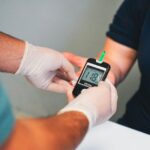
In an emergency room, a doctor may order a blood ethanol level to assess someone who is confused, injured, or unconscious. Here the goal is to know the current level, because that affects immediate medical decisions.
In legal or workplace settings, a blood ethanol test may be used to confirm a current level, often alongside a breath test. Timing and proper sample handling matter greatly, because results can carry serious consequences.
In a primary care or treatment setting, a doctor is usually less interested in a single night and more interested in a pattern. That is when indirect markers become useful. They can support a broader clinical picture that includes the person’s history, physical exam, and other findings.
No blood test, on its own, tells the whole story. Doctors interpret results alongside what they see and what the patient reports.
What Can Cause A False Result?
False results happen, and they cut both ways. A test can miss real drinking, or it can suggest drinking that did not occur.
False negatives are common with ethanol testing simply because of timing. If too many hours have passed, the alcohol is gone and the test reads normal. Dilution from large amounts of water before a test can also affect some measurements, though this is more relevant to urine testing.
False positives are more of a concern with indirect markers. A raised GGT or AST level does not prove alcohol use. Many conditions and medications can push these values up. Even strenuous exercise can affect some liver-related values in certain people.
This is why a single abnormal marker is rarely treated as proof. Clinicians look for patterns, repeat tests when appropriate, and consider the full context before drawing conclusions.
Does A Normal Blood Test Mean Someone Does Not Drink?
No. A normal result does not rule out drinking, and this is one of the most important things to understand.
If the test was for ethanol, a normal result may simply mean the person had not drunk recently. If the test was for indirect markers, a normal result may mean the person’s drinking has not yet produced measurable changes, or that their body responds differently than expected.
People vary widely. Some heavy drinkers show clear marker changes. Others, for reasons that are not fully understood, show few changes for a long time. Genetics, body weight, overall health, and drinking patterns all play a role.
The reverse is also true. An abnormal marker does not automatically mean problem drinking. It is a signal to look further, not a verdict.
What Blood Tests Cannot Tell You
Blood tests cannot measure how much a person has drunk over their lifetime. They cannot prove dependence or addiction. They cannot show whether someone is a “light” or “heavy” drinker in any absolute sense.
They also cannot replace an honest conversation. The most useful information in assessing alcohol use often comes from what a person reports about their own drinking, combined with physical findings and lab results.
Blood testing is one tool among several. It is valuable when used correctly and interpreted with care. It is misleading when treated as a simple yes-or-no answer to a complicated question.
Frequently Asked Questions
How long can alcohol be detected in a blood test?
Ethanol itself is usually detectable in blood for only a few hours after drinking, depending on how much was consumed and how fast the body clears it. Indirect markers of heavy drinking can stay abnormal for weeks or longer.
Can a blood test tell if you drank last night?
It depends on how many hours have passed. If enough time has gone by for the liver to clear the alcohol, a standard ethanol test will read negative even after heavy drinking the night before.
What blood test shows long-term alcohol use?
Tests for liver enzymes like AST, ALT, and GGT, along with MCV and sometimes carbohydrate-deficient transferrin, can reflect sustained heavy drinking. None of these is specific to alcohol, so results are interpreted alongside other information.
Can a normal blood test mean someone does not drink?
No. A normal result does not rule out drinking, because ethanol clears quickly and indirect markers do not rise in everyone who drinks heavily. Test results are only one part of the full picture.
