
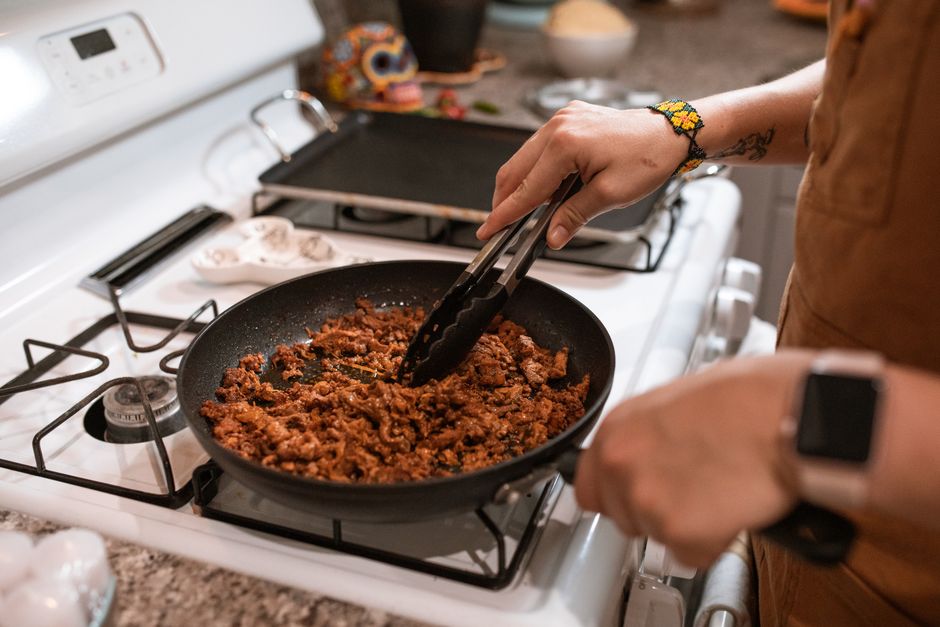
Whether a carne asada burrito is healthy depends almost entirely on where it comes from and how it is built. A typical restaurant carne asada burrito often lands between 800 and 1,200 calories, with large amounts of saturated fat and sodium. A homemade version with lean steak, beans, vegetables, and a moderate portion of rice can fit into a balanced diet. The ingredients themselves are not the problem — the portion size, added fats, and tortilla are what tip the scale.
Is a Carne Asada Burrito Healthy? Nutrition Facts You Should Know
There is no single nutrition label for a carne asada burrito. The numbers swing widely based on size, fillings, and preparation. A burrito from a taqueria is not the same food as one you assemble at home.
Here is a rough comparison of what different versions can contain. These are general ranges drawn from common restaurant and homemade preparations, not exact figures for any specific brand.
| Component | Small Homemade | Typical Restaurant | Large “Mission-Style” |
|---|---|---|---|
| Calories | 400–550 | 800–1,000 | 1,000–1,300+ |
| Protein | 25–35 g | 35–50 g | 45–60 g |
| Saturated fat | 5–8 g | 12–20 g | 20–30+ g |
| Sodium | 600–900 mg | 1,500–2,500 mg | 2,500–3,500+ mg |
| Fiber | 8–12 g | 6–10 g | 6–10 g |
For context, the Dietary Guidelines for Americans suggest most adults aim for roughly 1,600 to 2,400 calories per day depending on age, sex, and activity level. A single large burrito can account for more than half of that. Sodium recommendations sit at 2,300 mg per day for most adults, and one large burrito can exceed that on its own.
The protein content is a genuine strength. Carne asada is grilled steak, which supplies complete protein, iron, and zinc. Beans add fiber and plant protein. The weaknesses are the oversized flour tortilla, added cheese, sour cream, and the sheer volume of a single meal.
What Makes a Carne Asada Burrito Unhealthy?
The main issues are portion size, saturated fat, sodium, and refined carbohydrates. None of these make the burrito inherently bad, but together they can push a single meal past several daily targets.
A large flour tortilla alone can contain 300 to 400 calories and 3 to 5 grams of saturated fat. Add a cup of white rice, a generous scoop of carne asada, cheese, sour cream, and guacamole, and the total climbs quickly.
- Saturated fat: Cheese, sour cream, and fatty cuts of beef contribute most of it. The American Heart Association recommends limiting saturated fat to about 5 to 6 percent of daily calories for adults who want to lower heart disease risk.
- Sodium: Seasoned meat, cheese, tortillas, and salsa all add salt. One burrito can supply a full day’s worth or more.
- Refined carbohydrates: A white flour tortilla and white rice digest quickly and offer limited fiber compared to whole-grain options.
- Calorie density: A single burrito can deliver a large share of daily calories in one sitting, which can make weight management harder if eaten often.
None of these points mean you should never eat one. They mean the frequency and the build matter. An occasional large burrito is not a health crisis. Eating one daily as a routine meal is a different story.
What Are the Healthier Parts of a Carne Asada Burrito?
Several components of a carne asada burrito are genuinely nutritious. The steak provides high-quality protein, heme iron, zinc, and B vitamins. Black or pinto beans supply fiber, folate, and plant protein. Fresh salsa and vegetables add vitamins and antioxidants.
Grilled carne asada itself is a leaner choice than many other taco meats. It is not breaded or deep-fried. When trimmed of excess fat, it is comparable to other lean beef cuts. The problem usually comes from what gets added around it, not the steak.
Beans deserve specific mention. Research published in the journal Nutrients and other nutrition journals has linked regular legume intake to better blood sugar control and lower cholesterol in some populations, though results vary by study and population. Beans are one of the more nutrient-dense parts of the burrito.




How Can You Make a Carne Asada Burrito Healthier?
You can keep the flavor and cut the load by adjusting a few specific parts. These are practical changes, not a promise of a “healthy” label.
- Choose a smaller tortilla or use a whole-wheat or low-carb version.
- Ask for half the rice, or swap white rice for brown rice.
- Request extra beans and vegetables instead of extra cheese.
- Choose salsa or pico de gallo over sour cream and heavy cheese.
- Use a lean cut of steak and trim visible fat before grilling.
- Split a large restaurant burrito into two meals instead of eating it at once.
At home you have the most control. Measure the rice, weigh the steak, and go light on the cheese. A homemade burrito with 4 ounces of lean carne asada, half a cup of black beans, a small whole-wheat tortilla, and plenty of salsa lands in a very different place than a restaurant version.
Guacamole is often blamed unfairly. Avocado provides monounsaturated fat and fiber. The issue is portion — a few tablespoons add nutrition, while a large scoop adds calories quickly.
How Does a Carne Asada Burrito Compare to Other Fast Food?
Against a double cheeseburger, large fries, and a soda, a carne asada burrito often holds up reasonably well. It usually has more protein, more fiber, and fewer added sugars. Against a grilled chicken salad with light dressing, it usually loses on calories, sodium, and saturated fat.
The comparison that matters most is the one to your own daily needs. If you are active, eat mostly whole foods the rest of the day, and have a burrito occasionally, the impact is small. If you are managing high blood pressure, high cholesterol, or type 2 diabetes, the sodium and saturated fat load deserves more attention.
One detail worth noting: the tortilla is frequently the single largest source of calories and refined carbs in the whole burrito. People focus on the meat, but the wrapper can quietly outweigh it.
Who Should Be Careful With Carne Asada Burritos?
People with certain health conditions may want to limit how often they eat large restaurant burritos. This is about frequency and portion, not a ban.
- High blood pressure: The sodium content can work against blood pressure control.
- High cholesterol or heart disease: Saturated fat from cheese, sour cream, and fatty beef is the main concern.
- Type 2 diabetes: A large white-flour tortilla plus white rice can raise blood sugar sharply.
- Weight management goals: The calorie density of a large burrito can make a deficit harder to maintain.
For most healthy adults, an occasional carne asada burrito is fine within an otherwise balanced diet. The evidence does not support treating any single meal as the deciding factor in long-term health. Patterns matter more than individual meals.
Frequently Asked Questions
Is a carne asada burrito healthy?
It depends on the build and portion. A homemade version with lean steak, beans, vegetables, and a small tortilla can be part of a balanced diet, while a large restaurant burrito often delivers more calories, saturated fat, and sodium than a single meal should.
How many calories are in a carne asada burrito?
Most restaurant versions fall between 800 and 1,200 calories, and large “mission-style” burritos can exceed 1,300. A smaller homemade burrito typically lands between 400 and 550 calories.
Is carne asada a healthy meat?
Grilled lean carne asada is a good source of complete protein, iron, and zinc. It is comparable to other lean beef cuts when trimmed of excess fat and not overloaded with cheese or creamy sauces.
What is the healthiest way to order a carne asada burrito?
Ask for a smaller or whole-wheat tortilla, half the rice, extra beans and vegetables, and salsa instead of sour cream. Splitting a large burrito into two meals also cuts the per-meal calorie and sodium load.
