
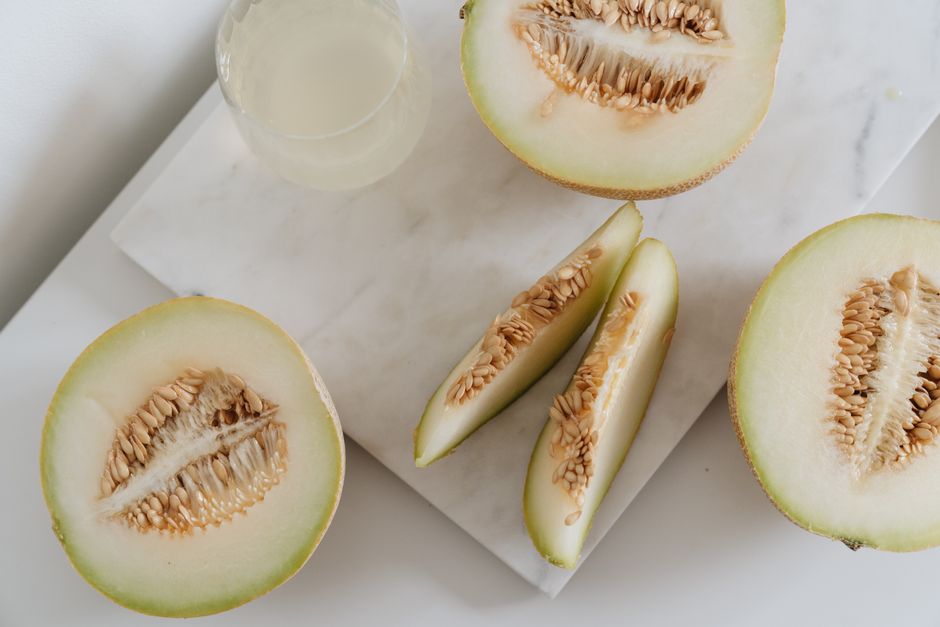
A single cup of diced cantaloupe (about 177 grams) provides roughly 60 calories, 14 grams of carbohydrates, and over 100% of your daily vitamin A needs. It is also an excellent source of vitamin C, delivering about 65% of the daily value. This serving size is a nutrient-dense, low-calorie option that fits easily into most eating patterns.
What Is the Exact Nutritional Breakdown for One Cup of Cantaloupe?
One cup of diced cantaloupe contains 60 calories, 0.3 grams of fat, and 1.5 grams of protein. The carbohydrate content is 14 grams, which includes 1.5 grams of fiber and about 13 grams of natural sugar. Unlike processed sweets, this sugar comes packaged with water, fiber, and vitamins.
The same serving provides 120 milligrams of potassium, which supports blood pressure regulation. It also offers 34 micrograms of folate, important for cell growth. According to the USDA, this serving size has a glycemic load of roughly 4, meaning it has a minimal impact on blood sugar for most people.
How Does Cantaloupe 1 Cup Nutrition Compare to Other Fruits?
Compared to other common fruits, cantaloupe is lower in calories and sugar per cup. A cup of diced mango has about 100 calories and 23 grams of sugar. A cup of grapes has roughly 100 calories and 24 grams of sugar. Cantaloupe provides similar vitamin C levels to oranges but with far fewer calories.
It also stands out for vitamin A. One cup of cantaloupe contains 5,990 international units of vitamin A, mostly from beta-carotene. For comparison, a cup of strawberries has only 20 IU. The watermelon family, which includes cantaloupe, generally provides more vitamin A than berries or apples.
Here is a quick comparison of one-cup servings:
| Fruit | Calories | Sugar (g) | Vitamin A (%DV) | Vitamin C (%DV) |
|---|---|---|---|---|
| Cantaloupe | 60 | 13 | 120% | 65% |
| Mango | 100 | 23 | 10% | 60% |
| Grapes | 100 | 24 | 1% | 5% |
| Strawberries | 50 | 7 | 0% | 97% |
What Are the Health Benefits of Eating One Cup of Cantaloupe?
Research published in the Journal of Nutrition shows that beta-carotene from foods like cantaloupe is converted to vitamin A efficiently. Vitamin A is essential for immune function, vision, and skin health. One cup provides more than the recommended daily intake for most adults.
The high water content is another benefit. Cantaloupe is about 90% water, which contributes to hydration. A study from the American Journal of Clinical Nutrition found that foods with high water content help people feel fuller with fewer calories. This makes cantaloupe a practical choice for weight management.
Potassium and magnesium in cantaloupe support muscle function and blood pressure. The vitamin C content aids collagen production and iron absorption. Some studies suggest that the antioxidants in cantaloupe, including beta-cryptoxanthin, may reduce inflammation over time.





Does Cantaloupe 1 Cup Nutrition Fit Into a Low-Carb or Diabetic Diet?
For people managing diabetes or following a low-carb diet, one cup of cantaloupe requires some thought. The 13 grams of sugar are natural, but they can raise blood sugar. The American Diabetes Association includes cantaloupe in its list of recommended fruits but suggests pairing it with protein or fat to slow digestion.
A practical approach is to eat half a cup instead of a full cup. This reduces the sugar to about 6.5 grams while still providing significant vitamins. Some people report that eating cantaloupe with a few almonds or a tablespoon of yogurt helps prevent blood sugar spikes. This is widely claimed though strong evidence is limited to small observational studies.
For strict keto diets, cantaloupe is not ideal. One cup contains about 12 grams of net carbs, which is a large portion of the daily carb limit. Lower-carb fruit options include berries, which have about half the net carbs per cup.
What Are Common Misconceptions About Cantaloupe Nutrition?
A common myth is that cantaloupe is “just sugar water.” This ignores the dense vitamin and mineral content. While it is true that cantaloupe has natural sugar, it also delivers fiber, potassium, and antioxidants that soda or juice does not. The sugar in whole fruit is processed differently by the body than added sugar.
Another misconception is that cantaloupe skin must be washed thoroughly to avoid bacteria. This is actually correct advice. The CDC reports that cantaloupe has been linked to salmonella outbreaks because its rough rind can trap bacteria. Washing the outside with a scrub brush before cutting is essential. Cut cantaloupe should be refrigerated and eaten within three days.
Some people believe that orange-fleshed cantaloupe is artificially colored. It is not. The orange color comes from beta-carotene, the same pigment found in carrots. The deeper the orange color, the more beta-carotene the fruit contains.
How Should You Store Cantaloupe to Preserve Its Nutrition?
Whole cantaloupe can sit at room temperature for a few days to ripen. Once cut, it should go into the refrigerator. Research from the USDA indicates that cut cantaloupe loses vitamin C over time. After three days, vitamin C levels can drop by up to 25%. For maximum nutrition, eat cut cantaloupe within 24 to 48 hours.
Freezing cantaloupe is possible but changes its texture. Frozen cantaloupe works well in smoothies but becomes mushy when thawed. The vitamin A and potassium remain stable during freezing. To freeze, dice the fruit, spread it on a baking sheet, then transfer to a sealed bag.
Do not store cantaloupe near ethylene-sensitive foods like lettuce or broccoli. Cantaloupe produces ethylene gas as it ripens, which can speed up spoilage in nearby produce. Store it away from leafy greens and berries.
Frequently Asked Questions
Is one cup of cantaloupe too much sugar for a diabetic?
One cup contains about 13 grams of natural sugar, which is moderate. Many people with diabetes can include half a cup without issue, but individual responses vary.
Can you eat cantaloupe seeds?
Yes, cantaloupe seeds are edible and contain fiber and protein. They are often discarded because of their texture, not because they are harmful.
Does cantaloupe help with weight loss?
Its high water and fiber content can promote fullness for few calories. Some studies suggest this aids weight management, but it is not a standalone solution.
What is the best time of day to eat cantaloupe?
There is no strong evidence that timing matters. Eating it as part of a balanced meal or snack is more important than the specific hour.
