
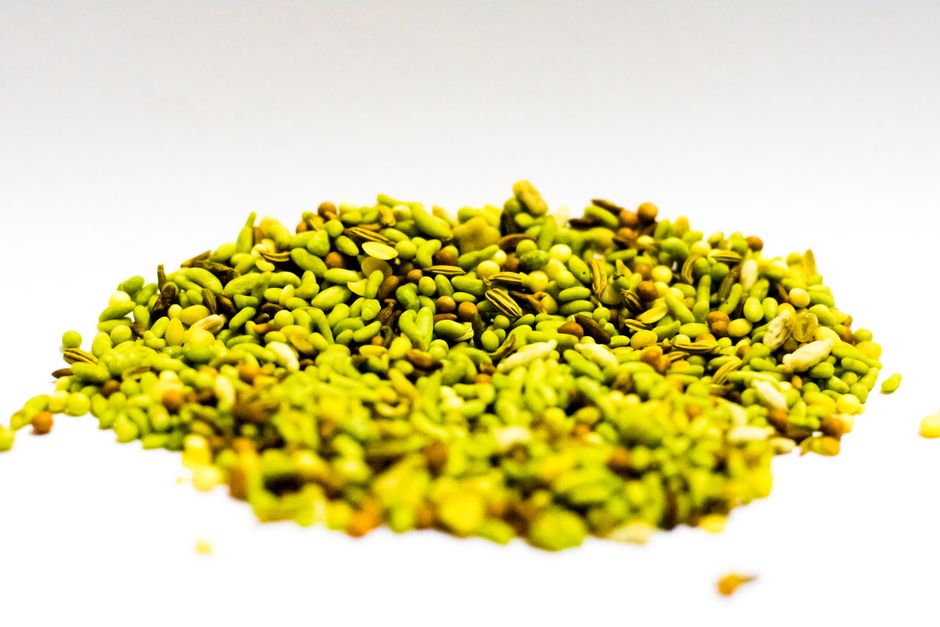
Fennel seeds are the small, oval seeds from the fennel plant, and they offer a unique mix of flavor, fiber, and compounds that may aid digestion and reduce inflammation. People have used them for centuries both as a spice and as a traditional remedy for bloating and gas. Nutritionally, they are low in calories but provide small amounts of calcium, magnesium, and iron. Their primary active compounds, like anethole, are what give them their licorice-like taste and most of their reported health effects.
What Are the Proven Health Benefits of Fennel Seeds?
Digestion is the area with the strongest evidence. Research published in the Journal of Ethnopharmacology has found that fennel seed extracts can relax the muscles in the intestinal tract. This helps relieve gas and bloating after meals. Many people chew a small spoonful of seeds after eating for this reason.
Some studies suggest fennel may help with menstrual cramps. A 2018 study in BMC Complementary and Alternative Medicine compared fennel seed extract to ibuprofen in women with period pain. The fennel group reported similar pain relief. This is promising, but the study was small and more research is needed before drawing firm conclusions.
Fennel seeds also contain antioxidants like flavonoids and phenolic compounds. These substances help neutralize free radicals in the body. The American Institute for Cancer Research notes that diets rich in plant antioxidants are linked to lower cancer risk, though no food alone prevents cancer. Fennel seeds can be part of that pattern, but they are not a standalone treatment.
How Do You Use Fennel Seeds Safely and Effectively?
Most people use fennel seeds in one of three ways: chewing them whole, brewing them as a tea, or grinding them into a powder for cooking. For digestion, chewing half a teaspoon of seeds after a meal is common. You can also steep one teaspoon of crushed seeds in hot water for five to ten minutes to make tea.
Start with a small amount to see how your body reacts. Some people find whole seeds too strong in flavor. Grinding them and adding to soups, breads, or roasted vegetables works well. The seeds are safe at culinary amounts for most people.
For menstrual cramps, some women take fennel seed extract in capsule form. Doses in studies ranged from 30 to 60 milligrams of extract daily for three days during their period. Do not exceed recommended doses on supplement labels. More is not better and can cause side effects.
What Does the Research on Fennel Seeds Nutrition Show?
A one-tablespoon serving of fennel seeds, about six grams, contains roughly 20 calories. It provides about two grams of fiber and one gram of protein. The seeds also deliver small amounts of calcium, around 30 milligrams per tablespoon, and magnesium, about 15 milligrams.
Fennel seeds are not a major source of any single nutrient by standard dietary measures. Their real value is in the bioactive compounds, not the vitamins and minerals. The main compound, anethole, has shown anti-inflammatory and antimicrobial effects in laboratory studies.
One non-obvious point: the fiber in fennel seeds is mostly insoluble. This means it adds bulk to stool and helps with regularity. If you are not used to high-fiber foods, eating too many seeds at once can cause bloating or cramping. Start with small amounts and increase slowly.
Here is a quick comparison of fennel seeds to two other common seeds used for digestion:
| Seed Type | Key Active Compound | Primary Reported Use | Calories per Tbsp |
|---|---|---|---|
| Fennel | Anethole | Gas, bloating, menstrual cramps | 20 |
| Cumin | Cuminaldehyde | Digestion, blood sugar | 22 |
| Caraway | Carvone | Bloating, IBS symptoms | 18 |


What Are the Side Effects and Risks of Fennel Seeds?
Fennel seeds are safe for most people when used as a spice or tea. Side effects are rare at normal amounts. Some people report mild skin rashes or sensitivity. This is more common with concentrated extracts than with whole seeds.
There is a real concern for people with allergies to plants in the Apiaceae family. This includes carrots, celery, and mugwort. If you have known allergies to these plants, avoid fennel seeds or talk to a doctor first.
High doses of fennel seed extract may affect hormone levels. The anethole compound has weak estrogen-like activity. For most people eating normal amounts, this is not a concern. But people with hormone-sensitive conditions like breast cancer or endometriosis should be cautious with concentrated supplements. As of 2026, there is no clinical evidence that normal dietary use causes harm, but the theoretical risk exists.
Pregnant women should avoid medicinal doses of fennel seed extract. The National Institutes of Health notes that fennel in food amounts is fine, but concentrated supplements have not been proven safe during pregnancy. Stick to occasional tea or seeds in cooking.
Common Misconceptions About Fennel Seeds
A viral claim online says fennel seeds can cure colic in babies. This is widely claimed though strong evidence is limited. Some small studies suggest fennel seed oil may reduce crying time in infants. But the American Academy of Pediatrics does not recommend any herbal remedy for colic due to safety concerns and lack of regulation. Do not give fennel seed tea or oil to an infant without a pediatrician’s approval.
Another myth is that fennel seeds are a weight loss miracle. Some people report that chewing seeds curbs appetite, likely because the strong flavor lingers. There is no clinical evidence that fennel seeds directly burn fat or cause weight loss. They can be part of a healthy diet but do not replace balanced eating and exercise.
Some sources claim fennel seeds are a rich source of vitamin C. This is misleading. Dried fennel seeds contain almost no vitamin C. Fresh fennel bulbs do, but the seeds lose nearly all vitamin C during drying. Do not rely on fennel seeds for immune support.
What to Look for When Buying and Storing Fennel Seeds
Buy whole seeds rather than pre-ground powder if possible. Whole seeds keep their flavor and active compounds much longer. Once ground, the oils start to evaporate within weeks. Look for seeds that are light green to tan in color. Pale or brown seeds are old and will have less flavor.
Store fennel seeds in an airtight container away from light and heat. A dark pantry shelf works well. Whole seeds stay potent for about one year. Ground fennel powder lasts about three to four months. If the seeds no longer smell strongly of licorice, they are past their prime.
Organic seeds are not necessary for safety but may have fewer pesticide residues. The Environmental Working Group does not list fennel seeds on its Dirty Dozen list, meaning conventional seeds are generally low in pesticides. Buy from a reputable brand that tests for contaminants.
Here are key points to remember when using fennel seeds:
- Start with half a teaspoon of whole seeds after meals for digestion
- Steep crushed seeds as tea for five to ten minutes
- Avoid concentrated extracts if pregnant or have a hormone-sensitive condition
- Store whole seeds in an airtight container for up to one year
- Do not give fennel to infants without a doctor’s guidance
Frequently Asked Questions
Can I eat fennel seeds every day?
Yes, up to one to two teaspoons of whole seeds daily is safe for most adults. Stick with food amounts rather than concentrated extracts.
Do fennel seeds help with bad breath?
Some people report that chewing fennel seeds freshens breath due to their strong antimicrobial compounds. The effect is temporary and not a replacement for brushing.
Are fennel seeds the same as anise seeds?
No, they are different plants though they taste similar. Fennel seeds are slightly sweeter and larger than anise seeds.
Can fennel seeds lower blood pressure?
Some studies suggest fennel may have a mild diuretic effect, but there is not enough evidence to recommend it for blood pressure control. Do not replace prescribed medication.
