
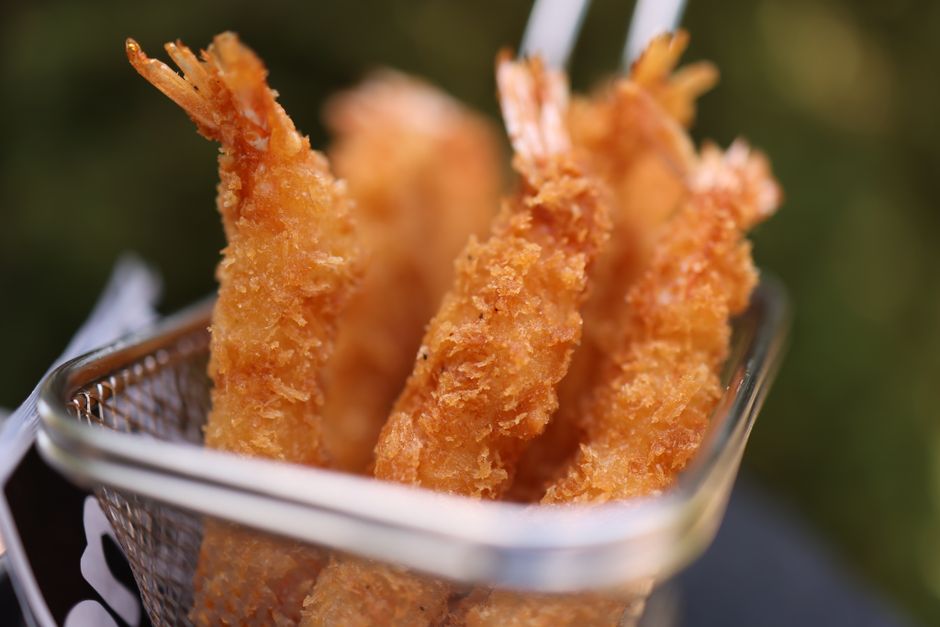
Shrimp tempura is not a health food, but it is not a complete nutritional disaster either. The deep frying adds significant calories and fat, but the shrimp itself provides valuable protein and nutrients. Whether it fits into a healthy diet depends entirely on how often you eat it and what you pair it with.
What Is in Shrimp Tempura Nutritionally?
A standard serving of shrimp tempura — about 4 to 6 pieces — contains roughly 250 to 350 calories. The exact number depends on the size of the shrimp and the thickness of the batter. Most of those calories come from the fried coating, not the shrimp.
The shrimp itself is a lean protein source. A 3-ounce serving of shrimp has about 20 grams of protein and less than 1 gram of fat. Shrimp also provides selenium, vitamin B12, and iodine. These nutrients support thyroid function and immune health.
The tempura batter changes everything. Traditional tempura batter is made from wheat flour, cornstarch, and cold water. When fried in oil, it absorbs a significant amount of fat. A single piece of shrimp tempura can contain 5 to 8 grams of fat, depending on the oil temperature and frying time.
| Nutrient | Shrimp Only (3 oz) | Shrimp Tempura (4-6 pieces) |
|---|---|---|
| Calories | 84 | 250-350 |
| Protein | 20 g | 18-22 g |
| Total Fat | 0.8 g | 12-18 g |
| Saturated Fat | 0.2 g | 2-4 g |
| Sodium | 94 mg | 400-600 mg |
| Carbohydrates | 0 g | 20-30 g |
The sodium spike is worth noting. Tempura batter is seasoned, and restaurant versions often add salt. If you have high blood pressure or are watching your salt intake, this matters more than the calorie count.
Is Shrimp Tempura Healthy Compared to Other Fried Foods?
Compared to many other fried foods, shrimp tempura is a moderate option. The batter is lighter and thinner than what you find on fish and chips or fried chicken. Tempura batter uses cold water and minimal mixing, which creates a crispy coating that absorbs less oil than a thick, doughy batter.
The American Heart Association recommends limiting fried foods because of their link to heart disease and weight gain. Research published in the BMJ found that people who ate fried foods four or more times per week had a 37% higher risk of type 2 diabetes and a 23% higher risk of coronary artery disease. Shrimp tempura counts as a fried food, so the same risks apply.
That said, shrimp tempura is typically fried in vegetable oil at high temperatures. The cooking time is short — usually 2 to 3 minutes. This limits the formation of trans fats compared to foods that are fried for longer periods or in reused oil.
One advantage shrimp tempura has over other fried foods is the protein content. A serving provides over 20 grams of protein, which helps with satiety. You will feel fuller after eating shrimp tempura than after eating the same number of calories from French fries or onion rings.
What Are the Health Risks of Eating Shrimp Tempura?
The main health risk is the oil. Deep frying adds significant calories and fat that you would not get from boiled or grilled shrimp. Eating fried foods regularly is linked to higher body weight, increased inflammation, and higher cholesterol levels.
There is also the question of oil quality. Restaurants often reuse frying oil multiple times. Reheating oil to high temperatures creates compounds called polar compounds and aldehydes. Some of these compounds are associated with oxidative stress and inflammation in the body. The CDC does not regulate how many times restaurants can reuse oil, so quality varies widely.
Another concern is the carbohydrate load from the batter. A serving of shrimp tempura contains 20 to 30 grams of carbohydrates, mostly from refined flour. If you are managing diabetes or prediabetes, this can raise blood sugar more than you might expect from a protein-based food.
Shrimp itself is high in dietary cholesterol — about 180 mg per 3-ounce serving. For most people, dietary cholesterol does not significantly impact blood cholesterol levels. The American Heart Association states that saturated fat is a bigger concern than dietary cholesterol. But if you have a history of high cholesterol, it is worth discussing with your doctor.





Does Shrimp Tempura Have Any Nutritional Benefits?
Yes, the shrimp itself brings real nutritional value. Shrimp is one of the best food sources of selenium. Selenium is an antioxidant mineral that supports thyroid function and helps protect cells from damage. A 3-ounce serving provides about 50% of the daily recommended intake.
Shrimp also contains astaxanthin, a carotenoid compound that gives shrimp its pink color. Some studies suggest astaxanthin has anti-inflammatory properties, though most research has been done in test tubes or animals, not humans. The amount in a typical serving of shrimp is small.
Vitamin B12 is another benefit. Shrimp provides about 1.5 micrograms per serving, which is over 60% of the daily recommended intake. B12 is essential for nerve function and red blood cell formation. Many adults over 50 have trouble absorbing B12 from food, so shrimp can be a useful source.
These benefits are present in the shrimp regardless of how it is cooked. Grilled or boiled shrimp provides the same nutrients without the added fat and calories from frying. If you choose tempura, you are getting the shrimp benefits along with the downsides of deep frying.
How to Make Shrimp Tempura Healthier at Home
If you cook shrimp tempura at home, you have more control over the ingredients and the oil. The biggest improvement comes from choosing your oil carefully. Avocado oil and peanut oil have higher smoke points than olive oil, which means they break down less during frying.
Using fresh oil matters. Reusing oil increases the formation of harmful compounds. If you fry at home, discard the oil after one or two uses. Do not let it sit in the pan and cool down multiple times.
The batter can be modified to be slightly better. Replace half the white flour with whole wheat flour or rice flour. Rice flour creates a crispier texture and adds a small amount of fiber. You can also reduce the batter thickness. A thinner coating means less oil absorption.
Here are practical tips for a lighter version:
- Use a thermometer to keep oil at 350-375°F. Oil that is too cool makes the batter absorb more fat.
- Drain fried shrimp on paper towels for at least 30 seconds before serving.
- Serve with a vinegar-based dipping sauce instead of sweet tempura sauce. Sugar adds empty calories.
- Pair with a large vegetable salad or steamed greens to balance the meal.
Air frying is another option. An air fryer uses hot circulating air instead of oil. The texture is different — less crispy, more dry — but the calorie reduction is significant. Air-fried shrimp tempura can have 60% less fat than traditionally fried versions.
Common Misconceptions About Shrimp Tempura
Some people believe that tempura is healthier than other fried foods because the batter is light. The lightness of the batter does not automatically mean fewer calories. A light batter can still absorb significant oil if the frying temperature is wrong or if the shrimp sits in the oil too long.
Another misconception is that shrimp tempura is low in calories because shrimp itself is low in calories. This ignores the batter and the oil. A single piece of shrimp tempura has about three times the calories of a boiled shrimp of the same size.
There is also a belief that tempura sauce is healthy because it is made from soy sauce and mirin. Tempura sauce does contain soy sauce, which provides some antioxidants from fermentation. But it also contains sugar. A tablespoon of typical tempura sauce has about 3 to 5 grams of sugar.
Some people think that eating shrimp tempura at a Japanese restaurant is automatically healthier than fried food from other cuisines. The cooking method is similar — deep frying in oil. The health outcome depends on portion size, frequency, and what else you eat with it, not the cuisine label.
Shrimp tempura is not a health hazard in moderation. The protein and nutrients from shrimp are real. But the deep frying adds calories, fat, and sodium that accumulate quickly if you eat it regularly. Treat it as an occasional food, not a staple. If you want the nutritional benefits of shrimp without the downsides, grilled or boiled shrimp is a better everyday choice.
Frequently Asked Questions
Is shrimp tempura high in calories?
A serving of 4 to 6 pieces contains 250 to 350 calories, which is moderate for a meal component but high compared to boiled or grilled shrimp.
Does shrimp tempura have protein?
Yes, a serving provides 18 to 22 grams of protein, mostly from the shrimp itself.
Is tempura batter unhealthy?
The batter is made from refined flour and absorbs significant oil during frying, adding fat and carbohydrates without much nutritional value.
Can I eat shrimp tempura on a diet?
You can eat it occasionally in small portions, but it is not a diet-friendly food due to the added fat and calories from frying.
