
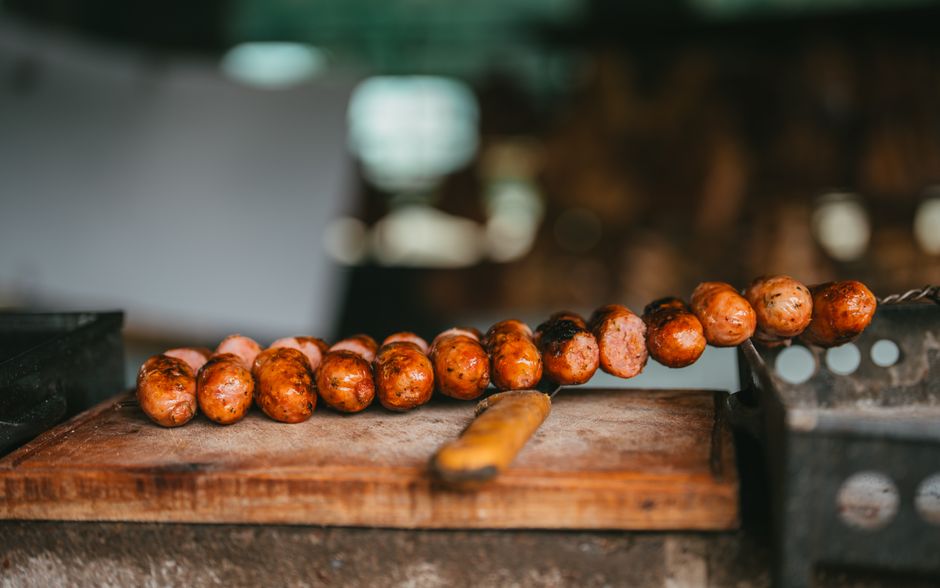
Chorizo is a highly processed red meat that is high in saturated fat and sodium, and its regular consumption is linked to increased health risks. The nutritional facts show it provides protein and B vitamins, but the downsides of processed meat generally outweigh the benefits for most people. This is not about avoiding chorizo entirely, but understanding what the evidence actually says so you can make an informed choice.
What Is Chorizo and How Is It Made?
Chorizo is a pork sausage that comes in two main types: Spanish and Mexican. Spanish chorizo is a cured, fermented sausage that can be eaten without cooking. Mexican chorizo is a fresh sausage that must be cooked before eating.
Both types start with ground pork. The key difference is how they are seasoned and processed. Spanish chorizo uses smoked paprika (pimentón) and garlic. Mexican chorizo uses chili peppers and vinegar.
The processing is what matters most for your health. Chorizo is made with salt, preservatives like sodium nitrite, and often a lot of fat. The curing or fermenting process changes the meat chemistry. Research published in the International Journal of Epidemiology has found that processed meats like chorizo are classified as Group 1 carcinogens by the World Health Organization’s International Agency for Research on Cancer (IARC). This means there is strong evidence that processed meat causes colorectal cancer.
Is Chorizo Bad For You Nutrition Facts Explained
A standard serving of chorizo is about 2 ounces, or roughly one link. In that serving, you get around 270 calories, 23 grams of fat, and 9 grams of saturated fat. That is almost half the daily recommended limit for saturated fat in one small serving.
The sodium content is also high. The same 2-ounce serving contains about 700 to 800 milligrams of sodium. The American Heart Association recommends no more than 2,300 milligrams per day, with an ideal limit of 1,500 milligrams for most adults. A single serving of chorizo gives you about one-third to one-half of that daily limit.
Chorizo does provide some nutrients. It contains about 14 grams of protein per serving. It also has B vitamins, particularly B12, and small amounts of zinc and selenium. However, these nutrients are available in many other foods without the high saturated fat and sodium. Lean chicken, fish, beans, or lentils provide protein and B vitamins without the same risks.
| Food | Calories | Saturated Fat | Sodium | Protein |
|---|---|---|---|---|
| Chorizo (cured) | 270 | 9g | 750mg | 14g |
| Chicken breast (cooked) | 95 | 0.5g | 60mg | 18g |
| Ground beef (85% lean) | 145 | 5g | 60mg | 15g |
| Black beans (cooked) | 70 | 0g | 2mg | 5g |
What Does Research on Processed Meat and Health Show?
The evidence linking processed meat to cancer is strong and consistent. The IARC review in 2015 analyzed over 800 studies. They concluded that each 50-gram portion of processed meat eaten daily increases the risk of colorectal cancer by 18 percent. A 50-gram portion is about 1.75 ounces, which is less than one full chorizo link.
Heart disease is also a concern. A large analysis published in Circulation in 2020 tracked over 130,000 people for up to 30 years. It found that eating processed meat regularly was linked to a higher risk of cardiovascular disease and death. The study showed that people who ate processed meat had a 13 percent higher risk of dying from heart disease compared to those who ate the least.
Some studies suggest the risk may be lower with unprocessed red meat. The same Circulation study found that unprocessed red meat was not linked to a higher risk of heart disease or death. This points to the processing itself — the nitrates, salt, and other additives — as a key factor in the health risks.
Nitrates and nitrites are used to preserve chorizo and give it color. When these compounds are cooked at high heat, they can form nitrosamines. Nitrosamines are known carcinogens. This is why the way chorizo is prepared matters.




What About the Fat and Cholesterol in Chorizo?
Chorizo is high in saturated fat. The 9 grams of saturated fat in a 2-ounce serving is significant. The Dietary Guidelines for Americans recommend limiting saturated fat to less than 10 percent of daily calories. For a 2,000-calorie diet, that is 22 grams per day. One serving of chorizo uses up nearly half of that.
High saturated fat intake raises LDL cholesterol, the “bad” cholesterol. The American Heart Association states that reducing saturated fat can lower heart disease risk. Replacing saturated fat with unsaturated fats, like those in olive oil, nuts, or avocados, has been shown to reduce cardiovascular events.
Chorizo also contains about 50 to 60 milligrams of cholesterol per serving. For most people, dietary cholesterol has less impact on blood cholesterol than saturated fat does. The bigger concern remains the saturated fat content.
Some people point to the “meat paradox” where traditional diets included cured meats without apparent harm. But traditional diets also involved much lower overall meat consumption and more physical activity. The modern context of a sedentary lifestyle and high-calorie diet changes the equation.
How to Include Chorizo in a Balanced Diet
You do not need to eliminate chorizo completely. The evidence points to risk with regular, daily consumption. Occasional use is a different matter.
Think of chorizo as a flavoring ingredient rather than a main protein source. A small amount can add significant flavor to a dish. Use it in small quantities to season beans, soups, or rice dishes. This way you get the taste without the high volume of fat and sodium.
Consider these practical approaches:
- Use 1 to 2 ounces of chorizo to flavor a dish that serves 4 people
- Mix chorizo with beans or lentils to stretch the protein while reducing the meat per serving
- Choose cooking methods that allow fat to drain off, such as pan-frying and blotting with paper towels
- Pair chorizo with vegetables to increase fiber and nutrient density of the meal
- Read labels carefully — some chorizo products have lower sodium options, though they are still processed meats
If you are concerned about nitrates, you may see “uncured” chorizo labeled as no nitrates added. These products often use celery powder or celery juice as a natural source of nitrates. The body converts these to nitrites similarly to synthetic versions. There is no strong evidence that “uncured” processed meats are safer.
Common Misconceptions About Chorizo
One common belief is that Spanish chorizo is healthier than Mexican chorizo because it is cured. Both are processed meats with similar nutritional profiles. Spanish chorizo often has slightly less fat because it is drier, but the sodium and preservative content are comparable.
Another misconception is that cooking chorizo removes the health risks. Cooking can reduce some fat content, but it does not remove the sodium or the nitrates. In fact, high-heat cooking can increase the formation of harmful compounds like nitrosamines and heterocyclic amines.
Some people think that because chorizo is a whole food — just meat and spices — it is not “processed.” The term “processed meat” in scientific literature means any meat that has been transformed through salting, curing, fermentation, or smoking. Chorizo clearly fits this definition regardless of whether it looks like a whole food.
The idea that traditional diets prove chorizo is safe ignores the dose and context. People in traditional Spanish diets ate chorizo as part of a Mediterranean diet rich in vegetables, legumes, and olive oil. They also had higher physical activity levels. The same food in a modern diet with less fiber and more calories overall has different effects.
Frequently Asked Questions
Is chorizo worse for you than bacon?
Both are processed meats with similar health risks. Chorizo typically has more fat and calories per serving than bacon, but both are classified as Group 1 carcinogens by the IARC.
Can I eat chorizo if I have high blood pressure?
It is best to limit chorizo due to its high sodium content. One serving contains 700 to 800 milligrams of sodium, which is a significant portion of the daily limit for someone with hypertension.
Is turkey chorizo a healthier option?
Turkey chorizo is lower in total fat and saturated fat than pork chorizo, but it is still a processed meat with similar sodium and preservative levels. It is a modest improvement but not a health food.
How often can I eat chorizo without health risks?
The evidence suggests that occasional consumption, such as once or twice per month, carries much lower risk than weekly or daily intake. No amount is completely risk-free, but infrequent small portions are reasonable for most people.
