
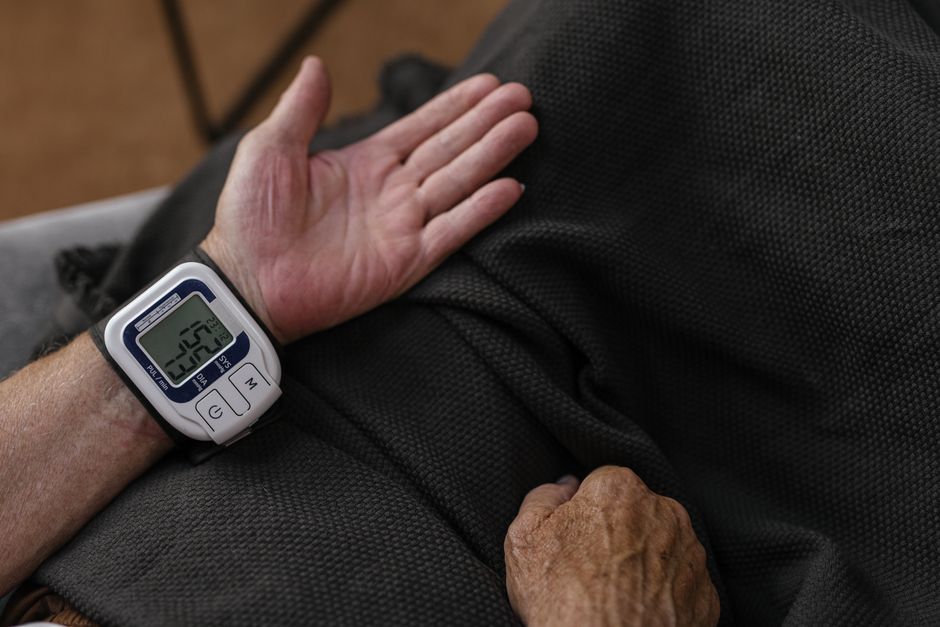
A blood pressure reading of 167 is dangerous and requires immediate medical attention. This number falls into the hypertensive crisis category, which means your blood pressure is high enough to cause organ damage or a life-threatening event like a stroke or heart attack. You should contact a healthcare provider right away or seek emergency care if you also have symptoms like chest pain, shortness of breath, or vision changes.
What Does a Reading of 167 Actually Mean?
Blood pressure is measured with two numbers. The top number, called systolic pressure, measures the force of blood against your artery walls when your heart beats. The bottom number, called diastolic pressure, measures that same force between beats when your heart rests.
A reading of 167 refers to the systolic number. Normal systolic pressure is below 120. A systolic reading of 167 is severely elevated regardless of what the bottom number shows.
Medical guidelines classify blood pressure into categories. A systolic reading of 180 or higher is considered a hypertensive emergency. A systolic reading between 160 and 179 falls into the hypertensive crisis range, which is still a medical emergency that needs prompt evaluation.
The danger comes from the physical stress this pressure places on your blood vessels and organs. High pressure can damage the delicate lining of arteries, weaken vessel walls, and force the heart to work harder than it should.
Is A Blood Pressure Reading Of 167 Dangerous Right Now?
Yes, a reading of 167 is dangerous in the immediate sense. This level of pressure can cause acute damage to your brain, heart, kidneys, and eyes. The medical term for this situation is hypertensive crisis.
Hypertensive crisis splits into two categories. The first is hypertensive urgency, where blood pressure is very high but no signs of organ damage are present. The second is hypertensive emergency, where high blood pressure is actively damaging organs.
You cannot tell which category you are in without a medical evaluation. Someone with a reading of 167 might feel completely fine, or they might be experiencing a stroke. The absence of symptoms does not mean the situation is safe.
If your reading is 167 and you feel well, call your doctor or a nurse advice line immediately. They will tell you whether to come in or go to the emergency room. Do not wait hours to make this call. Do not try to lower your blood pressure on your own with extra medication doses, as this can cause dangerous drops in pressure.
What Symptoms Should Prompt an Emergency Room Visit?
Certain symptoms combined with a reading of 167 mean you need emergency care without delay. These symptoms suggest that high blood pressure is already damaging your body.
- Chest pain or pressure
- Shortness of breath
- Severe headache, especially one that comes on suddenly
- Vision changes or blurred vision
- Weakness or numbness on one side of the body
- Difficulty speaking or understanding speech
- Severe anxiety or confusion
- Nausea or vomiting
- Seizures
These symptoms can indicate a heart attack, stroke, or other organ damage. Emergency treatment focuses on lowering blood pressure in a controlled way to prevent further injury.
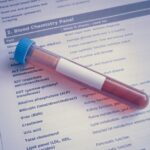
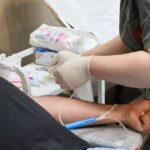
In the emergency room, doctors will run tests to check for organ damage. These tests may include blood work, an electrocardiogram, and imaging studies. Treatment depends on what these tests show.
Why Would Blood Pressure Spike This High?
Several situations can cause blood pressure to reach 167. Understanding the cause matters because it affects how doctors approach treatment.
For people already diagnosed with high blood pressure, a reading this high often means their medication is no longer working well enough. They may have missed doses, or their condition may have progressed. Some people stop taking blood pressure medication because they feel fine, not realizing that the condition is often silent until damage occurs.
Other possible causes include:
- Severe stress or anxiety
- Pain from an injury or condition
- Certain medications like decongestants, steroids, or NSAIDs
- Illegal drugs such as cocaine or amphetamines
- Excessive alcohol consumption
- Kidney disease
- Thyroid disorders
- Sleep apnea
- Pregnancy-related conditions like preeclampsia
Sometimes the cause is a combination of factors. A person with underlying high blood pressure who takes a decongestant for a cold might see their pressure spike dramatically. The medication narrows blood vessels, adding to the existing problem.
What Happens Inside the Body at This Pressure?
Blood pressure of 167 forces your heart to pump against significant resistance. Over time, the heart muscle thickens because it has to work harder. This thickening, called left ventricular hypertrophy, makes the heart less efficient and increases the risk of heart failure.
The pressure also damages the endothelium, the delicate inner lining of your blood vessels. Once this lining is damaged, cholesterol and other substances can build up in the artery walls. This process, called atherosclerosis, narrows arteries and makes them stiffer.
In the brain, high pressure can cause blood vessels to leak or rupture, leading to a hemorrhagic stroke. It can also cause small blood clots that block blood flow, leading to an ischemic stroke. Both types of stroke can cause permanent disability or death.
The kidneys filter your blood through millions of tiny blood vessels. High pressure damages these vessels over time, reducing kidney function. The kidneys also play a major role in regulating blood pressure, so kidney damage can create a cycle where blood pressure keeps climbing.
The eyes have delicate blood vessels that are easily damaged by high pressure. This damage, called hypertensive retinopathy, can cause vision loss if left untreated.
How Is a Hypertensive Crisis Treated?
Treatment depends on whether organ damage is present. This is why a medical evaluation is so important.
If no organ damage is found, doctors typically prescribe oral blood pressure medication or adjust existing medications. They may observe you for a few hours to make sure your blood pressure starts coming down safely. Most people are sent home with a medication plan and instructions to follow up within a few days.
If organ damage is present, you will be admitted to the hospital. Treatment involves intravenous blood pressure medication that lowers pressure gradually and carefully. The goal is not to drop blood pressure rapidly, as this can reduce blood flow to the brain and other organs.
Doctors aim to lower systolic pressure by about 25 percent within the first hour in a hypertensive emergency. Faster drops can cause more harm than good. Once blood pressure stabilizes, doctors work on identifying and treating the underlying cause.
What Should You Do If You Get a Reading of 167 at Home?
First, make sure the reading is accurate. Sit quietly for five minutes before taking your measurement. Your feet should be flat on the floor, your back supported, and your arm supported at heart level. Do not talk during the measurement.
If you get a reading of 167, wait a few minutes and take it again. If the second reading is also high, do not ignore it. Call your healthcare provider right away. Tell them your reading and describe any symptoms you are experiencing.
Do not drive yourself to the emergency room if you are having symptoms like chest pain, severe headache, or weakness. Call 911 instead. Emergency responders can begin treatment on the way to the hospital.
Do not take extra doses of your blood pressure medication to try to fix the problem yourself. Taking too much medication can cause your blood pressure to drop too low, which carries its own set of risks including fainting and falls.
How Can You Prevent Future Readings This High?
If you have high blood pressure, taking your medication exactly as prescribed is the single most important thing you can do. Blood pressure medication controls the condition; it does not cure it. Skipping doses allows blood pressure to climb back up.
Home monitoring helps you track your blood pressure between doctor visits. Bring your home monitor to your appointments so your doctor can check its accuracy. Keep a log of your readings and share it with your healthcare team.
Lifestyle changes can also help lower blood pressure. Reducing sodium intake, limiting alcohol, maintaining a healthy weight, and getting regular physical activity all have documented effects on blood pressure. The DASH diet, which emphasizes fruits, vegetables, whole grains, and low-fat dairy, has been shown to lower blood pressure effectively.
Stress management matters too. Chronic stress can contribute to high blood pressure, and acute stress can cause temporary spikes. Deep breathing, meditation, and adequate sleep all help regulate the body’s stress response.
If your blood pressure stays high despite treatment, talk to your doctor. You may need a different medication or a combination of medications. Many people need two or more medications to control their blood pressure effectively.
Frequently Asked Questions
Is 167 over 100 a medical emergency?
Yes, a reading of 167/100 is a hypertensive crisis and requires prompt medical evaluation. Go to the emergency room if you have any symptoms like chest pain, headache, or shortness of breath.
Can a blood pressure of 167 cause a stroke?
Yes, blood pressure this high can cause a stroke by damaging or rupturing blood vessels in the brain. The risk is highest when the reading stays elevated for a prolonged period or when other risk factors are present.
Should I go to the hospital for blood pressure 167?
You should seek medical care immediately, either by calling your doctor or going to an emergency room. A reading of 167 is too high to manage with home remedies or simple rest.
How quickly can blood pressure drop from 167?
With appropriate medical treatment, blood pressure can begin dropping within hours, but doctors lower it gradually to avoid complications. Do not attempt to lower it rapidly on your own, as this can be dangerous.
