
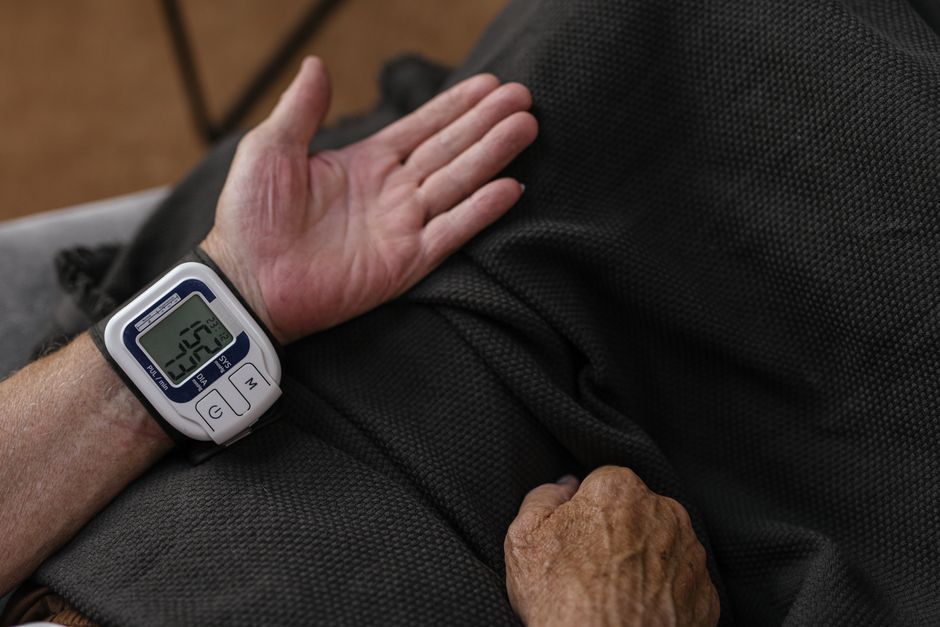
A blood pressure reading of 198 is a medical emergency. When the top number (systolic pressure) reaches 198, you need emergency medical care right away — call 911 or have someone drive you to an emergency room. Do not wait to see if it comes down on its own.
This guide explains what that number means, why it is dangerous, what symptoms matter most, and what to do. It also covers the difference between a one-time spike and a true hypertensive crisis, because that distinction affects how urgently you need care.
What Does A Blood Pressure Reading Of 198 Mean?
Blood pressure is written as two numbers, like 198/120. The top number is systolic pressure — the force of blood against your artery walls when your heart beats. The bottom number is diastolic pressure — the pressure between beats, when your heart relaxes and refills.
A systolic reading of 198 is far above the normal range. Normal blood pressure is below 120/80. The American Heart Association and American College of Cardiology classify high blood pressure in stages:
- Normal: below 120/80
- Elevated: systolic 120–129 and diastolic below 80
- Stage 1 hypertension: systolic 130–139 or diastolic 80–89
- Stage 2 hypertension: systolic 140 or higher or diastolic 90 or higher
- Hypertensive crisis: systolic above 180 and/or diastolic above 120
A reading of 198 sits firmly in the hypertensive crisis category. That category has two very different forms, and the difference matters enormously for what happens next.
Hypertensive urgency versus hypertensive emergency
In hypertensive urgency, blood pressure is extremely high (above 180/120) but there is no evidence of damage to organs. In hypertensive emergency, that same high pressure is actively harming organs — the brain, heart, kidneys, or eyes. The number alone does not tell you which one you are facing. Symptoms and clinical tests do.
This is the key point: 198 is dangerous, but the danger is not identical in every case. A person with 198 and no symptoms may have urgency. A person with 198 and chest pain, confusion, or vision loss is in an emergency. Only a clinician can reliably tell the two apart, which is why any reading above 180/120 warrants immediate medical contact.
Is A 198 Blood Pressure Reading Dangerous?
Yes. A systolic reading of 198 is dangerous and requires emergency evaluation. It is well above the threshold that defines hypertensive crisis, and at that level the risk of organ damage rises sharply.
Sustained pressure that high puts serious strain on blood vessels and organs. The specific dangers clinicians watch for include:
- Stroke — extremely high pressure can cause a blood vessel in the brain to rupture or fail
- Heart attack and heart strain — the heart works much harder against high resistance
- Aortic dissection — a tear in the body’s main artery, which is a life-threatening emergency
- Kidney injury — the small blood vessels in the kidneys can be damaged
- Eye damage — bleeding or swelling in the retina
- Fluid in the lungs — the heart can struggle to pump effectively, backing fluid into the lungs
These are not theoretical risks. They are the documented complications of hypertensive emergency, and they are why the condition is treated as a crisis rather than a routine high reading.
One clarification worth knowing: a single very high reading is not automatically the same as a hypertensive emergency. The presence or absence of organ damage is what defines the emergency. But because you cannot assess organ damage at home, the safe response to 198 is always to seek emergency care.
What Symptoms Mean You Need Emergency Care Immediately?
Certain symptoms turn a high reading into an unmistakable emergency. If you have a blood pressure of 198 and any of the following, call 911 immediately.
- Chest pain or pressure
- Shortness of breath
- Severe headache, especially one that comes on suddenly
- Confusion, trouble speaking, or difficulty understanding
- Weakness or numbness on one side of the body
- Vision changes or loss of vision
- Severe back pain, particularly between the shoulder blades
- Nausea or vomiting alongside the high reading
- Seizure
- Blood in the urine
These symptoms can signal stroke, heart attack, aortic dissection, or other organ damage. They are time-sensitive. The faster care begins, the better the outcome tends to be.
If you have a reading of 198 with none of these symptoms, you still need urgent medical attention — but the situation may be hypertensive urgency rather than emergency. Do not drive yourself if you feel unwell. Have someone take you, or call for help.

What Should You Do If Your Reading Is 198?
Call for emergency help. That is the core action, and everything else follows from it.
Here is what to do while you wait for care or on the way:
- Stay calm and sit down. Rest quietly.
- Do not take extra doses of blood pressure medication on your own to force the number down. This can be dangerous.
- Do not try to “wait it out” to see if it drops.
- If you have a home monitor, take a second reading a few minutes apart and note both numbers to share with clinicians.
- Bring a list of your medications, or bring the bottles.
One important warning: lowering blood pressure too fast can itself cause harm. In many cases of hypertensive emergency, clinicians lower the pressure gradually and in a controlled way rather than dropping it quickly. This is why self-treating an extremely high reading at home is risky. The speed and method of lowering pressure are clinical decisions, not home decisions.
Do not take a fast-acting blood pressure pill that was prescribed for a different situation, and do not borrow someone else’s medication. If you are unsure whether to go to the emergency room or call your doctor, err toward emergency care when the number is 198.
What Causes Blood Pressure To Spike To 198?
A spike to 198 can happen for several reasons. Sometimes it reflects chronic high blood pressure that has gone untreated or poorly controlled. Sometimes it is triggered by an acute event or substance.
Common contributors include:
- Uncontrolled or untreated high blood pressure — the most common underlying cause
- Skipping or stopping blood pressure medication
- Kidney disease
- Stimulant drugs, including cocaine and amphetamines
- Certain medications, such as some decongestants, steroids, and other drugs
- Severe pain or acute stress
- Withdrawal from alcohol or certain drugs
- Hormonal conditions affecting the adrenal glands or thyroid
- Preeclampsia in pregnancy, which is a medical emergency
Identifying the cause matters because treatment depends on it. A spike caused by a stimulant is handled differently from one caused by untreated chronic hypertension. This is part of why a clinician needs to evaluate the situation rather than treating the number alone.
If you have a home monitor and get a reading anywhere near 198, do not assume the device is wrong and ignore it. Home monitors can have errors, but a very high reading should be confirmed and taken seriously, not dismissed.
How Is A Hypertensive Crisis Treated?
Treatment depends on whether there is organ damage. That distinction drives everything.
In hypertensive emergency (with organ damage), treatment happens in a hospital, often in an intensive care setting. Clinicians use intravenous medications to lower blood pressure in a controlled, monitored way. The goal is not to normalize the number instantly but to bring it down safely while protecting organs. The exact targets and speed are set by the clinical team based on the specific organ involved.
In hypertensive urgency (without organ damage), the approach is usually gentler. Clinicians typically aim to reduce blood pressure gradually over hours to days using oral medications, and they investigate why the pressure rose. Some clinicians recommend a period of observation. The evidence on the best exact approach for urgency is less settled than for emergency, and practice varies.
After the crisis is controlled, the focus shifts to long-term management — getting blood pressure into a safe range with medication, lifestyle changes, and regular monitoring. A hypertensive crisis is often a signal that underlying high blood pressure needs better treatment.
The Bottom Line
A blood pressure reading of 198 is dangerous and falls into the hypertensive crisis range. The right response is emergency medical care — call 911 or get to an emergency room, especially if you have chest pain, shortness of breath, severe headache, confusion, vision changes, or weakness on one side of the body.
Do not try to lower the number at home with extra medication. Do not wait to see if it drops. The difference between urgency and emergency is decided by whether organs are being harmed, and that is a clinical judgment you cannot make on your own.
If you have high blood pressure, the best protection against a crisis is consistent treatment and monitoring. Talk with your clinician about your target range and what to do if your readings climb.
Frequently Asked Questions
Is 198 over 120 a hypertensive crisis?
Yes. A reading above 180/120 is classified as a hypertensive crisis and requires immediate medical attention. Call 911 or go to an emergency room right away.
Can I wait to see if my blood pressure of 198 comes down?
No. A reading of 198 should not be waited out, because organ damage can develop without obvious warning. Seek emergency care immediately rather than monitoring it at home.
Should I take extra blood pressure medication if my reading is 198?
No. Do not take extra doses on your own, because lowering blood pressure too quickly can cause harm. Let emergency clinicians manage the number safely.
What is the difference between hypertensive urgency and hypertensive emergency?
Hypertensive urgency is very high blood pressure without organ damage, while hypertensive emergency is very high blood pressure that is actively damaging organs. Only a clinician can reliably tell them apart, which is why any reading above 180/120 needs prompt medical evaluation.
