

Yes, regular chip eating can raise blood pressure, but the reason is not the potato. It is the sodium. A single small bag of many popular chips can carry 150 to 250 milligrams of sodium, and that adds up fast against the 2,300 milligram daily limit set in the Dietary Guidelines for Americans. Eat chips most days and you may be pushing your blood pressure up without realizing it.
There is a second layer here that most people miss. It is not only the salt shaker. It is the total pattern. Chips rarely show up alone. They come with soda, with late-night snacking, with meals that are already salty. The blood pressure effect is real, and it is mostly about sodium load over time.
Do Chips Raise Blood Pressure Heres What Happens
Sodium is the main driver. When you eat a lot of it, your body holds extra water to keep your blood chemistry balanced. That extra fluid means more volume inside your blood vessels, and more volume means higher pressure against the vessel walls.
For some people, sodium also affects how the blood vessels tighten and relax. The kidneys normally filter out excess sodium, but when intake stays high for years, that system gets strained. Blood pressure creeps up slowly. You do not feel it happening.
The effect is not the same for everyone. Some people are salt-sensitive, meaning their blood pressure responds strongly to sodium. Others respond less. Research consistently shows that cutting sodium lowers blood pressure on average across populations, even if the size of the drop varies from person to person.
One bag of chips will not send your blood pressure into a dangerous range. The problem is the pattern. A daily habit over months and years is what moves the numbers.
How Much Sodium Is Actually in Chips?
More than most people expect. Sodium content varies widely by brand and flavor, but the range is worth knowing because it shapes your daily total.
| Type | Typical sodium per 1 oz (about 15 chips) |
|---|---|
| Plain salted potato chips | About 150-170 mg |
| Flavored chips (barbecue, sour cream, cheese) | About 200-300 mg |
| Kettle-cooked varieties | Often similar to flavored, sometimes higher |
| “Lightly salted” versions | Usually lower, but check the label |
Those numbers are per ounce. A standard “snack size” bag is often one ounce. A larger bag people eat in one sitting is frequently two to three ounces. That is 300 to 900 milligrams of sodium in a single snack.
For context, the Dietary Guidelines for Americans recommend keeping sodium under 2,300 milligrams per day for most adults. That is roughly one teaspoon of table salt for the entire day. A big bag of flavored chips can use up a large share of that in ten minutes.
The American Heart Association has historically suggested an even lower target, around 1,500 milligrams per day, especially for people with high blood pressure. The best approach is to check the Nutrition Facts label on the specific bag in front of you. Sodium varies more than people assume, even within the same brand.
Is It Just the Salt, or Something Else?
Salt is the main issue for blood pressure, but it is not the only one. Chips also tend to be high in calories and low in the nutrients that support healthy blood pressure, like potassium, calcium, and magnesium.
Potassium matters more than most people realize. It helps the body balance sodium and ease tension in blood vessel walls. Foods like beans, potatoes with the skin, bananas, spinach, and yogurt are good sources. Chips deliver almost none of it.
There is also the weight angle. Chips are calorie-dense and easy to overeat. Carrying extra body weight is one of the strongest contributors to high blood pressure. So chips can affect blood pressure through two paths at once: sodium and weight gain over time.
Frying oils and additives are a common concern in headlines, but the evidence linking them directly to blood pressure is much weaker than the evidence for sodium. The salt is the clear, well-established factor.



How Fast Can Chips Affect Blood Pressure?
A single salty meal can raise blood pressure slightly for a short time in some people, but this is usually temporary. The body adjusts. The bigger concern is what happens over weeks, months, and years of consistent high sodium intake.
Blood pressure tends to rise gradually. There is rarely a moment when you feel it change. That is why it is called the “silent” condition. Many people do not know their numbers are creeping up until a routine check catches it.
If you cut back on sodium, some people see a drop in blood pressure within a few weeks. The response varies. Some people are more salt-sensitive than others, and factors like age, genetics, and existing health conditions all play a role.
What is well established is the direction: less sodium generally means lower blood pressure, and more sodium generally means higher. The exact size of the change depends on the person.
Are Some Chips Better Than Others?
Some options are lower in sodium, but “better” needs context. A chip is still a chip. The goal is not to find a healthy chip. The goal is to understand what you are eating and how often.
- Lightly salted or unsalted chips carry less sodium, but check the label because “lightly salted” is not a regulated standard.
- Baked chips often have less fat and fewer calories, but sodium can be similar to regular chips.
- Vegetable chips like beet, kale, or sweet potato chips sound healthier but frequently have sodium levels close to regular potato chips.
- Homemade chips let you control the salt, which is the one factor that matters most for blood pressure.
The label is your best tool. Compare sodium per serving across brands. A difference of 100 milligrams per ounce adds up over a week.
Watch the serving size too. A bag that looks like one serving may actually list two or three servings on the label. The sodium number is per serving, not per bag.
What Else Raises Blood Pressure Besides Chips?
Chips are one source of sodium among many. If you cut chips but keep everything else the same, you may not see much change. The full picture matters.
Other common sodium sources include canned soups, deli meats, frozen dinners, restaurant food, pizza, bread, and cheese. Processed foods in general tend to carry more sodium than most people expect. Bread is a surprising one for many people because it does not taste salty, but a few slices can add up.
Beyond sodium, other factors that raise blood pressure include:
- Carrying extra body weight
- Not getting enough physical activity
- Drinking too much alcohol
- Chronic stress
- Poor sleep, including sleep apnea
- Smoking and tobacco use
Some of these are within your control. Some are not. Genetics and age also play a role, and those are not things you can change.
The point is not to blame one snack. It is to see the whole pattern. Chips are a piece of it, not the whole story.
What Should You Do If You Love Chips?
You do not have to give them up completely. That approach rarely lasts. A more realistic strategy is to change how often and how much.
Try these approaches:
- Eat chips less often, not never. Once or twice a week is very different from daily.
- Measure out a serving instead of eating from the bag.
- Choose lower-sodium brands when you can.
- Balance salty snacks with potassium-rich foods during the day.
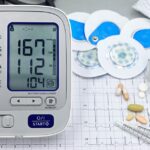
- Check your blood pressure at home if you are concerned. Home monitors are widely available and easy to use.
If your blood pressure is already high, talk to your doctor about your sodium intake. Do not adjust medications on your own based on diet changes.
For most people, the takeaway is simple. Chips can raise blood pressure when eaten often, mostly because of sodium. The fix is not dramatic. It is just paying attention to how much and how often.
Frequently Asked Questions
Do chips raise blood pressure immediately?
A single salty snack can raise blood pressure slightly for a short time in some people, but the effect is usually temporary. The bigger concern is consistent high sodium intake over months and years.
How much sodium is in a bag of chips?
A one-ounce serving of plain chips typically has about 150 to 170 milligrams of sodium, while flavored chips often have 200 to 300 milligrams. Larger bags people eat in one sitting can contain two to three times those amounts.
Are baked chips better for blood pressure?
Baked chips often have less fat and fewer calories, but their sodium content can be similar to regular chips. The sodium level is what matters most for blood pressure, so check the label.
Can I still eat chips if I have high blood pressure?
An occasional serving is unlikely to cause harm, but frequent chip eating can make blood pressure harder to manage. Talk to your doctor about your sodium target and how chips fit into your overall diet.
