
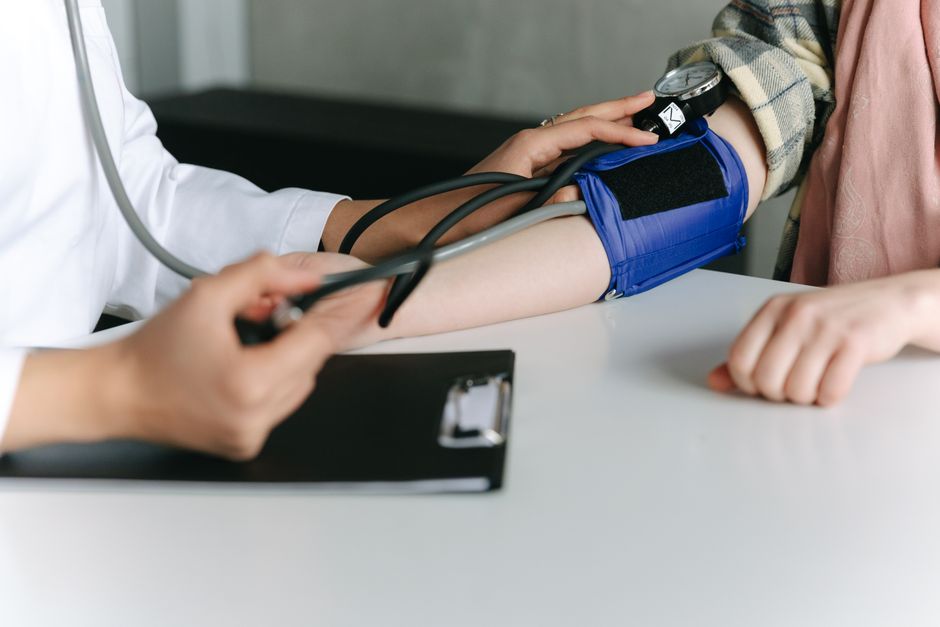
You should worry about a blood pressure reading when it reaches 180/120 mmHg or higher, when it stays at 130/80 mmHg or above over time, or when it comes with symptoms like chest pain, severe headache, or shortness of breath. A single high number is not automatically an emergency. What matters is how high it is, what you feel like when it happens, and whether the pattern holds over repeated checks.
Blood pressure is one of the few vital signs you can measure at home, which is both useful and confusing. One reading can spike from stress, caffeine, or a rushed morning. The real question is whether your numbers are telling you something that needs medical attention. Here is how to tell the difference.
What Blood Pressure Numbers Actually Mean
Blood pressure is written as two numbers, and each one measures something different. The top number, systolic pressure, is the force against your artery walls when your heart beats. The bottom number, diastolic pressure, is the pressure that remains when your heart relaxes between beats.
Both numbers matter, but they matter differently depending on your age. For most adults under 50, a rising diastolic number can be an early warning sign. After about age 50, systolic pressure tends to climb as arteries stiffen, and it becomes the stronger predictor of risk. This is why a reading like 150/70 deserves attention even though the bottom number looks fine.
Blood pressure is measured in millimeters of mercury, written as mmHg. That unit is a holdover from the mercury gauges once used to take readings, but the numbers mean the same thing today on a digital monitor.
When To Worry About A Blood Pressure Reading: The Ranges That Matter
The American Heart Association and American College of Cardiology classify blood pressure into categories that guide when to act. These categories apply to adults and come from joint clinical guidelines.
| Category | Systolic (mmHg) | Diastolic (mmHg) |
|---|---|---|
| Normal | Less than 120 | Less than 80 |
| Elevated | 120–129 | Less than 80 |
| Stage 1 hypertension | 130–139 | 80–89 |
| Stage 2 hypertension | 140 or higher | 90 or higher |
| Hypertensive crisis | Higher than 180 | Higher than 120 |
A reading counts in the higher category if either number lands there. So 135/85 is stage 1 hypertension, and so is 125/85, because the diastolic number qualifies.
One reading in an elevated or stage 1 range is not a diagnosis. Guidelines call for the average of multiple readings taken on separate occasions before labeling anyone with high blood pressure. A single visit to a doctor’s office, where nerves alone can push numbers up, is a poor basis for a decision. Home readings or a 24-hour monitor give a truer picture.
What Counts as a Hypertensive Crisis?
A reading above 180/120 mmHg is called a hypertensive crisis, and it needs immediate attention. The key word is immediate. This is not a wait-until-your-next-appointment situation.
Doctors separate this into two very different problems. Hypertensive urgency means the pressure is dangerously high but there is no sign of organ damage. Hypertensive emergency means the high pressure is actively harming organs such as the heart, brain, kidneys, or eyes. The number alone does not tell you which one you are facing. Symptoms do.
If you get a reading above 180/120, wait about five minutes and check again. If it stays that high, call your doctor right away. If you also have chest pain, shortness of breath, back pain, numbness or weakness, vision changes, or trouble speaking, call 911. Those symptoms can signal a stroke, heart attack, or other emergency.
One clarification that surprises many people: a very high reading without symptoms is usually not treated by dropping the pressure fast. Lowering it too quickly can reduce blood flow to the brain and organs. In an emergency, clinicians bring pressure down carefully and under supervision. This is not something to attempt on your own.

Which Symptoms Mean You Should Act Right Away?
High blood pressure is often called the silent killer for a reason. Most people with high readings feel completely normal. Symptoms are not a reliable guide to how high your pressure is, and waiting to feel bad before checking is a mistake.
That said, some symptoms should prompt you to check your pressure or seek care promptly:
- Severe headache, especially one that comes on suddenly
- Chest pain or tightness
- Shortness of breath
- Vision changes or blurring
- Numbness, weakness, or trouble speaking
- Blood in the urine
- Dizziness or fainting
These symptoms do not confirm high blood pressure on their own, and high blood pressure does not always cause them. They are reasons to get checked, not a diagnosis. If any of them are severe or sudden, treat it as an emergency.
Why One High Reading Is Not the Whole Story
Blood pressure swings throughout the day. It rises with stress, exercise, a full bladder, caffeine, and even the act of having it measured. Many people show higher numbers at the doctor’s office than at home, a pattern called white coat hypertension.
The opposite also happens. Some people have normal office readings but elevated pressure during daily life, called masked hypertension. That is part of why home monitoring is valuable. It captures the pressure your body actually lives with.
The pattern over time is what predicts health outcomes. Consistently elevated pressure damages blood vessels slowly, raising the risk of heart attack, stroke, kidney disease, and vision loss. The damage builds quietly over years, which is why the trend matters more than any single reading.
How to Measure Blood Pressure Correctly at Home
A wrong technique can produce a wrong number, and that number can cause real worry or false comfort. Getting an accurate reading takes a few simple steps.
- Sit quietly for five minutes before measuring
- Keep your back supported and feet flat on the floor
- Rest your arm on a table at heart level
- Use a cuff that fits your arm size
- Avoid caffeine, exercise, and smoking for 30 minutes beforehand
- Empty your bladder first
- Take two or three readings a minute apart and average them
Use a validated upper-arm monitor rather than a wrist or finger device, which are less reliable. Bring your monitor to a doctor’s visit occasionally so the readings can be checked against a clinical measurement. A cuff that is too small can read falsely high, a common cause of unnecessary alarm.
When to See a Doctor About Your Numbers
Repeated home readings averaging 130/80 mmHg or higher are worth a conversation with a clinician. So are readings that bounce between normal and high, since that pattern still carries risk.
Some people should not wait for a pattern to emerge. If you have diabetes, kidney disease, heart disease, or a history of stroke, lower thresholds may apply, and your doctor sets your target. Pregnant women need special attention because blood pressure changes can signal conditions like preeclampsia, which requires prompt care. For pregnancy specifically, follow the guidance of your obstetric provider rather than general adult thresholds.
Do not adjust or stop blood pressure medication on your own based on home readings. Some medicines can cause rebound spikes when stopped suddenly. Any change in treatment belongs with the clinician managing your care.
Frequently Asked Questions
What blood pressure reading is dangerously high?
A reading above 180/120 mmHg is considered a hypertensive crisis and needs immediate medical attention. If it comes with chest pain, shortness of breath, vision changes, or weakness, call 911.
Should I worry about a single high blood pressure reading?
Usually not on its own, because stress and measurement errors can raise a single reading. What matters is whether repeated readings stay elevated over time, which is when a doctor should be involved.
Can high blood pressure cause symptoms you can feel?
Often it causes no symptoms at all, even at high levels. Some people notice headaches or vision changes, but feeling fine is not proof your pressure is normal.
What is a normal blood pressure by age?
The same categories apply to most adults regardless of age: normal is below 120/80 mmHg. Targets can differ for people with certain conditions, so your doctor sets the goal that fits you.
