
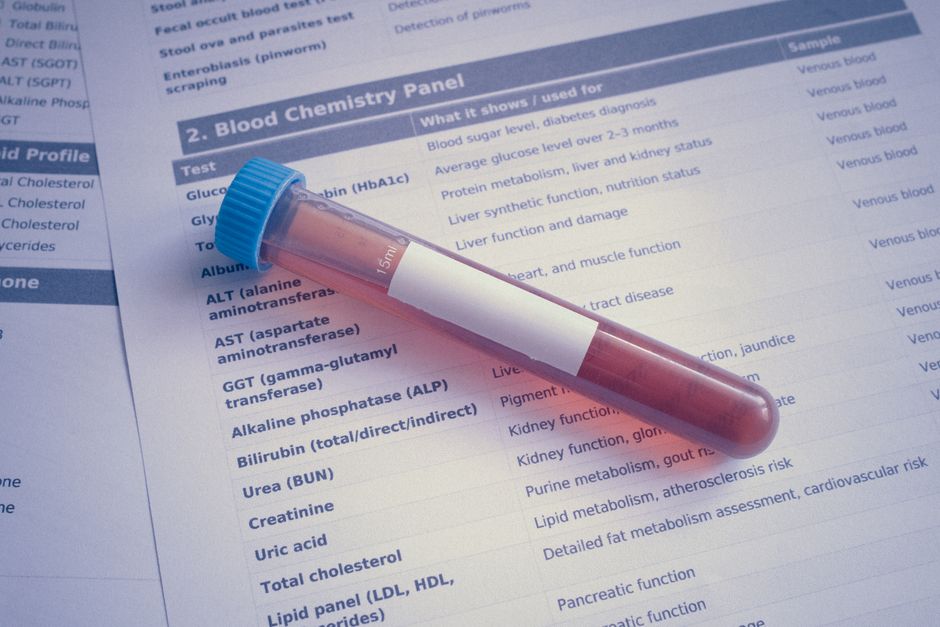
Feeling tired, dizzy, or lightheaded can send people searching for answers. Low blood count and low blood pressure are two different problems, but they can produce overlapping symptoms and sometimes share an underlying cause. Low blood count usually means low hemoglobin or too few red blood cells, which reduces oxygen delivery to tissues. Low blood pressure means the force of blood against artery walls has dropped below what keeps organs well supplied. The reasons behind each are distinct, and telling them apart matters for getting the right care.
What Is the Difference Between Low Blood Count and Low Blood Pressure?
These are separate measurements that reflect different systems in the body. A low blood count is a problem with the blood’s contents. Low blood pressure is a problem with the force of blood flow.
Blood count refers to the number and quality of cells in your blood. The most common concern is low hemoglobin, the protein in red blood cells that carries oxygen. When hemoglobin drops, tissues get less oxygen. This is called anemia.
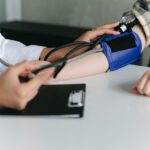
Blood pressure is the force your blood exerts against artery walls. A reading below 90/60 mmHg is generally considered low. Some people live at that level with no symptoms at all. For others, it causes dizziness, fainting, or fatigue.
You can have one without the other. A person can be anemic with perfectly normal blood pressure. A person can have low blood pressure with a completely normal blood count. They overlap when something is causing both at once, such as significant blood loss.
What Causes Low Blood Count Or Blood Pressure? The Reason
Blood loss is the single most common reason both conditions appear together. When you lose blood, you lose red blood cells and the fluid volume that maintains pressure. That is why heavy bleeding can drop both your count and your pressure at the same time.
But each condition also has its own separate causes. Low blood count most often comes from three broad problems:
- Not making enough red blood cells. This can happen from iron deficiency, vitamin B12 or folate deficiency, kidney disease, or bone marrow problems.
- Losing red blood cells. This includes heavy menstrual bleeding, bleeding in the digestive tract, or surgery.
- Destroying red blood cells too fast. This can happen from certain inherited conditions, infections, or immune disorders.
Low blood pressure has its own set of causes. Dehydration is one of the most common. So is prolonged bed rest, certain medications, heart problems, endocrine disorders, and severe infection. Some people simply have a low baseline that is normal for them.
Iron deficiency is the most common cause of anemia worldwide, according to the World Health Organization. It is especially common in menstruating women and in people with digestive conditions that reduce iron absorption.
How Does Blood Loss Drop Both Numbers?
Blood loss reduces both the number of red blood cells and the volume of fluid in your vessels. Fewer red blood cells means a lower count. Less fluid volume means less pressure against artery walls.
This is why acute bleeding is a medical emergency. The body can compensate for a while by narrowing blood vessels and speeding up the heart. But those mechanisms have limits.
Chronic, slow blood loss works differently. A bleeding ulcer or heavy periods can slowly drain iron and red blood cells over weeks. Blood pressure may stay normal because the body adjusts. The blood count, however, gradually falls. This is why chronic anemia can develop without obvious low blood pressure.
One detail worth knowing: blood pressure can look normal right after significant bleeding, then drop later. The body’s early compensation can mask the problem. This is one reason bleeding is monitored carefully in clinical settings.

What Symptoms Suggest Low Blood Count or Low Blood Pressure?
The symptoms overlap enough that people often confuse the two. Fatigue and dizziness appear in both. But some signs point more clearly to one than the other.
Low blood count tends to cause:
- Pale skin, lips, or nail beds
- Shortness of breath with mild activity
- Cold hands and feet
- Fast or irregular heartbeat
- Headache and difficulty concentrating
Low blood pressure tends to cause:
- Dizziness or lightheadedness when standing up
- Fainting
- Blurred or fading vision
- Nausea
- Confusion or trouble focusing
Fatigue shows up in both, which is why it is a poor clue on its own. The pattern matters more. Dizziness that hits when you stand up points toward blood pressure. Shortness of breath with activity points more toward a low count.
When Should You Take These Symptoms Seriously?
Sudden symptoms need urgent attention. Chest pain, fainting, confusion, rapid breathing, or heavy bleeding are emergency signs. So is a blood pressure reading that drops suddenly along with a fast heart rate.
Slow-developing symptoms still deserve a medical visit. Ongoing fatigue, unexplained paleness, or repeated dizziness should be checked. A simple blood test can measure hemoglobin and related values. A blood pressure check takes a minute.
Do not try to diagnose yourself from symptoms alone. The overlap is real, and the causes range from mild to serious. A clinician can sort out which system is involved and why.
How Are These Conditions Evaluated?
Evaluation starts with basic measurements. A complete blood count shows hemoglobin, red blood cell numbers, and cell size. Blood pressure is measured directly. Together these tell a clinician whether one or both problems are present.
If anemia is found, the next step is usually figuring out why. That may include iron studies, vitamin B12 and folate levels, kidney function tests, or tests for hidden bleeding. The direction of the workup depends on the person’s history and risk factors.
For low blood pressure, evaluation focuses on hydration, medications, heart function, and endocrine causes. Sometimes the answer is simple, like a medication side effect. Sometimes it requires more testing.
No single test explains both conditions at once unless blood loss is involved. That is why a clinician often looks at the two problems separately even when they appear together.
What Treatments Are Used?
Treatment depends entirely on the cause, not the symptom. This is the part where self-treatment can go wrong.
For iron deficiency anemia, clinicians commonly recommend iron supplementation, sometimes with vitamin C to improve absorption. Dietary iron from meat, beans, and fortified cereals helps but often is not enough on its own when deficiency is significant. The evidence for oral iron in iron deficiency anemia is well established. The evidence for treating anemia without confirming a cause is not.
For low blood pressure, treatment may include increasing fluid and salt intake, adjusting medications, or wearing compression stockings. Some clinicians recommend these approaches, though the strength of evidence varies by cause. Certain people, especially those with heart or kidney conditions, should not increase salt without medical guidance.
If blood loss is the cause, stopping the bleeding is the priority. That may mean treating an ulcer, addressing heavy periods, or, in severe cases, transfusion.
No single treatment fixes both problems unless the underlying cause is shared. Taking iron for low blood pressure, for example, does nothing. Taking salt for anemia does nothing either.
Can You Prevent These Conditions?
Some causes are preventable. Others are not. This distinction matters because prevention advice only works when it targets a real risk.
Eating enough iron-rich foods can lower the risk of iron deficiency anemia for some people. So can treating heavy periods and getting regular checkups if you have a digestive condition that affects absorption. For low blood pressure, staying hydrated and rising slowly from sitting or lying positions can reduce symptoms in people prone to them.
But many causes cannot be prevented. Inherited blood disorders, kidney disease, and some endocrine conditions are not within a person’s control. The goal is not to prevent everything. It is to catch problems early when they do occur.
One point worth making clearly: routine screening for anemia in people without symptoms is not universally recommended. Guidelines vary, and the decision often depends on individual risk factors. This is a conversation to have with a clinician, not a decision to make from a general article.
Frequently Asked Questions
Can low blood count cause low blood pressure?
Yes, when the cause is significant blood loss. Losing blood reduces both red blood cells and fluid volume, which can drop the count and the pressure together.
What is the most common cause of low blood count?
Iron deficiency is the most common cause of anemia worldwide, according to the World Health Organization. It is especially common in menstruating women and people with digestive conditions that reduce iron absorption.
Does low blood pressure always mean something is wrong?
No. A reading below 90/60 mmHg can be normal for some people, especially those who are young, fit, or naturally have a low baseline. It only matters when it causes symptoms or reflects a new problem.
When should I see a doctor for these symptoms?
See a doctor for ongoing fatigue, dizziness, or unexplained paleness. Seek emergency care for chest pain, fainting, confusion, rapid breathing, or heavy bleeding.
