

A blood sugar reading of 77 mg/dL is within the normal fasting range for most adults without diabetes. Standard clinical reference ranges define normal fasting blood glucose as roughly 70 to 99 mg/dL, so 77 falls comfortably inside that window. For a person with diabetes, however, the answer depends on context — including medications, symptoms, and timing relative to meals.
Is 77 Low Blood Sugar Or Within Normal Range?
For an adult without diabetes, a fasting blood glucose of 77 mg/dL is normal. It sits in the lower half of the standard 70–99 mg/dL fasting range but is not classified as hypoglycemia.
Hypoglycemia in adults without diabetes is generally defined as blood glucose below 70 mg/dL. Some clinical guidelines use 55 mg/dL as the threshold for clinically significant hypoglycemia, particularly when it is accompanied by symptoms. A reading of 77 does not meet either criterion.
The picture changes for people with diabetes who take insulin or certain oral medications. In that group, a reading below 70 mg/dL is typically treated as hypoglycemia, and some clinicians advise staying above 80 or even 90 mg/dL depending on the person’s situation. A 77 in someone using insulin could be considered low-normal or approaching low, even if it does not technically meet the hypoglycemia threshold. This is a clinical judgment call, not a fixed rule.
Context matters more than the number alone. A reading of 77 after a long fast, after exercise, or during the night is common and usually not a concern. The same number in someone who feels shaky, sweaty, or confused deserves attention regardless of the label.
What Counts As Normal Blood Sugar?
Normal blood sugar ranges vary depending on when the test is taken and whether the person has eaten.
Fasting glucose — measured after at least 8 hours without food — is generally considered normal between 70 and 99 mg/dL. A fasting reading of 100 to 125 mg/dL is classified as prediabetes. A fasting reading of 126 mg/dL or higher on two separate occasions meets the criteria for diabetes.
After meals, blood sugar rises. A reading taken two hours after eating is generally considered normal below 140 mg/dL. Between 140 and 199 mg/dL falls into the prediabetes range. At 200 mg/dL or above, with symptoms, diabetes can be diagnosed.
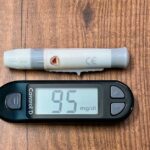
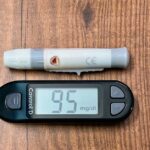
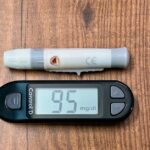
These thresholds come from widely used clinical standards, including those from the American Diabetes Association. They apply to adults and are based on venous blood draws. Home glucose meters can give slightly different numbers due to calibration and technique.
Random glucose checks — taken at any time without regard to meals — are harder to interpret. A random reading of 77 is generally fine for someone without diabetes, but it tells you less than a fasting test or an A1C.
When Is 77 mg/dL Considered Low?
A reading of 77 mg/dL is considered low only in specific situations. For most healthy adults, it is not.
In people with diabetes who use insulin or medications that can cause hypoglycemia — such as sulfonylureas — the threshold for concern is typically below 70 mg/dL. Some organizations and clinicians recommend a higher target for certain people, including older adults, those with heart disease, or anyone who has trouble recognizing low blood sugar symptoms. For those individuals, a reading in the 70s might prompt action.
There is also a condition called reactive hypoglycemia, where blood sugar drops after a meal. It is uncommon and not well understood. In some cases, readings in the 70s after eating may be associated with symptoms, but the evidence for how often this happens and what causes it is limited.
Pregnancy is another situation where thresholds differ. In pregnant women, blood sugar targets are often tighter, and what counts as low may be defined differently by the treating clinician. No universal cutoff for hypoglycemia in pregnancy applies to all women.
For a person without diabetes who is not taking glucose-lowering medication, a reading of 77 is not low by any standard definition.

What Are The Symptoms Of Low Blood Sugar?
Symptoms of low blood sugar usually appear when glucose drops below 70 mg/dL, though this varies. Some people feel symptoms at higher levels, and some feel nothing until glucose is quite low.
Common symptoms include:
- Shakiness or trembling
- Sweating, often sudden
- Rapid heartbeat
- Hunger
- Irritability or anxiety
- Dizziness or lightheadedness
- Difficulty concentrating
- Pale skin
More severe symptoms — confusion, slurred speech, blurred vision, seizures, or loss of consciousness — indicate a medical emergency. These typically occur at much lower glucose levels, often below 54 mg/dL, but can happen at higher levels in people whose bodies have adapted to chronic high blood sugar.
At 77 mg/dL, most people without diabetes would feel completely normal. Someone with diabetes who normally runs higher might feel mild symptoms at 77 because their body is not used to being in that range. This is sometimes called a “relative” low — the number is not objectively low, but it feels low to that person.
If you feel symptoms at 77, the symptoms are real. The number alone does not tell the whole story.
What Causes Blood Sugar To Drop To 77?
Blood sugar fluctuates throughout the day in everyone. A reading of 77 is often just a normal variation.
Fasting, prolonged exercise, and the time of day all affect glucose levels. Early morning readings tend to be lower. After an overnight fast, glucose often sits in the 70s or 80s for healthy adults. This is normal physiology, not a problem.
In people with diabetes, a reading of 77 can result from:
- Too much insulin relative to food intake
- Skipping or delaying a meal
- Unplanned physical activity without adjusting medication
- Drinking alcohol, which can suppress glucose production by the liver
- Certain medications beyond diabetes drugs
Alcohol deserves special mention. It can lower blood sugar for hours after drinking, especially if consumed without food. In people with diabetes, this can lead to delayed hypoglycemia, sometimes overnight. A reading of 77 after drinking might be a signal to monitor more closely.
For people without diabetes, the causes of a reading in the 70s are usually benign: fasting, exercise, or simply normal variation. A single reading of 77 is not a cause for concern. A pattern of readings in the 60s or below, especially with symptoms, warrants a medical evaluation.
Should You Treat A Blood Sugar Of 77?
Treatment depends entirely on who you are and what your situation is.
If you have diabetes and take insulin or a medication that can cause lows, a reading of 77 may or may not need treatment. Many clinicians advise treating anything below 70 mg/dL with fast-acting carbohydrates — typically 15 grams, such as 4 ounces of juice or 4 glucose tablets — then rechecking after 15 minutes. For readings in the 70s, some clinicians suggest eating a small snack if a meal is more than an hour away. Others say no treatment is needed if you feel fine.
If you do not have diabetes and are not taking glucose-lowering medication, a reading of 77 does not require treatment. Eating a snack will raise your blood sugar, but there is no medical need to do so.
If you have diabetes and a reading of 77 comes with symptoms, treat the symptoms. Do not wait for the number to drop further. The rule “treat the patient, not the number” applies here.
If you are unsure whether your medication can cause low blood sugar, check with your pharmacist or doctor. Not all diabetes medications carry this risk. Metformin, for example, does not typically cause hypoglycemia on its own.
When Should You See A Doctor?
A single reading of 77 mg/dL is not a reason to see a doctor for most people. But certain patterns and situations deserve medical attention.
Talk to your doctor if:
- You have repeated readings below 70 mg/dL
- You have symptoms of low blood sugar that occur regularly
- You have diabetes and your readings are unpredictable
- You have had a severe low, especially one requiring help from someone else
- You are pregnant and have concerns about your blood sugar
- You take medication and are unsure whether it can cause low blood sugar
Bring your glucose log or meter data to the appointment. Patterns matter more than single readings. A doctor can look at the timing, the relationship to meals and medication, and your symptoms to decide whether anything needs to change.
If you have symptoms of severe hypoglycemia — confusion, inability to swallow, seizure, or loss of consciousness — this is an emergency. Call 911. Do not try to treat it yourself.
Frequently Asked Questions
Is 77 blood sugar too low?
For most adults without diabetes, 77 mg/dL is not too low. It falls within the normal fasting range of 70–99 mg/dL. For someone with diabetes who takes insulin, it may be considered low-normal and worth monitoring.
What is a dangerously low blood sugar level?
Blood sugar below 54 mg/dL is generally considered clinically significant hypoglycemia and requires immediate treatment. Below 70 mg/dL is the standard threshold for hypoglycemia in people with diabetes.
Can blood sugar be 77 without diabetes?
Yes. A fasting blood sugar of 77 mg/dL is normal for someone without diabetes. It commonly occurs after overnight fasting or following exercise.
Should I eat if my blood sugar is 77?
If you do not have diabetes and feel fine, no. If you have diabetes and take glucose-lowering medication, follow your care plan — some clinicians recommend a small snack at this level if a meal is not coming soon.
