
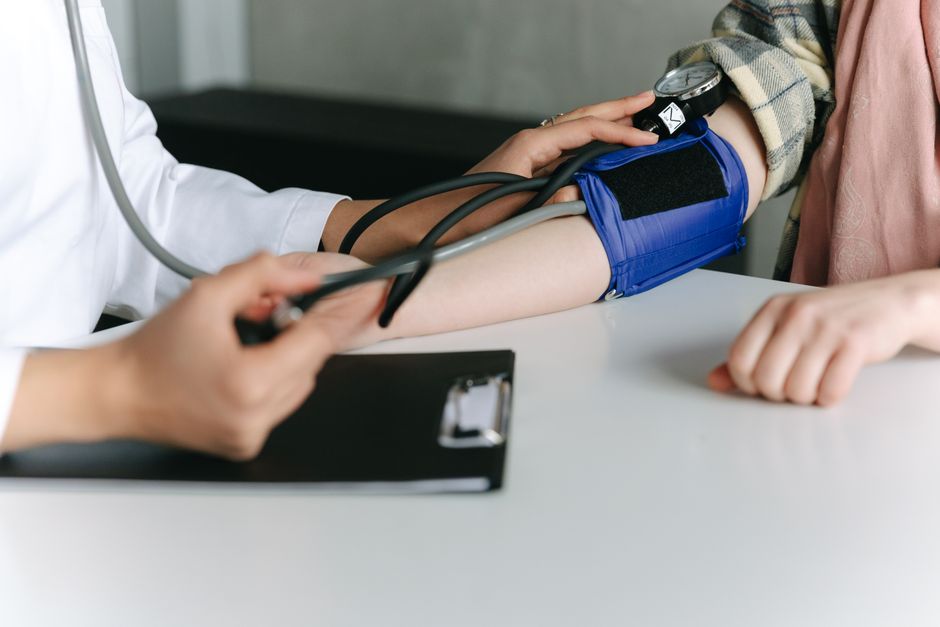
A blood pressure reading of 137/83 mmHg falls into the elevated range, but it is not a hypertensive crisis. The top number (systolic) of 137 is classified as Stage 1 hypertension, while the bottom number (diastolic) of 83 is still within the normal range. This specific combination is common, and it means your blood pressure is higher than ideal, but it is not dangerously high yet. The most important thing is that this single reading is not a diagnosis—it is a signal to pay attention and take action.
What Do the Numbers 137 and 83 Actually Mean?
Blood pressure is measured in millimeters of mercury (mmHg) and recorded as two numbers. The top number, systolic pressure, measures the force against your artery walls when your heart beats. The bottom number, diastolic pressure, measures the force between beats when your heart rests.
A reading of 137 systolic is above the normal threshold of 120. A diastolic reading of 83 is above the ideal of 80 but still below 90, which is where Stage 1 hypertension begins for that number.
When the systolic and diastolic numbers fall into different categories, medical guidelines use the higher category to classify the overall reading. That is why 137/83 is considered Stage 1 hypertension rather than simply elevated blood pressure.
Is 137 83 High Blood Pressure Or Just Elevated?
Based on the current clinical guidelines, 137/83 is classified as Stage 1 hypertension. This is a formal medical diagnosis category, not just a warning zone.
The American College of Cardiology and the American Heart Association define normal blood pressure as less than 120/80. Elevated blood pressure is 120-129 systolic with a diastolic under 80. Stage 1 hypertension begins at 130 systolic or 80-89 diastolic.
Because your systolic number is 137, you cross the threshold into Stage 1. This does not mean you need medication immediately, but it does mean your blood pressure is no longer considered optimal. It is a clear indicator that lifestyle factors and monitoring should become a priority.
Why a Single Reading Is Not a Diagnosis
Blood pressure fluctuates naturally throughout the day. Stress, caffeine, physical activity, and even the act of sitting in a doctor’s office can raise your numbers temporarily. This is why a single reading of 137/83 should not be treated as a confirmed diagnosis of hypertension.
To confirm a diagnosis, healthcare providers typically look for consistently elevated readings over time. This usually means taking multiple measurements on different days, often at the same time of day. Home monitoring with a validated blood pressure cuff is a reliable way to track these trends.
White coat hypertension is a real phenomenon. Some people consistently show higher readings in a clinical setting than they do at home. Conversely, some people have normal clinic readings but elevated home readings, a condition called masked hypertension. Neither can be identified from a single office visit.
What Causes a Reading Like 137/83?
Several factors can push your blood pressure into this range. Age is a major one—arteries naturally stiffen over time, which raises systolic pressure. This is why isolated systolic hypertension becomes more common after age 50.
Diet plays a direct role. High sodium intake causes the body to retain fluid, which increases blood volume and raises pressure. The average American consumes far more sodium than the recommended limit of 2,300 mg per day, with many exceeding 3,400 mg.
Other contributors include excess body weight, physical inactivity, heavy alcohol use, and chronic stress. Genetics also matter. If your parents had hypertension, your risk is higher regardless of your lifestyle choices.
Certain medications can also raise blood pressure. These include nonsteroidal anti-inflammatory drugs (NSAIDs) like ibuprofen, some decongestants, oral contraceptives, and certain antidepressants. If you take any of these regularly, they may be contributing to your numbers.
What Are the Real Risks at This Level?
The risk at 137/83 is not immediate danger—it is long-term wear and tear. Sustained pressure at this level forces your heart to work harder than it should. Over years, this can damage artery walls, making them more prone to plaque buildup, which increases the risk of heart attack and stroke.
Research consistently shows that blood pressure above 130 systolic carries increased cardiovascular risk compared to readings below 120. The relationship between blood pressure and cardiovascular events is continuous—there is no safe cliff edge, but risk climbs steadily as numbers rise.
Kidney damage is another concern. The kidneys filter blood through delicate vessels that are sensitive to pressure. Chronically elevated blood pressure can impair kidney function over time, potentially leading to chronic kidney disease.
It is important to note that these risks develop over years or decades, not weeks or months. A reading of 137/83 today does not mean damage is occurring right now. It means the trajectory needs correction.
Lifestyle Changes That Can Bring Numbers Down
For Stage 1 hypertension without other major risk factors, lifestyle modification is the first-line approach. Many people can lower their blood pressure significantly without medication.
Reducing sodium is one of the most effective changes. The DASH diet, which emphasizes fruits, vegetables, whole grains, and low-fat dairy while limiting sodium and saturated fat, has been shown in clinical trials to lower systolic blood pressure by up to 11 mmHg in some individuals. Even a modest reduction in sodium can produce measurable improvements.
Regular aerobic exercise is equally important. Walking, cycling, swimming, or jogging for at least 150 minutes per week at moderate intensity can lower systolic blood pressure by 5-8 mmHg. Consistency matters more than intensity.
Weight loss has a direct effect. For every kilogram (about 2.2 pounds) of weight lost, systolic blood pressure drops by approximately 1 mmHg. If you are overweight, losing even 5-10% of your body weight can produce meaningful reductions.
Limiting alcohol to no more than two drinks per day for men and one for women also helps. Excessive alcohol consumption is a direct and reversible cause of elevated blood pressure.
When Medication May Be Necessary
Medication is not automatically required for a reading of 137/83. Current guidelines suggest that people in this range without other cardiovascular risk factors—such as diabetes, kidney disease, or a history of heart attack—may try lifestyle changes first.
However, if you have diabetes, chronic kidney disease, or a high calculated cardiovascular risk score, your doctor may recommend starting medication even at this level. The decision is individualized and based on your overall risk profile, not just the numbers.
If lifestyle changes do not lower your blood pressure within three to six months, medication may be added. Many people require more than one medication to reach target levels, and that is normal. The goal is typically to get below 130/80, though individual targets vary based on age and health status.
Never stop or adjust blood pressure medication on your own. These drugs have specific mechanisms and side effect profiles. Any changes should be discussed with your healthcare provider.
How to Monitor Your Blood Pressure at Home
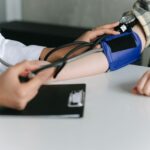
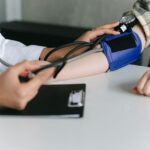
Home monitoring gives you a clearer picture than occasional office readings. To get accurate results, sit quietly for five minutes before measuring. Place the cuff on a bare arm, supported at heart level. Do not talk during the measurement.
Take readings twice a day—once in the morning before food or medication, and once in the evening. Record every reading and bring the log to your appointments. A validated automatic upper-arm monitor is more accurate than wrist or finger devices.
If your home readings are consistently below 130/80 while office readings are higher, you may have white coat hypertension. If the reverse is true, you may have masked hypertension. Both patterns require discussion with your doctor.
Frequently Asked Questions
Is 137/83 dangerous right now?
No, 137/83 does not pose immediate danger. The risk is long-term, developing over years of sustained elevation, not days or weeks.
Can I lower 137/83 without medication?
Yes, many people can lower readings at this level through diet, exercise, weight loss, and reducing alcohol and sodium. Your doctor can help determine if lifestyle changes alone are sufficient.
How often should I check my blood pressure?
If you have a reading of 137/83, check your blood pressure at home twice daily for at least one week to establish a pattern. Bring those readings to your next medical appointment.
Does 137/83 mean I will have a heart attack?
No, this reading does not predict an imminent heart attack. It does indicate elevated risk over time if left untreated, which is why monitoring and lifestyle changes matter now.
