
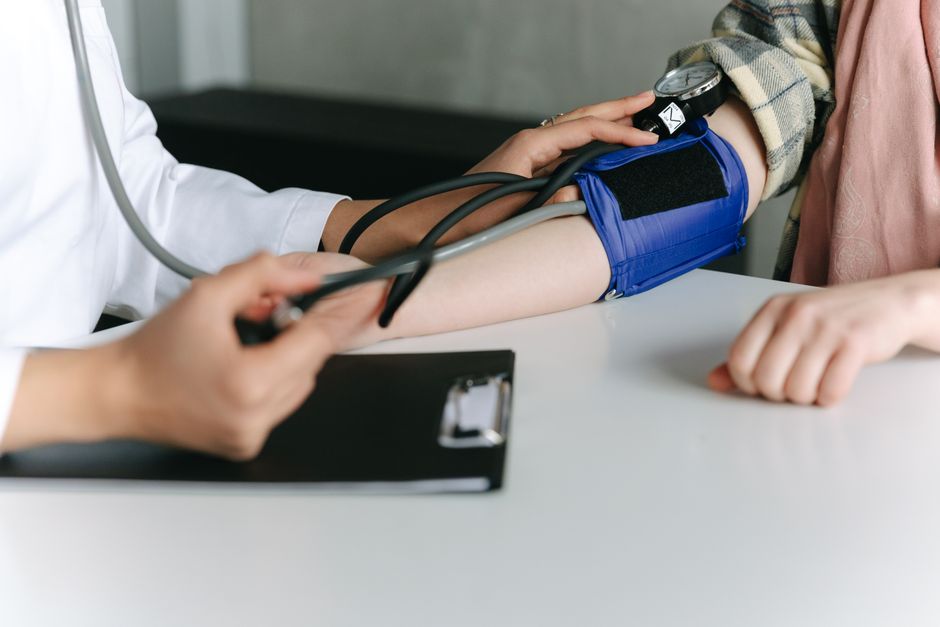
High blood pressure during pregnancy is one of the most common complications expectant mothers face, and the steps that lower your risk are well established. Go to every prenatal visit, because blood pressure problems often cause no symptoms at all. Follow your doctor’s guidance on weight, activity, and nutrition, and never stop or start a medication without talking to your care team first.
That short list covers most of what medical guidance actually supports. The rest of this article explains why blood pressure changes during pregnancy, who is at higher risk, what the evidence says about prevention, and what to do if something seems off.
Why Does Blood Pressure Change During Pregnancy?
Pregnancy rewrites how your circulatory system works. Blood volume increases substantially, the heart pumps more blood each minute, and the body builds a new organ — the placenta — that depends entirely on maternal blood flow. To accommodate all of this, blood vessels normally relax. That is why blood pressure often dips slightly during the second trimester in healthy pregnancies.
Preeclampsia is different. In this condition, the blood vessels stop relaxing the way they should, and blood pressure rises. The precise cause is not fully understood, but research points to abnormal development of the placental blood vessels early in pregnancy. When the placenta does not receive adequate blood flow, it releases substances into the mother’s bloodstream that damage blood vessel linings and trigger widespread narrowing. Blood pressure climbs, and other organs — kidneys, liver, brain — can be affected.
This matters for prevention because the process appears to begin well before symptoms show. By the time a reading is high, the underlying problem has often been developing for weeks. That is why early and consistent prenatal care is not a formality. It is the main tool for catching a problem while it can still be managed.
Two conditions are worth distinguishing. Chronic hypertension means high blood pressure that existed before pregnancy or is diagnosed before 20 weeks. Gestational hypertension means high blood pressure that develops after 20 weeks without other organ involvement. Preeclampsia is high blood pressure after 20 weeks plus signs that other organs are affected, such as protein in the urine or abnormal lab results. The distinction matters because each carries different risks and different management.
Who Is at Higher Risk?
Some risk factors cannot be changed, and knowing them helps you and your doctor decide how closely to monitor. Others can be modified, and those are where prevention efforts have the most value.
Risk factors that are not modifiable include:
- A previous pregnancy with preeclampsia or gestational hypertension
- Chronic high blood pressure, kidney disease, or certain autoimmune conditions such as lupus
- Type 1 or type 2 diabetes
- Family history of preeclampsia
- Age 35 or older at delivery
- First pregnancy with a current partner
- Carrying twins or more
Risk factors that can be influenced include excess body weight before pregnancy, poor nutrition, smoking, and certain medication exposures. Obesity before pregnancy is one of the strongest modifiable risk factors. Smoking raises risk and also harms fetal development in other ways. These are not judgments — they are points where change is possible.
Some risk factors are more strongly linked to preeclampsia than others. A prior affected pregnancy and chronic hypertension are among the strongest. If you have one or more of these, your doctor may recommend low-dose aspirin, which is discussed below.
What Actually Helps Prevent High Blood Pressure During Pregnancy?
No single action guarantees normal blood pressure. What follows is what the evidence supports, ranked roughly by how strong that evidence is.
Prenatal Care and Monitoring
Blood pressure is checked at nearly every prenatal visit for a reason. It is the simplest way to detect a rising trend before it becomes a crisis. Home blood pressure monitoring is not a substitute for clinical visits, but for some women with chronic hypertension, a doctor may recommend it between visits. Use a validated upper-arm cuff, not a wrist device, and bring your log to appointments.
Low-Dose Aspirin for Higher-Risk Pregnancies
For women at elevated risk of preeclampsia, low-dose aspirin is the most established preventive measure. Major obstetric guidelines in the United States recommend it for women with specific risk profiles, typically starting in the late first trimester or early second trimester. The exact dose and timing should come from your doctor, not from a general article.
This is a case where the evidence is genuinely strong. Large trials and systematic reviews have found that low-dose aspirin reduces the risk of preterm preeclampsia in higher-risk women. It does not eliminate risk, and it is not recommended for everyone. Do not start aspirin on your own during pregnancy — bleeding risks and timing matter.
Nutrition and Diet Patterns
There is no single food that prevents preeclampsia. Claims about specific “blood pressure foods” during pregnancy are mostly unsupported. What the evidence does support is a balanced diet that meets pregnancy needs.
Adequate calcium intake is one area with real evidence. The World Health Organization recommends calcium supplementation for pregnant women in populations with low dietary calcium intake, because trials in those settings showed reduced risk of preeclampsia. If you eat dairy, fortified plant milks, leafy greens, and other calcium sources, you likely get enough. If you do not, ask your doctor whether a supplement is appropriate for you. Recommended calcium intake during pregnancy is generally 1,000 mg per day for adults, though this can vary by age.
Protein, iron, folate, and other nutrients matter for a healthy pregnancy, but none of them has been shown to prevent high blood pressure on its own. Be cautious of any product marketed specifically to prevent preeclampsia. No supplement has been proven to do that in well-nourished women.
Physical Activity
Regular moderate activity during an uncomplicated pregnancy is recommended by obstetric guidelines and is generally safe for both mother and baby. Whether exercise specifically prevents preeclampsia is less clear — the evidence is mixed. Some studies suggest a modest benefit, while others show little effect. What is well established is that activity supports healthy weight, blood sugar control, and overall cardiovascular health.
If you were active before pregnancy, you can usually continue with modifications. If you were not, walking is a reasonable starting point. Always clear exercise plans with your doctor, especially if you have any pregnancy complications.
Weight and Weight Gain
Starting pregnancy at a healthy weight is associated with lower risk of hypertensive disorders. Recommended weight gain during pregnancy depends on your pre-pregnancy body mass index (BMI). For a woman with a BMI in the normal range, the general recommendation is roughly 25 to 35 pounds. For higher BMI categories, the recommended range is lower. Your doctor can give you a target based on your specific situation.
Losing weight during pregnancy is not recommended. If you are already pregnant, the goal is appropriate weight gain, not weight loss.
What Does Not Work
Several widely promoted approaches have not held up. Reducing salt intake has not been shown to prevent preeclampsia in studies, though very high sodium intake is generally not ideal for other reasons. Bed rest was once commonly prescribed but is no longer recommended because it does not prevent preeclampsia and increases the risk of blood clots. Vitamin C and E supplements were studied specifically for preeclampsia prevention and did not work — in fact, high doses raised concerns about harm.

What About Women With Existing High Blood Pressure?
If you already have chronic hypertension, prevention looks different. The goal is to control your blood pressure before and during pregnancy to reduce risks to you and the baby.
Some blood pressure medications are safe in pregnancy and some are not. ACE inhibitors and angiotensin receptor blockers (ARBs) are generally avoided during pregnancy because they can harm the developing fetus. Other classes, such as certain beta-blockers, calcium channel blockers, and labetalol, are commonly used. Your doctor will choose based on your specific situation.
Do not stop a medication on your own if you become pregnant or are trying to conceive. Call your doctor. Untreated high blood pressure carries its own serious risks, including stroke, and abrupt medication changes can be dangerous.
If you are planning a pregnancy and have high blood pressure, the ideal time to review your medications is before you conceive. A pre-pregnancy visit lets your doctor switch you to a safer option if needed and address other risk factors while there is time.
When Should You Call Your Doctor?
Preeclampsia can progress quickly, and some warning signs need same-day attention. Call your doctor or go to the emergency department if you experience:
- A severe headache that will not go away
- Vision changes, such as blurring, flashing lights, or spots
- Pain in the upper right abdomen or under the ribs
- Sudden swelling of the face, hands, or feet
- Shortness of breath or chest pain
- Nausea or vomiting that is new and severe after mid-pregnancy
Do not wait for a scheduled appointment if any of these occur. Preeclampsia is one of the leading causes of maternal death worldwide, and early recognition saves lives. Most cases are manageable when caught in time.
Can High Blood Pressure During Pregnancy Be Prevented Completely?
Not always. Some women do everything right and still develop preeclampsia. This is not a failure of effort — the condition has genetic and placental components that are not fully controllable.
What prevention does is reduce risk and improve outcomes. Regular monitoring catches problems early. Low-dose aspirin lowers risk in higher-risk women. Good nutrition and appropriate activity support a healthier pregnancy overall. When preeclampsia does develop, early detection usually means better outcomes for both mother and baby.
Frequently Asked Questions
Can you prevent high blood pressure during pregnancy?
You cannot always prevent it, but you can lower your risk. Regular prenatal care, low-dose aspirin if your doctor recommends it, and healthy nutrition and activity are the main evidence-supported steps.
Does low-dose aspirin prevent preeclampsia?
In higher-risk women, low-dose aspirin has been shown to reduce the risk of preterm preeclampsia. It does not eliminate risk and should only be started if your doctor recommends it.
Should I reduce salt to prevent high blood pressure in pregnancy?
Reducing salt has not been shown to prevent preeclampsia in studies. It is not a recommended prevention strategy for this specific condition.
What foods help prevent high blood pressure during pregnancy?
No single food prevents preeclampsia. A balanced diet with adequate calcium is what the evidence supports, especially for women with low dietary calcium intake.
