
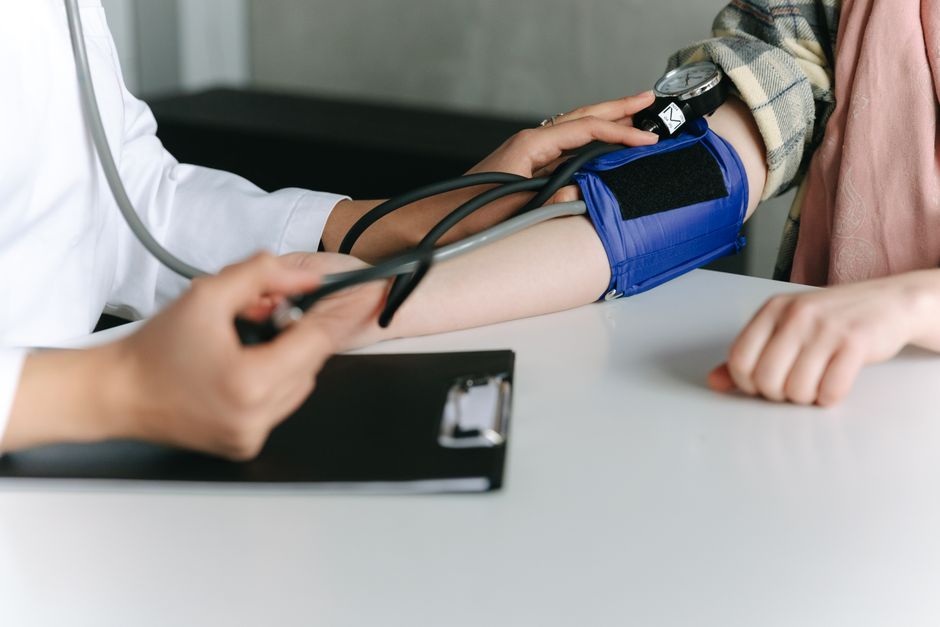
Your blood pressure can jump just because someone is about to measure it. That reaction is real, it has a name, and it can push a normal reading into a range that looks concerning. The good news is that a few simple steps in the minutes before the cuff goes on can reduce that effect.
Relaxing before a blood pressure test starts with sitting quietly for about five minutes, keeping both feet flat on the floor, and not talking during the measurement. Avoid caffeine, nicotine, and exercise for at least 30 minutes beforehand. These steps do not guarantee a perfect reading, but they remove common triggers that make numbers look higher than they really are.
Why Does Blood Pressure Rise at the Doctor’s Office?
White coat hypertension is a well-documented phenomenon. The setting itself — the office, the uniform, the anticipation of results — can trigger a temporary rise in blood pressure that does not reflect your usual readings at home.
The mechanism is straightforward. Your body releases stress hormones like adrenaline and cortisol when you feel anxious or alert. These hormones tighten blood vessels and increase heart rate. The result is a higher reading that may have nothing to do with your underlying cardiovascular health.
This is not a minor technicality. Research has found that a meaningful share of people diagnosed with high blood pressure based on office readings alone have normal readings when measured at home or with a 24-hour monitor. That is why clinical guidelines in the US and Europe now recommend confirming office readings with out-of-office measurements before making a diagnosis.
Some people have the opposite pattern — masked hypertension — where office readings look fine but home readings are elevated. Both patterns are why single readings in any setting are treated as one data point, not a verdict.
What Should You Avoid Before a Blood Pressure Test?
Several common habits can raise a reading for reasons that have nothing to do with your baseline blood pressure. Avoiding them for a short window before your appointment gives you a cleaner measurement.
- Caffeine — coffee, tea, energy drinks, and some sodas can raise blood pressure for up to several hours in some people. Skip them for at least 30 minutes before a reading, and longer if you are sensitive.
- Nicotine — smoking or vaping temporarily raises blood pressure and heart rate. Avoid it for at least 30 minutes before measurement.
- Exercise — a workout raises blood pressure during and shortly after activity. Wait at least 30 minutes after exercising before a reading.
- A full bladder — this is one of the most overlooked factors. A full bladder can raise a reading noticeably. Use the restroom first.
- Talking — even casual conversation during the measurement can push numbers up. Stay quiet while the cuff inflates.
- Alcohol — drinking within a few hours of a reading can affect results.
The 30-minute window is the general recommendation in clinical guidance. For caffeine and nicotine specifically, some people see effects for longer. If you know you are sensitive, give yourself more time.
How Do You Sit Correctly for an Accurate Reading?
Body position changes blood pressure readings more than most people realize. A reading taken with your arm hanging at your side or your back unsupported can be several points higher than one taken in the proper position.
Here is what the established technique looks like:
- Sit in a chair with your back supported and both feet flat on the floor. Do not cross your legs.
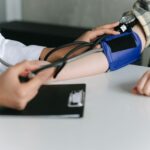
- Rest your arm on a flat surface so the cuff is at heart level. If your arm is below heart level, the reading tends to be higher.
- Roll up your sleeve or wear short sleeves so the cuff goes on bare skin. A cuff over clothing can affect accuracy.
- Keep your arm relaxed. Clenching your fist or tensing your muscles raises the reading.
- Sit quietly for about five minutes before the first measurement. This rest period is part of standard clinical protocol.
These are not tricks to get a lower number. They are the conditions under which a measurement is considered valid. A reading taken while slouched, talking, or with a full bladder is simply less reliable.
Can Breathing Exercises Lower Your Reading?
Slow, controlled breathing can reduce blood pressure in the moment, and the effect is measurable. The mechanism involves the autonomic nervous system — slow breathing shifts the body away from the stress response and toward a calmer state.
This is well established for short-term effects. What is less clear is whether breathing exercises produce lasting reductions in blood pressure when used regularly. Some studies suggest modest benefits with consistent practice, but the evidence is not strong enough to present it as a treatment. It is best understood as a useful tool for calming yourself before a measurement, not a therapy for hypertension.
If you want to try it before a test:
- Breathe in through your nose for about four seconds.
- Breathe out slowly through your mouth for about six seconds.
- Continue for a few minutes while you wait.
The exact counts matter less than the pattern — slow, steady, and comfortable. Holding your breath or forcing it will not help.
Does White Coat Hypertension Need Treatment?
White coat hypertension is not automatically harmless, and it is not automatically a problem. The clinical picture depends on what your out-of-office readings show.
If your home readings and any ambulatory monitoring are consistently normal, many clinicians will not start medication based on office numbers alone. Instead, they monitor over time. This approach reflects the fact that treating a number that only appears in the office can lead to unnecessary medication and its side effects.
However, some research suggests that people with white coat hypertension may have a slightly higher long-term risk of developing sustained high blood pressure compared to people with normal readings in all settings. That is why follow-up matters even when the initial picture looks reassuring.
The reverse situation — masked hypertension — is often missed because office readings look fine. If you have risk factors for high blood pressure but your office readings are normal, home monitoring can reveal a different picture. Some clinicians recommend home monitoring in these cases.
This is a decision that belongs with your clinician. The role of relaxation techniques is to make sure the office reading reflects your true resting state as closely as possible, not to change whether you need treatment.
What Else Can Affect Your Reading on Test Day?
Several factors beyond the ones already covered can shift a reading. Knowing them helps you interpret results more accurately.
- Time of day — blood pressure typically follows a daily pattern, often lower in the evening and higher in the morning. Comparing readings taken at different times is not always meaningful.
- Temperature — being cold can raise blood pressure. A chilly exam room can affect the number.
- Pain or discomfort — any source of pain raises blood pressure.
- Medications — some over-the-counter drugs, including certain decongestants and nonsteroidal anti-inflammatory drugs, can raise blood pressure. Tell your clinician what you take.
- Stress from other sources — a difficult day, an argument, or anxiety about something unrelated to the appointment can carry over into the reading.
One reading is a snapshot. Trends over time are what matter for diagnosis and monitoring. If a single reading is high, the appropriate response is usually to take more readings — at home, at different times, and under proper conditions — rather than to react to one number.
Should You Ask for a Second Reading?
Yes, and many clinical guidelines support it. Taking two or three readings a minute or two apart and averaging them gives a more reliable picture than a single measurement.
The first reading in any setting tends to be the highest. This is partly because the alerting response to the cuff itself has not yet faded. By the second or third reading, most people have settled. If the first reading is high, asking for a repeat after a short rest is a reasonable request.
Some offices do this automatically. If yours does not, you can ask. It is a standard part of good measurement technique, not a special favor.
Frequently Asked Questions
How long should you sit quietly before a blood pressure test?
Sit quietly for about five minutes before the first measurement. This rest period is part of standard clinical protocol and allows your body to settle from any recent activity.
Does drinking water before a blood pressure test help?
Staying normally hydrated is fine, but drinking a large amount of water right before a reading is not necessary and may make you need to urinate, which can raise your reading. A full bladder is a common cause of falsely high numbers.
Can anxiety alone cause a high blood pressure reading?
Yes. Anxiety triggers stress hormones that raise heart rate and tighten blood vessels, which can push a reading up temporarily. This pattern is called white coat hypertension when it happens in a medical setting.
Should you take your blood pressure medication before a test?
Take your medications as prescribed unless your clinician tells you otherwise. Do not skip a dose to get a lower reading, because that gives an inaccurate picture of your blood pressure on treatment.
